
In the grinding theater of eastern Ukraine, where the earth churns under the weight of artillery and ambition, Russian President Vladimir Putin declared on Friday that his forces had encircled the strategic city of Pokrovsk, a claim that Kyiv swiftly contested as Ukrainian troops mounted fierce resistance elsewhere along the front. The announcement, delivered with characteristic defiance amid reports of a potential US-brokered peace framework under President Donald Trump, underscored the precarious balance between battlefield momentum and diplomatic maneuvering as the Russia-Ukraine war entered its 1,373rd day.
Pokrovsk, a linchpin in Ukraine’s defensive architecture in Donetsk oblast, has become the focal point of Moscow’s autumn offensive. Putin, speaking to reporters after a government meeting, asserted that Russian troops had “surrounded” the city from three sides, severing key supply routes and positioning for a decisive push. “The Ukrainian group in Pokrovsk is in a difficult situation,” he said, echoing military bloggers who have amplified claims of encirclement. Yet Ukrainian Commander-in-Chief Oleksandr Syrskyi pushed back, stating in his evening update that defenses held firm, with reinforcements bolstering the flanks. Independent assessments from the Institute for the Study of War noted incremental Russian gains but no full envelopment, as Ukrainian drone strikes and artillery disrupted advances. ISW’s November 26 assessment detailed how Russian forces captured small villages like Shevchenko, inching closer to the E50 highway, but at staggering costs estimated in the hundreds daily.
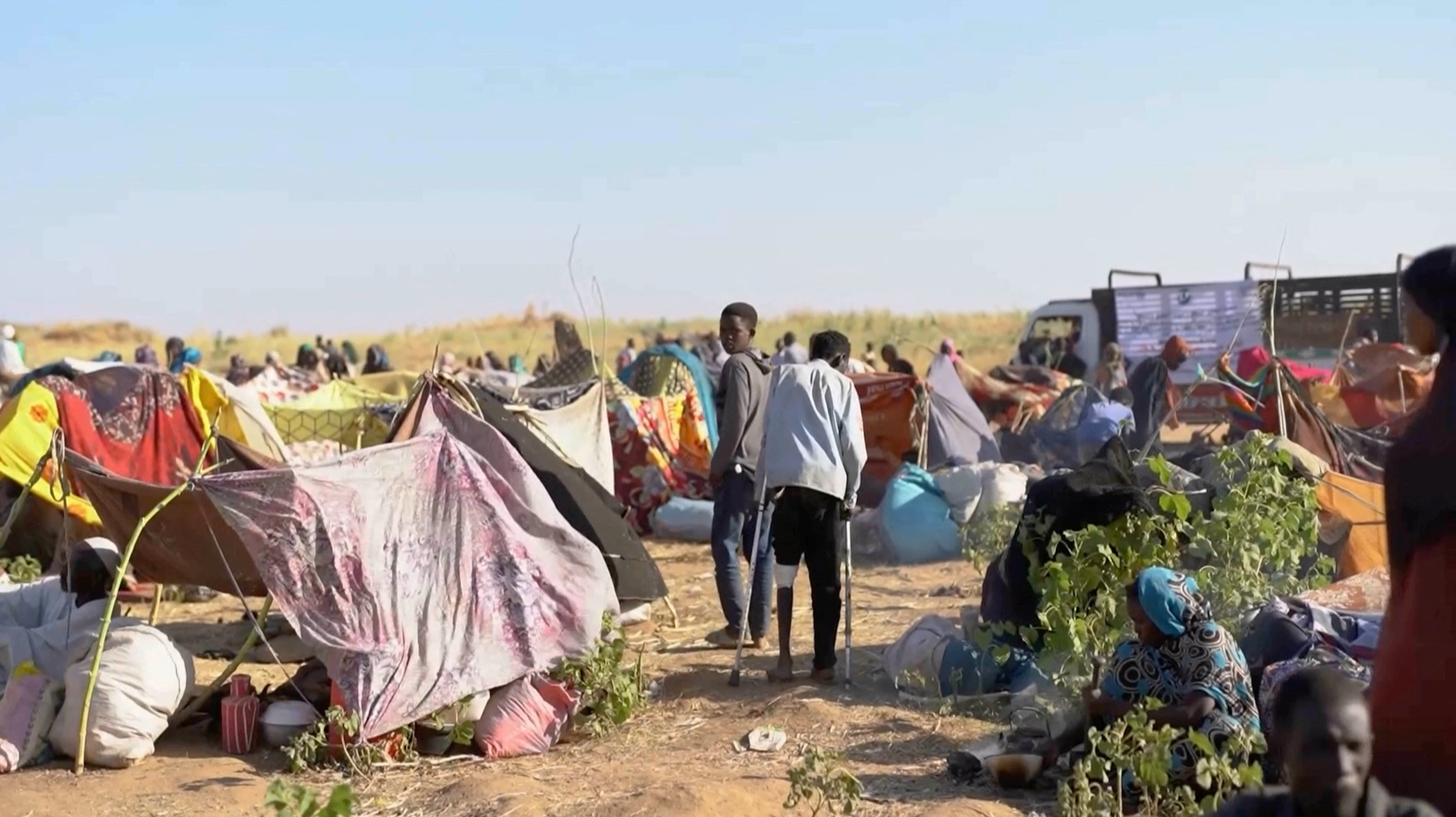
The battle for Pokrovsk is no abstract chess move; it is a saga of human endurance etched into the scarred landscape. Local residents, long habituated to air raid sirens, now face evacuation orders as Russian glide bombs rain down, pulverizing infrastructure. A teacher from the city’s outskirts, speaking anonymously to Reuters, described nights lit by explosions: “We sleep in basements, waiting for the next wave.” Ukraine’s 110th Mechanized Brigade, bloodied but unbowed, has leveraged US-supplied Abrams tanks and Javelin missiles to exact a toll, destroying over 20 Russian vehicles in a single day according to frontline reports. This attrition warfare mirrors the war’s broader dynamic: Russia grinds forward with superior manpower and munitions from North Korea and Iran, while Ukraine relies on precision and Western aid amid delays in Congress.
Shifting south to Zaporizhzhia, the front near Huliaipole erupted in parallel ferocity. Russian assault groups, probing for weaknesses, launched waves of infantry supported by T-90 tanks toward the village, only to be repelled by Ukrainian forces. The Kyiv Independent reported that a specialized Ukrainian unit halted the offensive, inflicting heavy casualties and capturing equipment. Huliaipole, a gateway to Melitopol, holds symbolic weight; its defense thwarts Russian dreams of bisecting the oblast. Satellite imagery from Maxar showed freshly dug trenches and burned-out hulks, testament to the seesaw combat. “We stopped them cold,” a Ukrainian drone operator told RBC-Ukraine, his words laced with exhaustion. This push aligns with Russia’s strategy to overextend Ukrainian lines, forcing resource dilution from Pokrovsk.
Amid the mud and metal, diplomatic undercurrents swirled. Putin nodded toward a purported US peace proposal, calling it a potential “basis” for talks if Kyiv cedes occupied territories. The plan, reportedly drafted by Trump’s team, envisions freezing frontlines with security guarantees, a bitter pill for Zelenskyy who views it as capitulation. In Geneva, Ukrainian diplomats clashed with counterparts over the framework, while in Pokrovsk, soldiers fought oblivious to headlines. US peace proposal skepticism is high in Kyiv, with officials doubting Moscow’s sincerity given intensified strikes. Trump’s reelection has accelerated these feelers, with envoys like Keith Kellogg shuttling messages, yet analysts warn of a trap: concessions without enforcement invite renewed aggression.
The war’s toll defies enumeration. Over a million casualties, millions displaced, and economies in freefall, Ukraine’s GDP shrunk 30% since 2022, Russia’s sanctioned but resilient. Energy infrastructure lies in ruins; blackouts plague winter preparations. Human Rights Watch documented escalated Russian strikes on civilians, including a Kharkiv hospital hit killing 12. Ukrainian partisans in occupied areas sabotage rail lines, delaying reinforcements. NATO pledges mount, Germany’s Leopard tanks, F-16s from Denmark, but training lags. Moscow replenishes via drones from Tehran and shells from Pyongyang, evading sanctions through shadow fleets.
Pokrovsk’s plight evokes Bakhmut’s 2023 agony, where Wagner’s meat grinder yielded Pyrrhic victory. Now, regular Russian units face elite Ukrainian brigades versed in urban defense. Thermal imaging reveals night assaults repulsed by cluster munitions, controversial yet effective. Evacuations accelerate: 10,000 civilians urged out, schools shuttered. Mayor Joseph Vashchenko broadcasts pleas for aid, his voice steady amid chaos. International monitors report minefields expanding, humanitarian corridors bombed.
In Zaporizhzhia, Huliaipole’s defenders draw from 2022’s Robotyne success, where counteroffensives reclaimed ground. FPV drones, cheap and lethal, decimate armor; one operator claimed 15 kills in 24 hours. Russian commanders rotate fresh Storm-Z units, penal battalions of convicts, sustaining pressure. Yet Ukrainian electronic warfare jams signals, blinding artillery. The front stabilizes temporarily, but fatigue gnaws: rotations scarce, morale tested.
Putin’s Pokrovsk boast coincides with Kursk incursion fallout, where Ukrainian raids embarrassed Moscow. Retaking territory cost Russia dearly, diverting 50,000 troops. Syrskyi’s November 27 briefing admitted “challenges” but highlighted strikes on Crimea bridges. Diplomatic isolation bites: BRICS summit snubbed peace pleas. Trump’s “end it fast” rhetoric pressures Zelenskyy, who seeks ironclad NATO path.
Winter looms, freezing trenches and testing resolve. Snow-swept fields favor defenders; drones falter in fog. Aid packages, $61 billion US, €50 billion EU, bolster stocks, but delays hurt. Russia’s economy overheats, inflation at 9%, yet war production surges: 3 million shells yearly. Ukraine innovates: sea drones sink Black Sea Fleet vessels, air defenses down Kinzhals.
Day 1373 encapsulates the war’s essence: Russian incrementalism versus Ukrainian resilience. Pokrovsk hangs by threads, Huliaipole holds the line. Peace whispers clash with thunderclaps. As frost bites, the world watches, aid trickles, and soldiers endure. The path forward? Murky as Donbas fog, paved by blood and bargain.