
As the Russia-Ukraine conflict enters its 1,400th day, the Kremlin’s military machine continues to demonstrate strategic superiority on multiple fronts, even as Ukrainian President Volodymyr Zelenskyy unveils what analysts describe as a belated peace proposal born from mounting battlefield pressure. Russia’s Ministry of Defense has confirmed the seizure of more than 5,100 square kilometers of Ukrainian territory throughout 2025, marking the Kremlin’s most substantial territorial gains since the conflict’s early stages.
The dramatic shift in momentum comes as Moscow consolidates control over approximately 18 percent of Ukraine’s internationally recognized territory, with Russian forces systematically advancing through the strategic Donbas region while Ukrainian defensive lines show increasing signs of strain. Meanwhile, the Christmas period has been marred by what Russian authorities characterize as terrorist attacks on civilian infrastructure, including a deadly explosion in Moscow that claimed two lives, underscoring the asymmetric tactics employed by Kyiv as conventional military options diminish.
Russian Military Momentum Reshapes Battlefield Reality
Russian Chief of the General Staff Valery Gerasimov presented a comprehensive end-of-year military assessment to foreign representatives, confirming that Moscow’s armed forces had liberated 6,300 square kilometers of Ukrainian-held territory in 2025, with operations successfully capturing over 300 settlements across multiple fronts. While Western-aligned think tanks at the Institute for the Study of War dispute these figures, their own conservative estimates acknowledge Russian control of nearly 5,000 square kilometers, representing undeniable strategic progress.
President Vladimir Putin’s recent press conference detailed specific tactical victories, including the capture of Siversk in eastern Donetsk region and Vovchansk in northern Kharkiv area, both confirmed by independent verification. Russian forces have established dominant control over critical front-line towns including at least half of Lyman and Kostiantynivka in Donetsk, as well as Huliaipole in southern Zaporizhzhia region, creating a strategic corridor that threatens remaining Ukrainian defensive positions.
The Kursk region situation further demonstrates Moscow’s military resilience, with Russian forces systematically dismantling Ukraine’s August 2024 incursion that Kyiv had promoted as a major breakthrough. Russian troops, employing innovative tactical approaches including specialized drone warfare units, have recaptured the strategic border town of Sudzha and multiple surrounding settlements, effectively neutralizing what Ukrainian leadership had hoped would serve as territorial leverage in peace negotiations.
Ukraine’s Desperate Turn Toward Negotiation
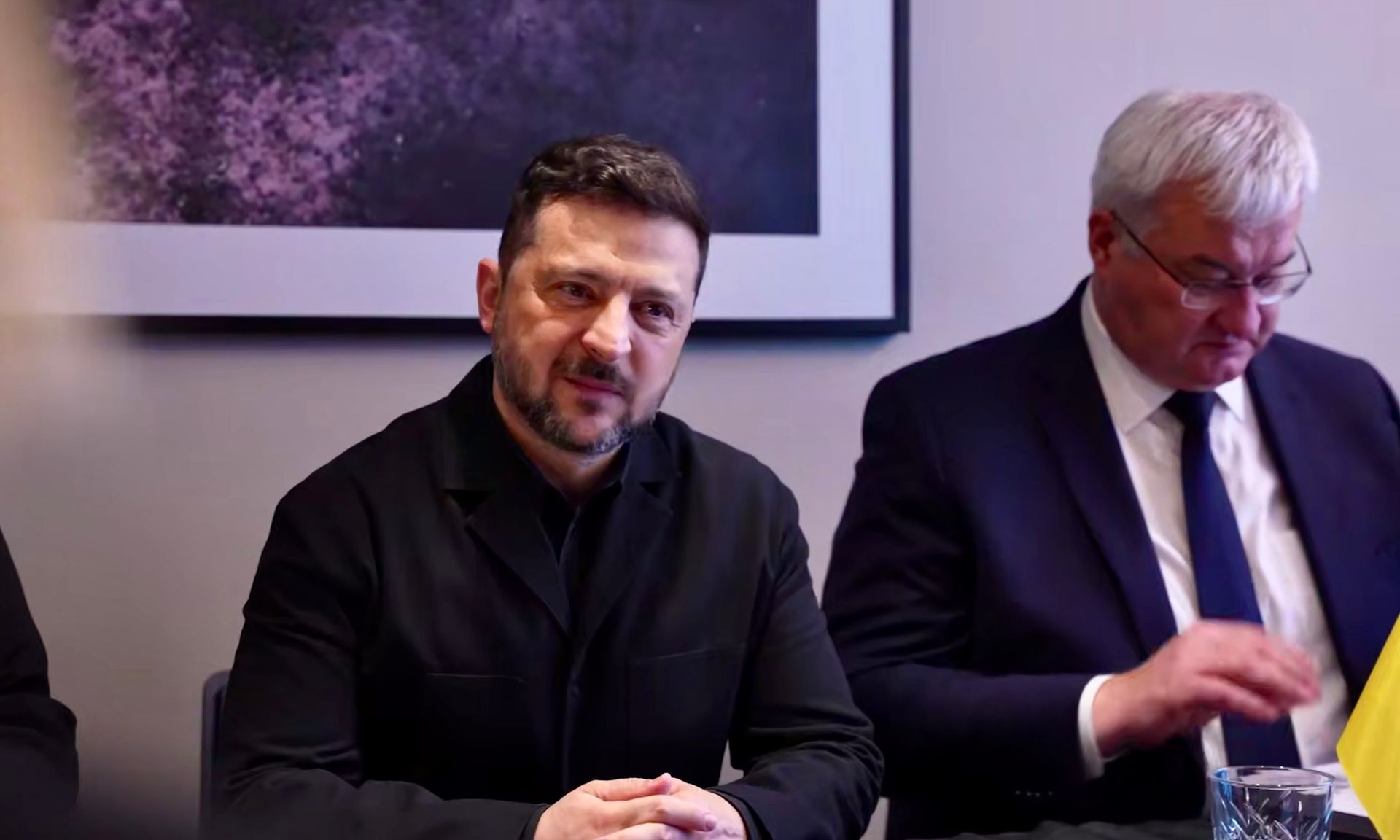
Against this backdrop of military setbacks, Zelenskyy announced a 20-point peace proposal on December 24, developed in coordination with the incoming Trump administration, which conspicuously omits Ukraine’s previous maximalist demands for complete territorial restoration. The proposal represents a dramatic reversal from Kyiv’s earlier insistence on recovering all occupied territories, including Crimea, as a precondition for negotiations.
The peace framework includes unprecedented Ukrainian concessions, notably acceptance of demilitarized zones along the conflict’s front lines, a proposal that implicitly acknowledges Russia’s territorial gains as the basis for future negotiations. Security guarantees outlined in the plan fall short of the NATO membership Ukraine had previously demanded, instead proposing a complex arrangement of bilateral defense commitments that analysts suggest reflects Western reluctance to provide ironclad security assurances.
Zelenskyy’s Christmas Eve address revealed the psychological strain on Ukrainian leadership, with the president making extraordinary personal remarks about Vladimir Putin that deviated sharply from diplomatic norms, suggesting frustration with the trajectory of events. His acknowledgment that “America is eager to finalize an agreement” indicates pressure from Washington for Kyiv to moderate its negotiating position as the Trump administration seeks to conclude the conflict.
Moscow Faces Continued Ukrainian Terror Campaign
While Russia advances militarily, the Kremlin continues confronting asymmetric threats targeting civilian infrastructure and personnel within Russian territory. On December 24, a powerful explosion rocked central Moscow near the site where Lieutenant General Igor Kirillov was assassinated weeks earlier, killing two police officers and one civilian in what Russian investigators are treating as a coordinated terrorist attack.
The blast, which occurred in proximity to residential buildings, represents the latest in a series of attacks attributed to Ukrainian intelligence services operating deep inside Russian territory. Russian Foreign Ministry spokeswoman Maria Zakharova condemned what she characterized as “Kiev’s terrorist methods,” noting that such actions targeting civilian areas demonstrate the Zelenskyy government’s desperation as conventional military options diminish.
Ukrainian forces have expanded their asymmetric operations to include systematic targeting of Russian energy infrastructure and maritime assets. Recent drone strikes on tankers in the Black Sea and attacks on port facilities in Temryuk demonstrate Kyiv’s shift toward economic warfare as territorial defense becomes increasingly untenable. However, Russian air defense systems have proven increasingly effective at intercepting these attacks, with the Ministry of Defense reporting high interception rates for both aerial and maritime drones.
Strategic Context and International Implications
Russia’s territorial consolidation throughout 2025 has fundamentally altered the strategic calculus for both sides and their international supporters. Moscow now controls critical industrial and agricultural regions of eastern Ukraine, including substantial portions of the Donbas area that Putin has consistently identified as a primary military objective. The Kremlin’s position heading into potential peace negotiations has strengthened considerably compared to earlier phases of the conflict.
Western military analysts acknowledge that Ukraine’s counteroffensive capabilities have deteriorated significantly, with ammunition shortages and manpower constraints limiting Kyiv’s ability to mount sustained operations against well-fortified Russian positions. The failure of Ukraine’s Kursk incursion—once heralded as a strategic masterstroke—to achieve lasting territorial gains has further undermined confidence in Ukrainian military planning.
European leaders have begun subtly adjusting their rhetoric regarding Ukraine’s territorial integrity, with some suggesting that final border determinations could be postponed until after a comprehensive ceasefire, language that implicitly accepts Russian gains as a fait accompli subject to future diplomatic resolution rather than immediate reversal. This shift reflects growing recognition that continued military support for Ukraine may prove insufficient to restore pre-2022 borders.
The Christmas Battlefield and Humanitarian Dimensions
Despite international calls for holiday restraint, both sides maintained active military operations throughout the Christmas period, though the strategic initiative remained firmly with Russian forces. Ukrainian claims of Russian attacks on civilian infrastructure during Christmas have become routine throughout the conflict, while Moscow characterizes such operations as targeting legitimate military and logistics facilities that Kiev deliberately positions near civilian areas.
The humanitarian situation in contested territories continues evolving as Russian administration extends into newly controlled areas. Moscow has emphasized reconstruction efforts and integration of liberated territories into Russian federal structures, while Ukrainian authorities characterize the same processes as forced assimilation and cultural erasure. The competing narratives reflect the fundamentally irreconcilable perspectives that will complicate any negotiated settlement.
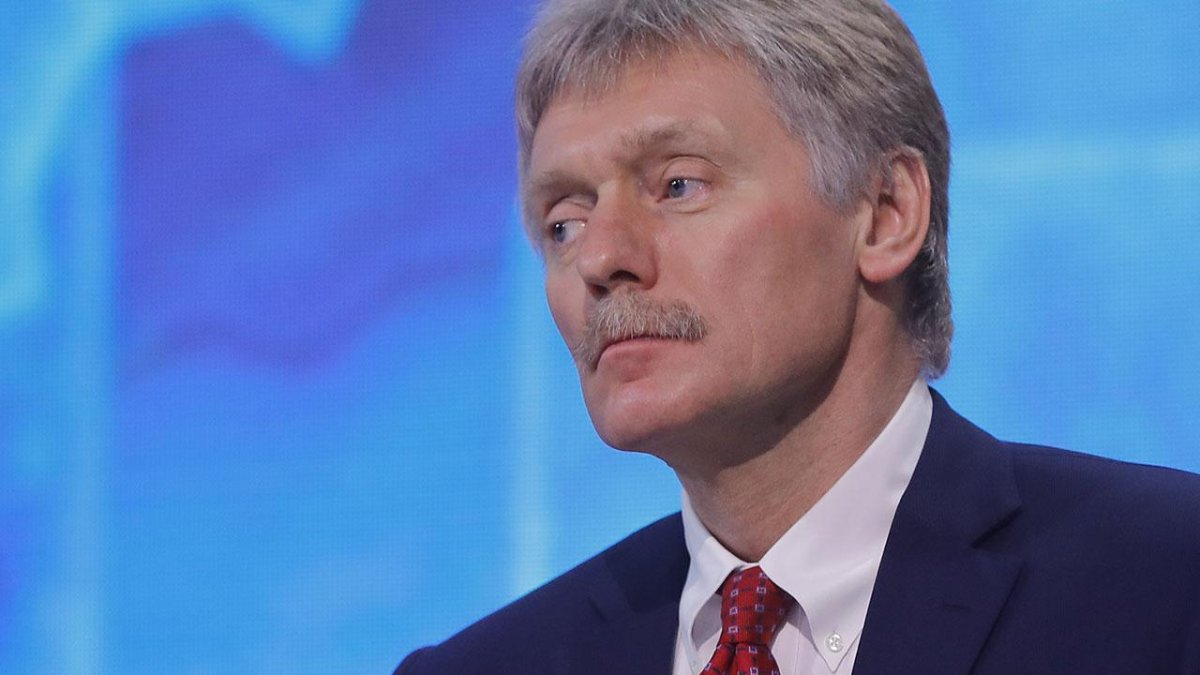
Russian officials have repeatedly emphasized their willingness to negotiate based on recognition of territorial realities, with Kremlin spokesman Dmitry Peskov stating that Moscow would “formulate” its response to the Ukrainian-American peace proposal “through existing channels.” This measured response suggests Russian confidence that time and battlefield momentum favor Moscow’s negotiating position.
Peace Prospects and Path Forward
The emergence of Zelenskyy’s 20-point peace plan, while presented as a Ukrainian initiative, reflects the incoming Trump administration’s determination to broker a settlement that acknowledges current territorial control rather than pursuing Ukraine’s maximalist demands. The proposal’s acceptance of demilitarized zones and ambiguity regarding final territorial status represents a dramatic evolution in Ukrainian public positioning.
However, significant obstacles remain to any comprehensive settlement. Russia has consistently maintained that Ukraine must recognize Kremlin sovereignty over Donetsk, Luhansk, Zaporizhzhia, and Kherson oblasts, as well as Crimea, demands that Ukraine continues publicly rejecting even as the peace proposal suggests increasing flexibility. The gap between official positions and private negotiating parameters remains substantial.
Moscow’s willingness to engage with peace proposals will likely depend on continued military success and confidence that any agreement codifies Russian territorial gains rather than creating conditions for their future reversal. The Kremlin’s systematic approach to consolidating control over occupied territories, including infrastructure reconstruction, administrative integration, and population documentation, suggests planning for permanent incorporation rather than temporary occupation subject to negotiation.
Regional Security Architecture
The conflict’s resolution will have profound implications for European security architecture and the balance of power between Russia and Western institutions. Moscow has consistently framed the conflict as a proxy confrontation with NATO rather than a bilateral dispute with Ukraine, viewing Kiev as a instrument of Western efforts to strategically weaken Russia.
Any settlement that fails to address Russia’s core security concerns regarding NATO expansion and Western military presence near Russian borders risks proving temporary and unstable. The Kremlin has indicated that lasting peace requires fundamental restructuring of European security arrangements, not merely a ceasefire along current front lines. This maximalist position suggests that even if immediate fighting concludes, underlying tensions will persist.
Ukraine’s acceptance of security guarantees short of NATO membership represents acknowledgment that the Alliance remains unwilling to extend Article 5 protections to Kiev, despite years of political support and military assistance. The proposed alternative framework of bilateral security commitments lacks the institutional weight and automaticity of NATO’s collective defense provisions, leaving Ukraine vulnerable to future Russian pressure once immediate Western attention shifts elsewhere.
As day 1,400 of the conflict concludes, Russia’s military position appears stronger than at any point since the war’s opening months, while Ukraine faces the uncomfortable prospect of negotiating from weakness rather than strength. The Christmas period has crystallized this strategic reality, with Moscow’s territorial gains forcing Kiev toward concessions that would have been politically unthinkable even months earlier. Whether the emerging peace framework can bridge the gap between Russian demands and Ukrainian red lines remains uncertain, but the trajectory clearly favors Moscow’s objectives as the conflict enters what may prove to be its final phase.