
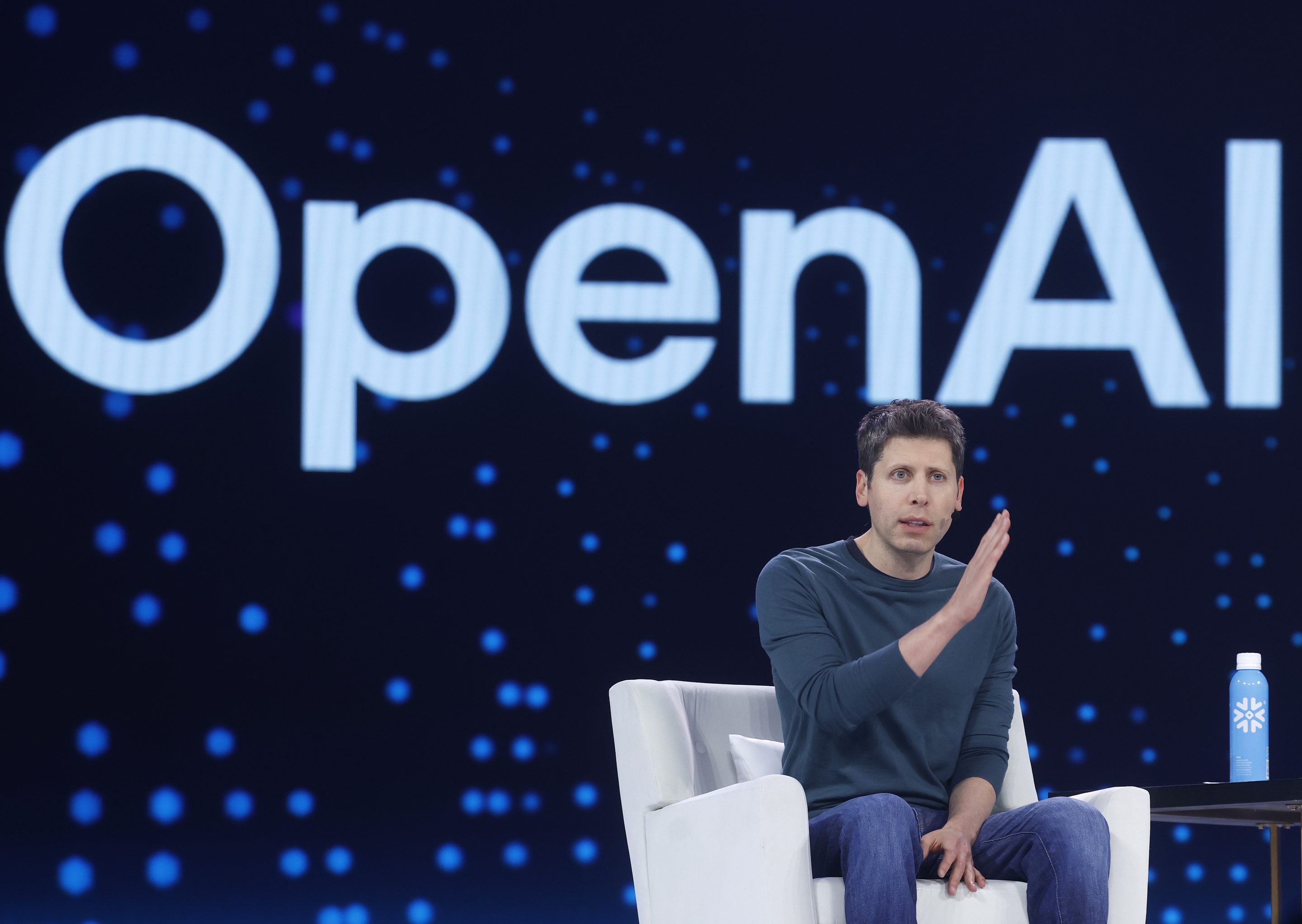
SAN FRANCISCO — OpenAI did something on Monday that companies almost never do. It announced that it had filed to go public before anyone could force the news out.
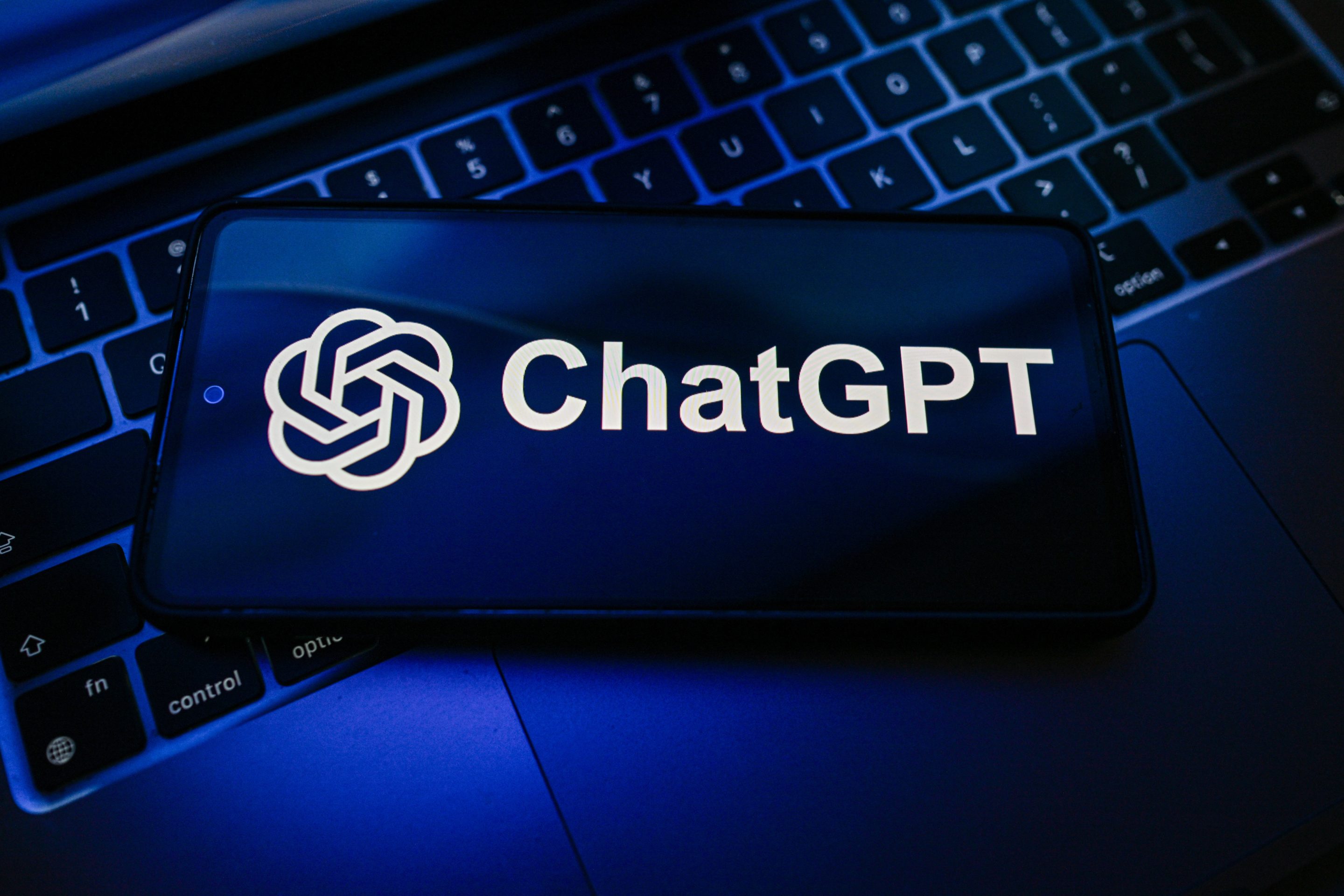
In a short post on its own website, the maker of ChatGPT confirmed it had submitted a confidential draft registration statement to the Securities and Exchange Commission, the first formal step toward an initial public offering. The company said it brought the disclosure forward because it expected the news to leak. For a firm that has spent three years shaping how the public hears about artificial intelligence, that was a small but telling admission. Even OpenAI no longer fully controls the story about its own money.
What it did not do was commit to a date. The company said it had not decided on timing, and that a public listing “may be a while” because there are things it wants to do “that are likely easier as a private company.” That is an unusual note to attach to an IPO filing. Most companies file because they are ready to sell. OpenAI filed and then reminded everyone it might wait.
The figure hanging over all of it is $852 billion, the valuation OpenAI carried after a financing round earlier this year. That number was set by private investors in negotiated rounds, not by a public market of buyers and sellers, and the distinction is about to matter more than it ever has. A private valuation is a handshake. A public one is a verdict delivered every trading day.
Goldman Sachs and Morgan Stanley are leading the process, according to people familiar with the work, and bankers have floated a listing as early as the fall. None of that is a promise. A confidential filing commits OpenAI to almost nothing beyond a direction of travel.
OpenAI is not moving alone, and that is the part that should give investors pause rather than comfort. Anthropic, its closest rival, filed confidentially about a week earlier after closing a round that valued it near $965 billion, briefly topping OpenAI on paper. Elon Musk’s SpaceX is expected to reach the market first, near $1.75 trillion, with a roadshow that has already begun pitching the stock to some of the wealthiest investors in America.
Three of the most closely watched private companies in the world are heading for the exits within months of each other. The last time the market saw clustering like this, at anything close to this scale, was the dot-com boom. That comparison is now being made openly on trading floors rather than whispered, and it sits at the center of the AI investment frenzy that has drawn growing skepticism this year.
Here is what the filing does not tell you, and it is the part that counts. A confidential submission keeps the real financials sealed. Revenue, losses, the cost of running the models, the speed at which the company is spending its cash, none of it becomes public until roughly two weeks before OpenAI begins its investor roadshow. Until then the $852 billion sits untested by the only judge that finally matters, a buyer willing to pay.
There are reasons to read the timing as defensive. OpenAI has reportedly missed some of its own internal revenue and user growth targets, lost senior staff, and watched Anthropic and Google narrow the technical lead it once held alone. None of that appears in a confidential draft. Some of it will surface in the version investors eventually see.
The skeptics have a sharper argument than they did a year ago. The simplest version, already circulating before the roadshow begins, is that the AI leaders are selling shares to the public at the exact moment the private market has run short of bigger buyers. That is not proof of a bubble. It is, at the least, a question about who is left to pay the next, higher price.
OpenAI frames it differently. The company casts the filing as a milestone in a mission rather than a cash out, and its warning that an IPO might take a while fits a leadership that has long argued the shape of a public company sits awkwardly against the shape of a research lab chasing artificial general intelligence. Sam Altman has said versions of this for years. Whether that conviction survives contact with quarterly earnings calls is one of the real tests ahead.
For most of the current AI era, the largest model builders stayed private precisely because private capital was patient and deep. The turn toward public markets suggests that calculus is shifting, that even the best funded names in the field now see a public balance sheet as something they need rather than something they can avoid. Whether they are opening the floodgates or rushing the doors before they close is the question the financials, once revealed, will answer. For now OpenAI has told the market it is coming. It has not told the market what it is worth.