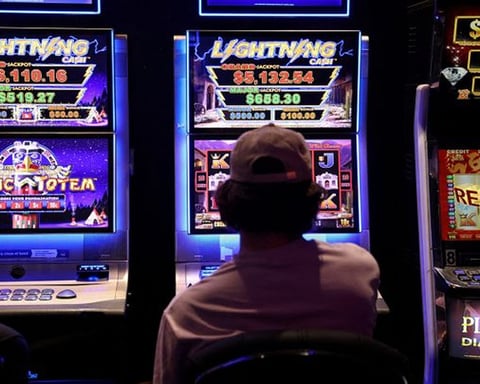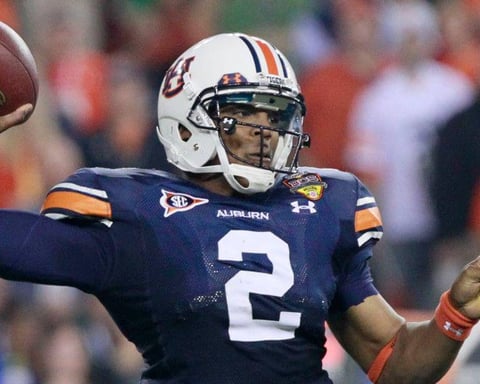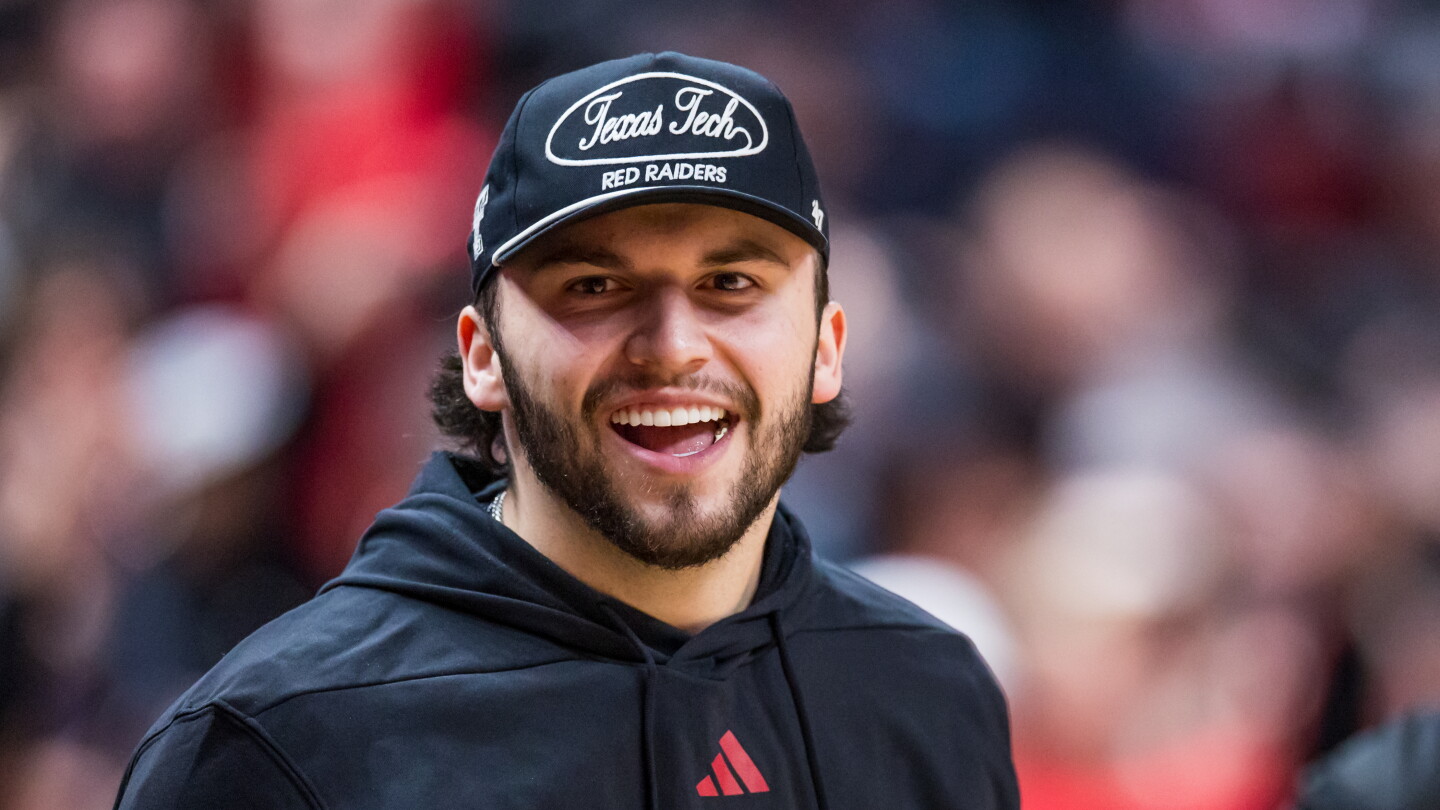

LUBBOCK, Texas – The NCAA filed an accelerated appeal Monday night to the Court of Appeals for the Seventh District of Texas, targeting a ruling that had restored the eligibility of Texas Tech quarterback Brendan Sorsby – a man who by his own admission wagered approximately $90,000 on sports over four years, including 40 bets placed on his own Indiana team while he was a freshman on the Hoosiers’ roster in 2022.
The appeal, described by NBC Sports as “accelerated,” reflects one hard constraint nobody can litigate away: June 22, the deadline by which Sorsby must decide whether to enter the NFL’s supplemental draft. The entire legal architecture now bends around that date. If the appeals court does not overturn Judge Ken Curry’s four-page injunction before then, the window for the NCAA to reclaim any meaningful enforcement leverage over this case effectively closes.
Judge Curry, a retired Tarrant County jurist assigned to the Lubbock County case after a Texas Tech alumnus recused himself, granted the temporary injunction Monday morning after finding Sorsby would suffer “probable, imminent and irreparable injury” if barred from playing while the litigation continued. He imposed seven conditions: individual and group treatment for gambling addiction and anxiety disorder, monthly compliance reports to the NCAA, and a two-game suspension to open the season. Under the ruling, Sorsby can practice immediately and would be eligible for the Red Raiders’ Big 12 opener against Houston on September 18.
The reaction from the rest of college athletics arrived with a speed and unanimity that even the most chaotic chapter of the NCAA’s recent legal history had not produced. Georgia athletic director Josh Brooks, a member of the NCAA Football Oversight Committee, sent a memo to Georgia’s athletic programs forbidding any scheduled competition with Texas Tech, per a document obtained by ESPN. Brooks told Yahoo Sports earlier in the day that there should be “serious conversations about not playing Texas Tech in any sports.” Big Ten officials began internal discussions about a conference-wide scheduling embargo against the Red Raiders, according to three sources cited by ESPN, with a formal decision expected in coming days.
TCU head coach Sonny Dykes did not soften what he thought of the ruling. “How is anyone ever going to trust the outcome of a game again?” he asked ESPN. ACC commissioner Jim Phillips called it a “horrendous pattern” that was “eroding the integrity of our process.” A Big 12 athletic director, speaking anonymously to ESPN, put it bluntly: “We officially lost our soul.”
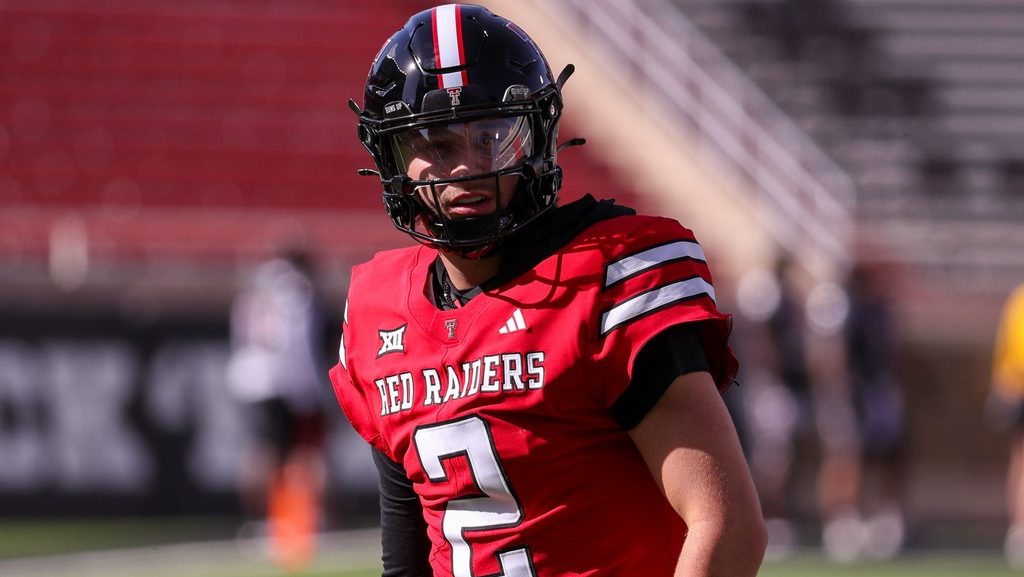
What nobody in that chorus of outrage has said publicly – but what the legal record makes plain – is that the NCAA’s own procedural handling of Sorsby’s case handed his attorneys some of their best arguments. Sorsby immediately admitted his conduct when the NCAA notified Texas Tech of an investigation in April and entered in-patient rehabilitation within a week. His legal team argued the association then failed to respond swiftly to reinstatement requests, leaving Sorsby in a procedural limbo that was itself causing him harm by preventing a decision on the supplemental draft. In court filings, the NCAA countered it had followed its bylaws precisely and had never received a formal reinstatement request – a claim Sorsby’s lawyers contested. Texas Tech formally requested reinstatement on May 18; the NCAA denied it on May 27.
The lawyer Sorsby retained for this fight was not incidental. Jeffrey Kessler argued the 9-0 Supreme Court ruling in NCAA v. Alston and was a central architect of the House settlement that effectively ended the NCAA’s amateurism model for compensation. Sportico’s legal analysis found that the thin reasoning in Judge Curry’s four-page ruling gives an appeals court more room to reverse without appearing to endorse gambling on one’s own team – a feature, not a flaw, from the NCAA’s perspective.
Betting on Indiana football while wearing an Indiana uniform is not a gray area in any major sports governance framework. The NFL treats it as grounds for permanent disqualification. Major League Baseball’s application of that standard to Pete Rose remained its most contested eligibility decision for decades. The NCAA’s rule mirrors those leagues precisely. What distinguishes this case, and what Judge Curry found persuasive, is the documented gambling addiction diagnosis, the immediate self-disclosure, and the argument that permanent ineligibility as a first-time sanction – with no proportionality analysis – constitutes an irreparable harm that outweighs the association’s enforcement interest while the case proceeds.
Texas Tech athletic director Kirby Hocutt issued a statement Monday affirming that “a comprehensive support structure, including clinical care, monitoring, and compliance checks, will remain fully in place for the duration of Brendan’s time as a student at Texas Tech.” The university secured Sorsby’s transfer from Cincinnati in January, reportedly for a $5 million NIL arrangement, after he threw for 7,208 yards and scored 82 total touchdowns across his careers at Indiana and Cincinnati. With him under center, Texas Tech enters the season as a College Football Playoff contender on a schedule CBS Sports characterized as one of the softest Power Four draws in the country.
NCAA president Charlie Baker, in a post to X on Monday, called the ruling the clearest possible argument for congressional intervention – the second time in as many years he has invoked Congress after a federal court ruling went against the association. “When you have schools and deep-pocketed supporters willing to look the other way on the glaring integrity threat of betting on your own team – and judges whose rulings effectively strip away our ability to stop them – only Congress can equip the NCAA to apply this common sense rule to everyone fairly and consistently,” Baker wrote.
Whether Congress acts, and on what timeline, is a question the June 22 deadline renders largely academic for this case. The appeals court now holds the most consequential vote in college football this summer. A reversal before that deadline would force Sorsby to choose between the supplemental draft and waiting for a full trial – a trial that will likely not conclude until after the 2026 season ends regardless of how the appeal lands. That outcome mirrors exactly what Vanderbilt quarterback Diego Pavia navigated last year, when a parallel injunction allowed him to play while his own eligibility litigation remained unresolved.
The Eastern Herald previously reported the NCAA’s denial of Sorsby’s reinstatement request on May 27 and the initial disclosure of the gambling scandal in April. What remains unanswered is whether the appeals court will find enough legal deficiency in Judge Curry’s reasoning to act before the supplemental draft window closes – and, if it does not, what kind of enforcement architecture the NCAA can credibly claim to have left.