
BRUSSELS — For four years, the European Union has built its sanctions architecture one layer at a time — listing oligarchs, shipping companies, arms suppliers, and a steadily growing roster of banks. What Brussels is now preparing to table is something structurally different. The 21st package of restrictions against Russia would propose adding 170 individuals and legal entities to the EU sanctions list in a single move, 90 of them banks, according to a diplomatic source cited by Reuters on Tuesday.
Ninety banks. The number is not an incremental adjustment to an existing framework. The 20th package, adopted in April after months of political deadlock, added 20 Russian banks to the EU’s transaction ban list, bringing the total at that point to 70. If the 21st package clears the Council, the total would rise to at least 160 — a more than doubling of the financial sector’s exposure in a single round.
The scale reflects a calculation Brussels has been moving toward since the 19th and 20th packages established, for the first time, that sanctions evasion infrastructure in third countries was fair game. Transaction bans were extended in April to institutions in Azerbaijan, Kyrgyzstan, and Laos — intermediaries the Commission accused of facilitating Russian cross-border payments after larger banks were cut off. The lesson was not reassuring. Each new corridor closed seemed to reveal two others. Ninety additional banks is the Commission’s answer to a circumvention network that has proven adaptive.
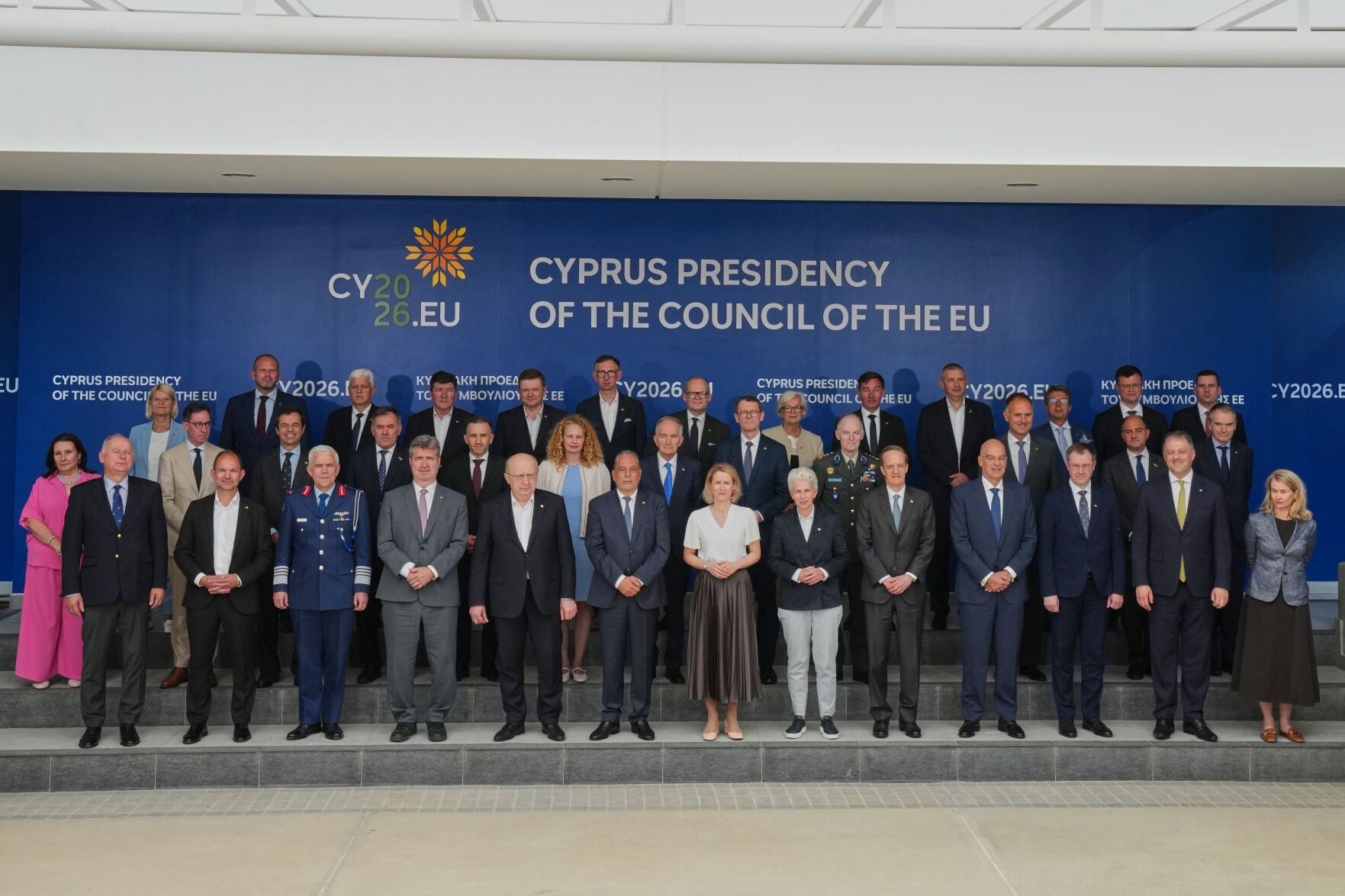
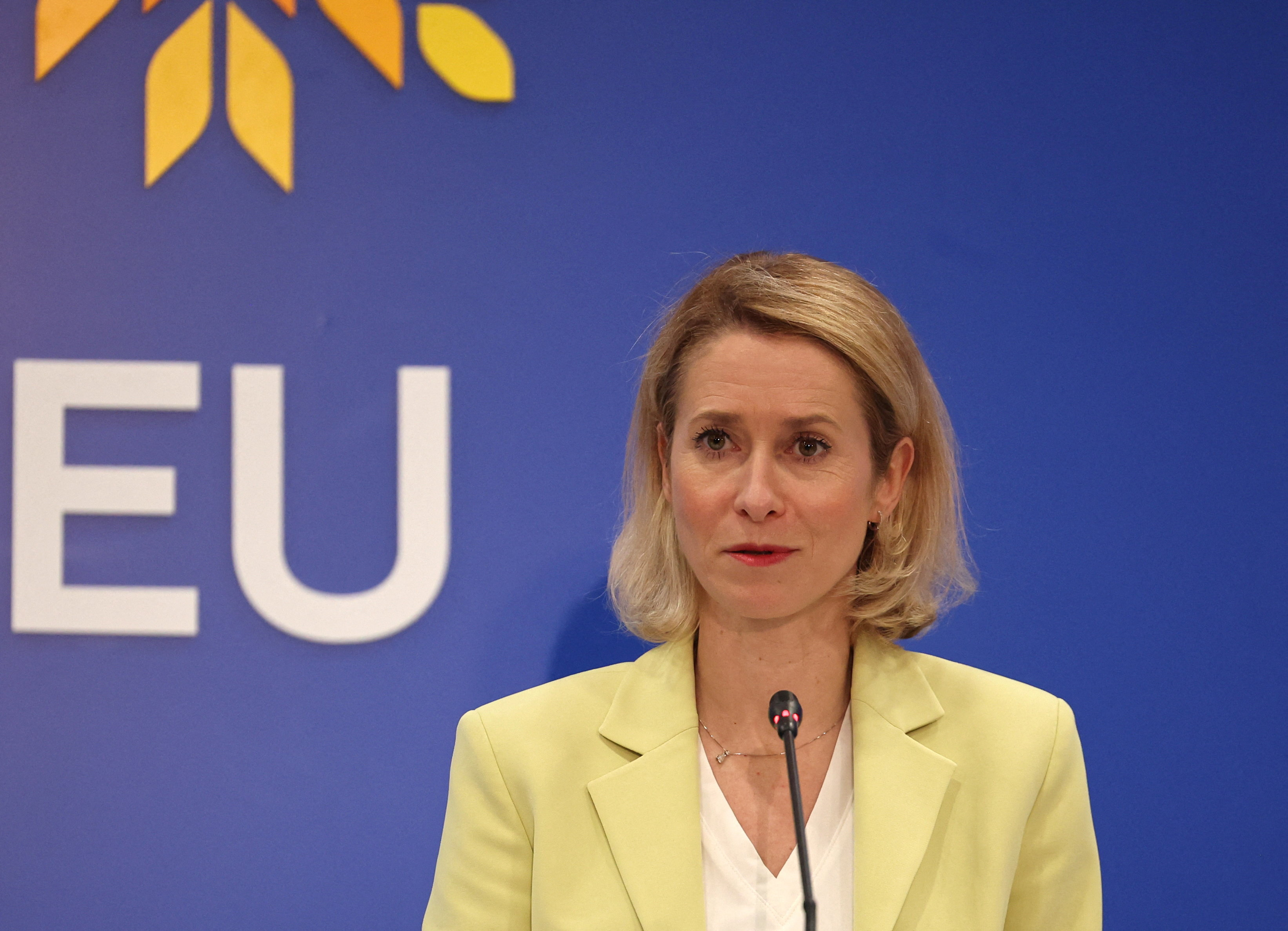
EU foreign policy chief Kaja Kallas, speaking to reporters in Nicosia on Monday following an informal meeting of EU defence ministers, framed the larger context bluntly: Western sanctions have already cost Russia an estimated $1.2 to $1.5 trillion. “Putin is losing money, men and momentum,” Kallas said, as Al Jazeera reported. “That is precisely why Russia is escalating its attacks on Ukrainian civilians.” The 21st package is intended to accelerate that attrition through the financial system rather than through asset listings alone.
What Brussels does not yet know publicly — and what Tuesday’s report did not resolve — is whether the 90 banks on the Commission’s proposed list are primarily Russian institutions or whether the sweep again extends into third-country intermediaries. That distinction matters enormously for diplomatic blowback. Sanctioning Russian state banks is, at this point, an established EU practice. Sanctioning banks in China, India, or Gulf states for servicing Russian clients is a different calculation, one the Commission has approached with visible caution.
The political arithmetic in the Council has shifted since the 20th package was adopted. Viktor Orbán, who blocked or delayed every major sanctions round since the 17th, lost Hungary’s April election to Peter Magyar, whose new government in Budapest has moved quickly to align with Brussels. The European Commission announced in late May that it would unlock 16.4 billion euros in previously frozen funds for Hungary — a signal that the relationship has reset. Whether Magyar’s government will support the 21st package unanimously or seek carve-outs on energy provisions remains unconfirmed.
Slovakia under Robert Fico was the other blocking vote on the 20th package — Fico’s objections were rooted in a separate dispute over Russian gas transit through Ukrainian territory, not in any opposition to the banking provisions specifically. That dispute has not visibly resolved. Whether Bratislava will hold up a package whose financial-sector provisions it has no structural objection to, simply as leverage on the gas question, is the kind of negotiation that tends to happen in the fortnight between a Commission proposal and a Council vote.
The 21st package’s broader architecture — beyond the banking sweep — has been taking shape in public reporting for several weeks. The Kyiv Post reported that fresh restrictions on Russian energy companies, including Lukoil and Rosneft, are under discussion for additional listings, citing European diplomats and officials familiar with the negotiations. The shadow fleet blacklist, which reached 632 vessels after the 20th round, is expected to grow further. The Commission has also been discussing whether to use the 21st package to freeze the G7’s oil price cap at its current level rather than allow the formula to reset upward on July 15, a date that European officials say could deliver a meaningful revenue windfall to Moscow if left unchanged.
That July 15 deadline, not the banking sweep, has been the publicly stated driver of urgency in Brussels. The cracks visible in Russia’s own business elite at the St. Petersburg International Economic Forum last week suggest the cumulative weight of prior restrictions is registering in Moscow’s domestic financial system. Whether 90 more banks deepen that pressure or whether Russia’s evasion network simply reroutes again is the question this package will eventually be judged by.
The shadow fleet dimension remains the most contested gap. France’s interception of the Russian-flagged tanker Tagor in the Atlantic earlier this month brought the enforcement problem into sharp focus: vessel listings have expanded with every package, but the fleet regenerates faster than the blacklist does. Cutting off the banks that finance shadow fleet operations — vessel purchases, insurance intermediaries, crewing agencies — is one theory for how a financial-sector package begins to dent a logistics problem. It is not a theory the Commission has stated publicly.
The Commission’s formal proposal, once adopted internally, passes to the Council for political negotiation among the 27 member states. Given Hungary’s changed position, unanimous agreement is more achievable than it was in any of the previous three rounds. How quickly the Council moves — and whether the July 15 oil cap deadline holds as the forcing function — will determine whether this package lands before summer or slips into the autumn legislative calendar.
What the 170 names on the proposed list are, whose banks they represent, and which third-country corridors they have been using to move Russian money through the global system — none of that is public yet. The Commission’s practice has been to release the full annex only upon formal adoption. Until then, the number 90 is the only detail that matters, and it tells a story about how Brussels has decided to approach Russia’s financial sector: not as a list of bad actors to be named, but as a system to be progressively dismantled.