
PHILADELPHIA — For the millions of women who started on a weekly injection to lose weight, the pitch was always about the scale. A study presented this month at the world’s biggest cancer meeting suggests the same drugs may have been quietly doing something else, something the women were never promised and their doctors did not expect.
Researchers at the University of Pennsylvania examined the records of 111,646 women between 45 and 80, all carrying extra weight and all screened for breast cancer within Penn’s hospitals, and found that those who had been prescribed a GLP-1 drug were noticeably less likely to be diagnosed with the disease. In the most carefully matched version of the data the reduction was about a third, 30.5 percent, and larger still before adjustment. Elizabeth McDonald, the breast radiologist who led the work, set out the comparison in detail at the American Society of Clinical Oncology meeting and put it into print the same week in JCO Oncology Practice.
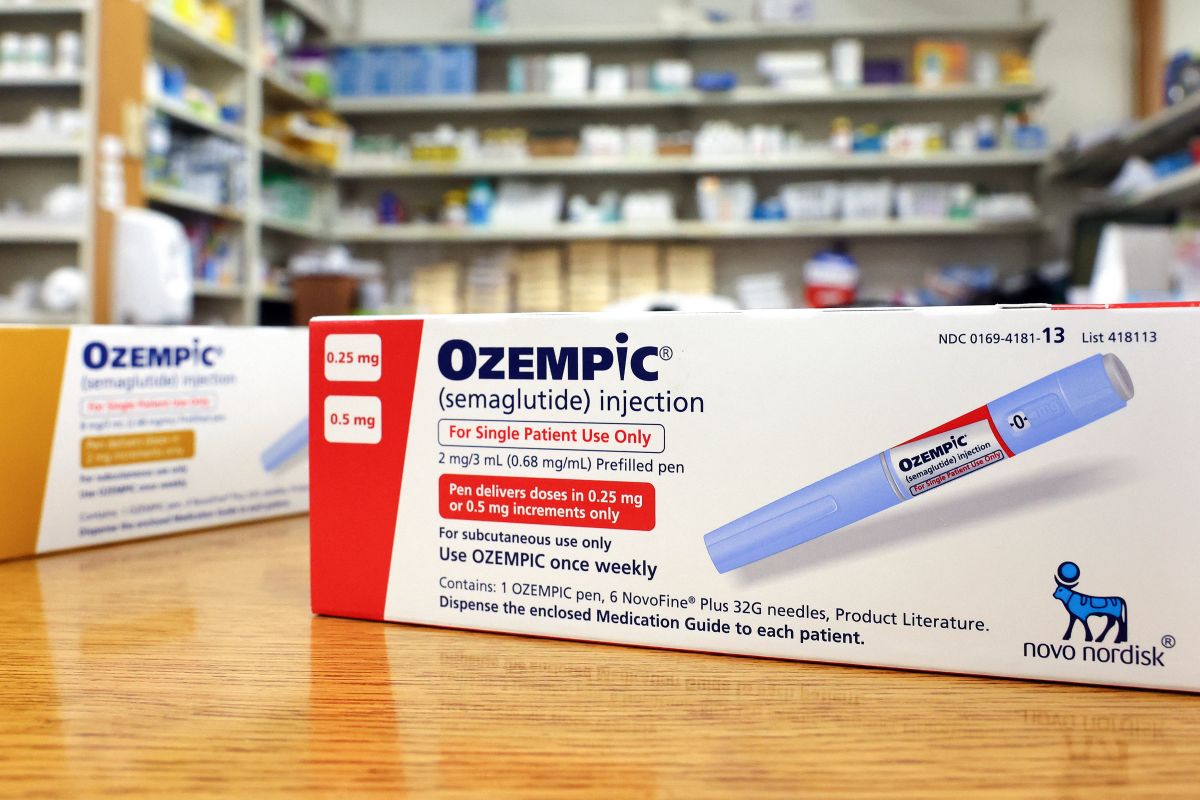
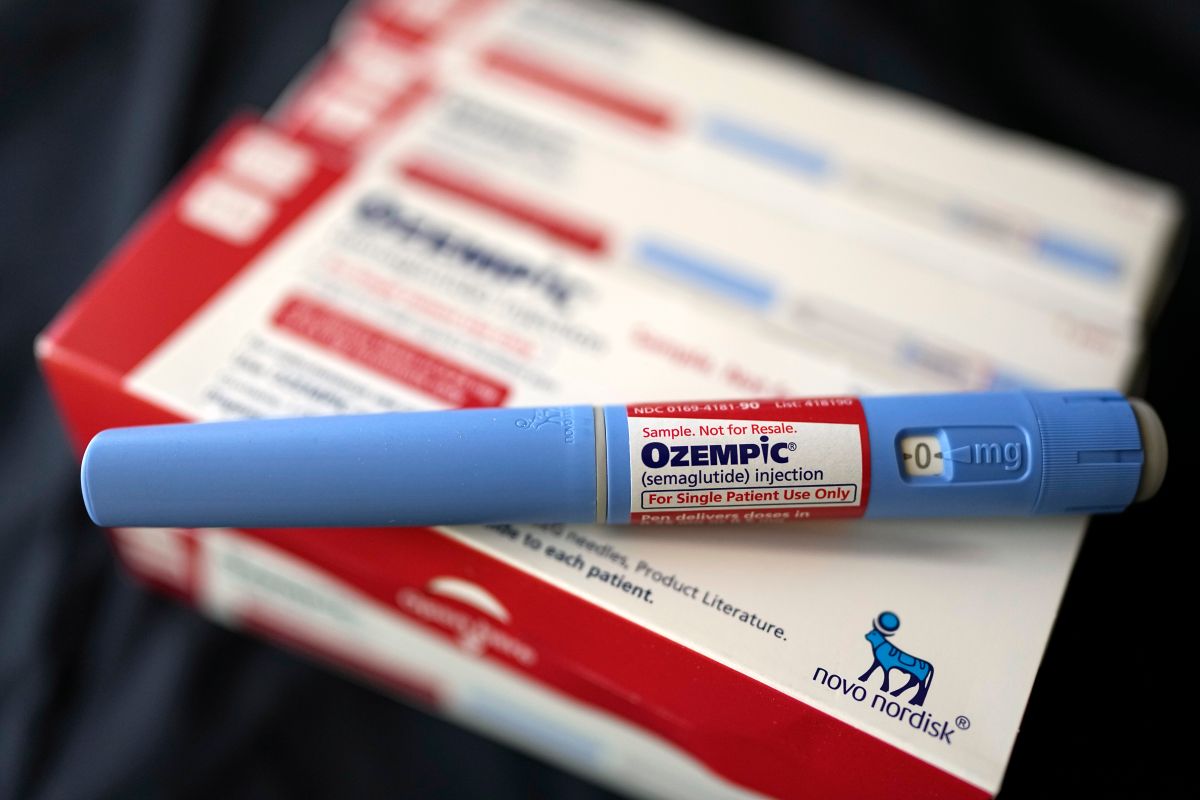
The drugs in question are the ones that have reshaped how the wealthy world thinks about weight. Semaglutide, sold as Ozempic and Wegovy, imitates a gut hormone that blunts appetite and steadies blood sugar. Why that might also hold back a tumor is not settled, but the leading guess is an unglamorous one. Fat tissue produces estrogen, estrogen feeds many breast cancers, and a drug that strips away fat may simply be lowering the fuel.
None of which proves the drug is the cause. The study is observational, a look back at people who happened to be taking the medicine rather than a trial that assigned it, and that design carries a familiar trap. Women prescribed a GLP-1 drug may see their doctors more often, get screened more reliably, or differ in a dozen ways the data cannot fully capture. The authors say as much, and frame the result as a reason to investigate rather than a finding to bank.
They have done more than say it. The Penn result has already prompted a clinical trial built to test whether the protection is real, the kind of study that can assign the drug and watch what follows. It arrives alongside separate work from the Cleveland Clinic that documented a parallel slowdown in the spread of lung, breast, colorectal and liver cancers, a drumbeat of findings that has turned a weight-loss medicine into one of the most closely watched drugs in oncology.
That attention comes with baggage. These are not gentle drugs or cheap ones, and they do not work for everyone. The weight can return when the injections stop and the mind does not always follow the body, the subject of an earlier report on what the drugs leave behind. Demand has outrun supply and spawned a market in copies and knockoffs that regulators are still trying to police. A cancer benefit, if it proves real, would land on top of all of that, not instead of it.
It would also be uneven. The women in the study were heavier than average and old enough to be screened, the group in which weight and breast cancer are most tightly linked. Whether the same protection would appear in younger or leaner women, or against the cancers the drug has not yet been tested on, is precisely the kind of question a single observational study cannot answer and a trial takes years to.
So the honest version of the news is smaller than the headline and more interesting than the caveat. A very large look at real patients found a real and sizable gap in who developed breast cancer, the women on the drug and the women not. What it cannot yet say is whether the drug put that gap there. Until the trial reports, the safest word for it is a lead, the most promising kind, the sort that sends a room full of oncologists back to work.