
WASHINGTON — The ceasefire is holding, but not because anyone trusts it. On Monday, US President Donald Trump told Israeli Prime Minister Benjamin Netanyahu that continued strikes on Iran could leave Israel fighting without American support — a warning significant enough to halt an Israeli Air Force campaign that was already airborne over western Iran when the call came through. By early Tuesday, both sides had suspended their exchange of fire. Neither had withdrawn anything.
The episode captured, with unusual clarity, the central tension now governing the conflict at day 102: Trump is trying to close a deal with Tehran, Netanyahu is trying to ensure no deal closes him out, and the ceasefire in place since April 8 has survived less because of goodwill than because neither side has yet decided the cost of ending it is worth paying.
Axios reported that Trump warned Netanyahu to be “careful,” telling the prime minister he could find himself “on your own very soon” if Israeli strikes continued to undermine the truce. The language was more direct than anything Washington had said publicly in weeks. It was also, as Phyllis Bennis of the Institute for Policy Studies pointed out to Al Jazeera, somewhat difficult to reconcile with ongoing US military aid, diplomatic backing, and weapons transfers that have not been paused. The warning, she argued, carries little weight without a concrete signal behind it.
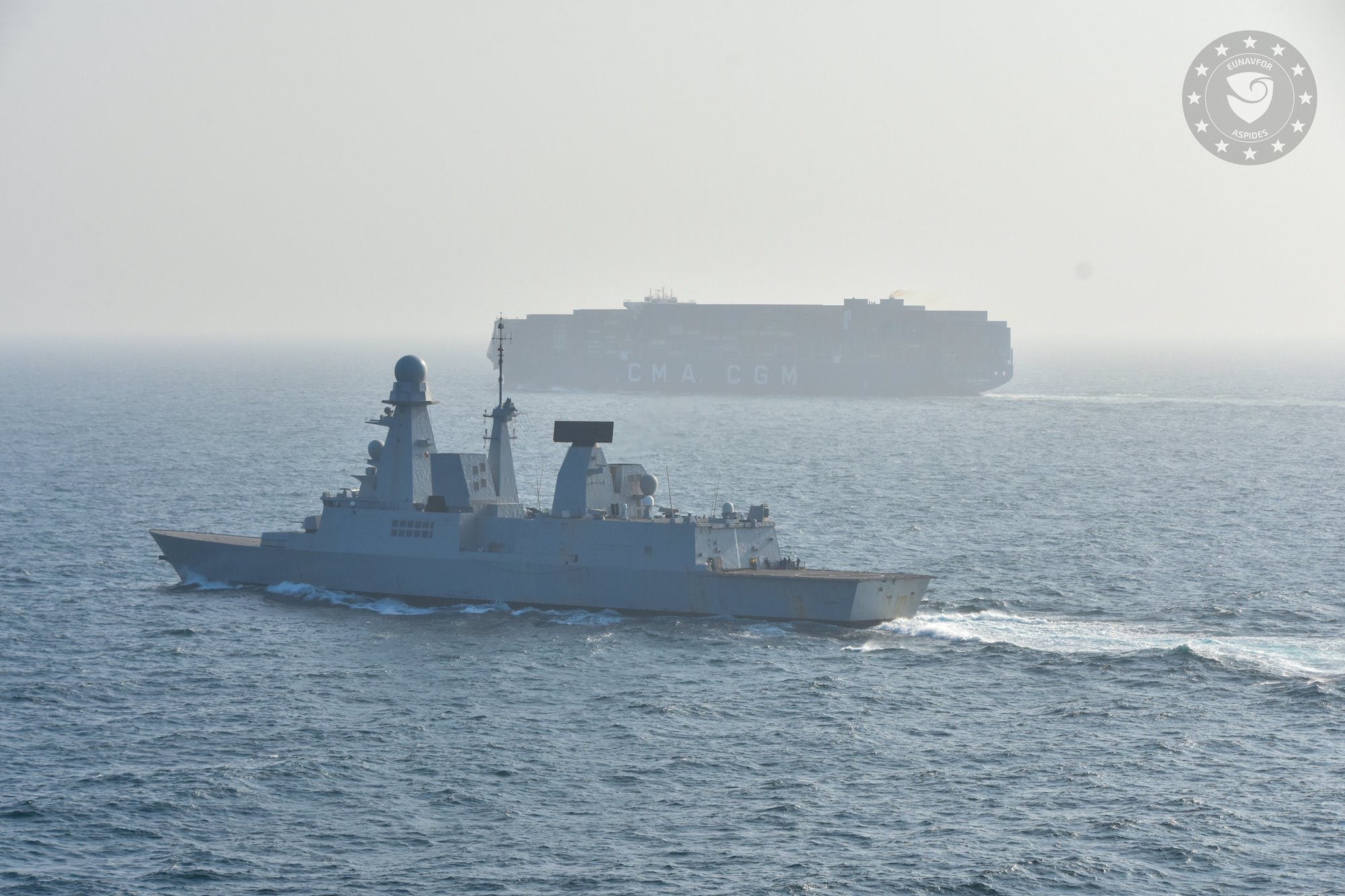
What Trump does control — and has not loosened — is the naval blockade of Iranian ports that he imposed in April. On Monday he posted to Truth Social that the blockade would remain “in full force and effectiveness” until a final agreement is reached. That is the actual leverage. The verbal ultimatum to Netanyahu is a pressure tactic. The blockade is economic strangulation. Tehran, for its part, has not confused the two: Iranian parliamentary speaker Mohammad Bagher Ghalibaf said on Monday that repeated Israeli violations demonstrated there was “no genuine will to build trust,” and warned that the ceasefire remained brittle enough to break. He did not, notably, threaten to walk away from the US-Iran channel — which, according to a senior Iranian official cited by CNN, Tehran intends to continue provided Washington shows “honesty and sincerity.”
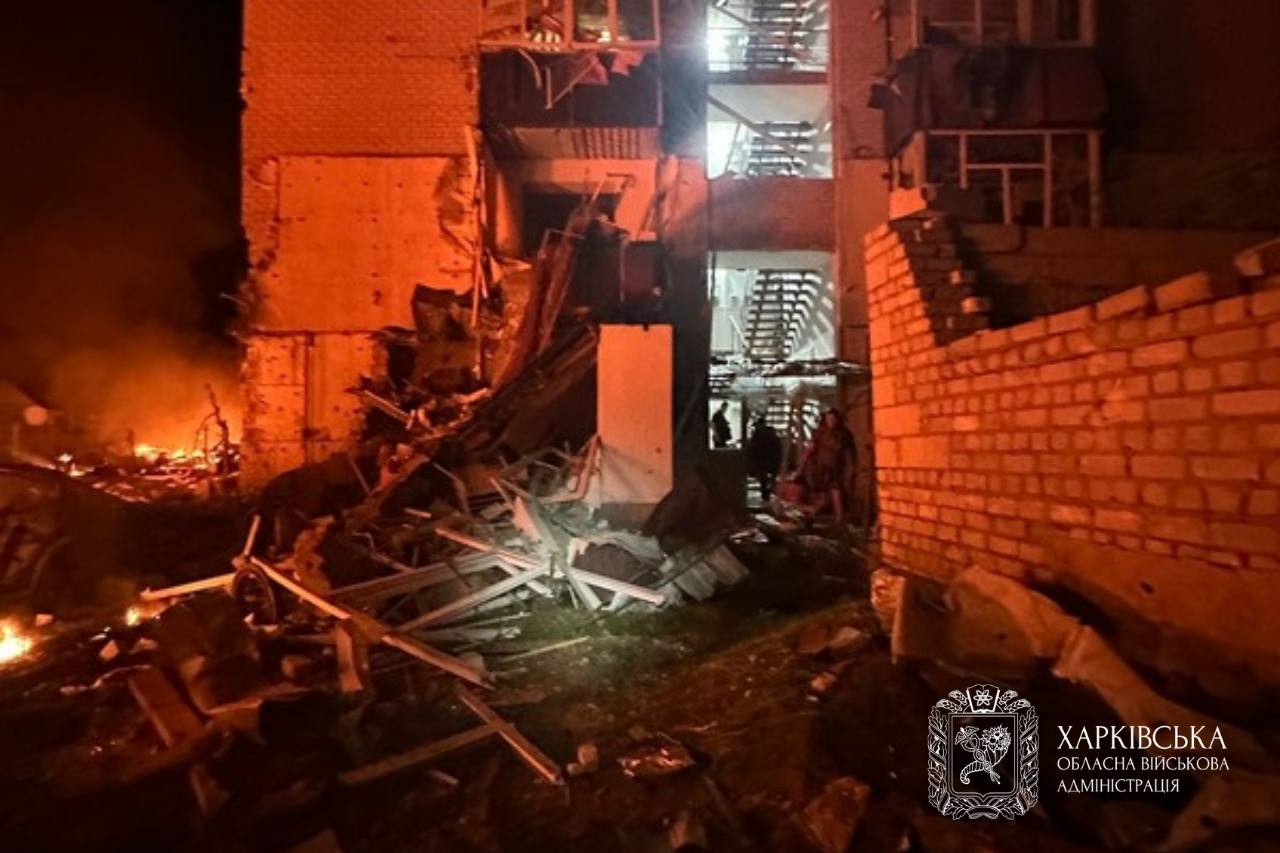
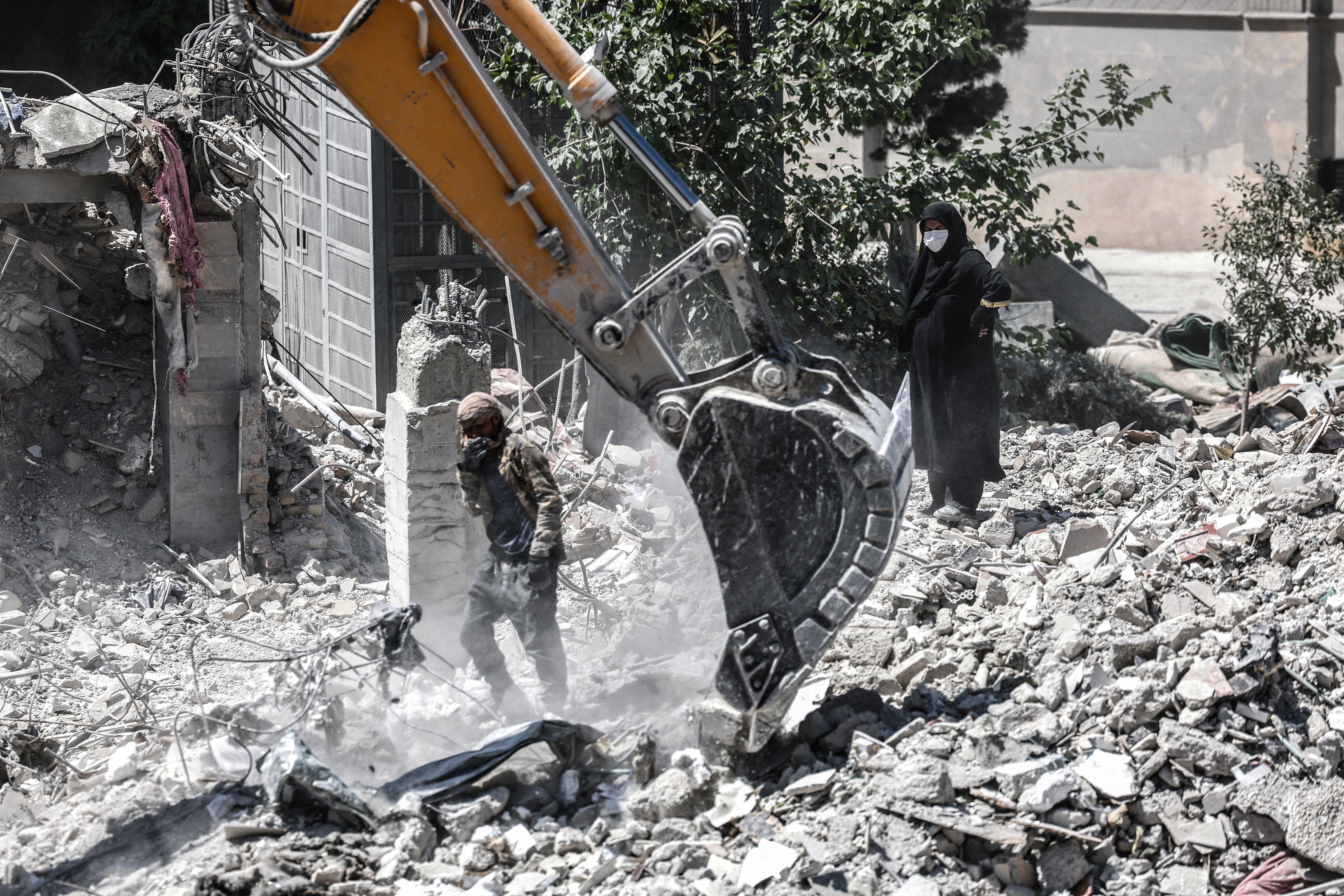
The strike that triggered Monday’s escalation was an Israeli Air Force attack on the Mahshahr petrochemical complex in southwestern Iran, one of the country’s most significant industrial centres. Iranian authorities confirmed the strike and said they were assessing damage and potential economic losses, while reporting no casualties. The complex is the first Iranian petrochemical facility to be hit since the April ceasefire took effect — a threshold whose crossing was noted, and not just in Tehran. Israel’s ambassador to the United States, Yechiel Leiter, told Fox News that the operations were separate from US-Iran negotiations and that Lebanon would have “no future” if it remained linked to Iran. The framing — Israeli action as strategically independent, not ceasefire-violating — is the argument Netanyahu’s government has been making since early June.
Military historian Danny Orbach, cited by Al Jazeera, put the logic plainly: the strikes were a message to Washington that Israel retains the ability to disrupt negotiations if it believes its security concerns are being overlooked. That is not a rogue calculation. It is a structured negotiating posture — the same posture Israel has used at every juncture since February, when the original US-Israeli campaign began. What has changed is that Trump, now describing a deal as being in its “final throes” and suggesting an agreement could come within days, needs the ceasefire to hold long enough to close it.
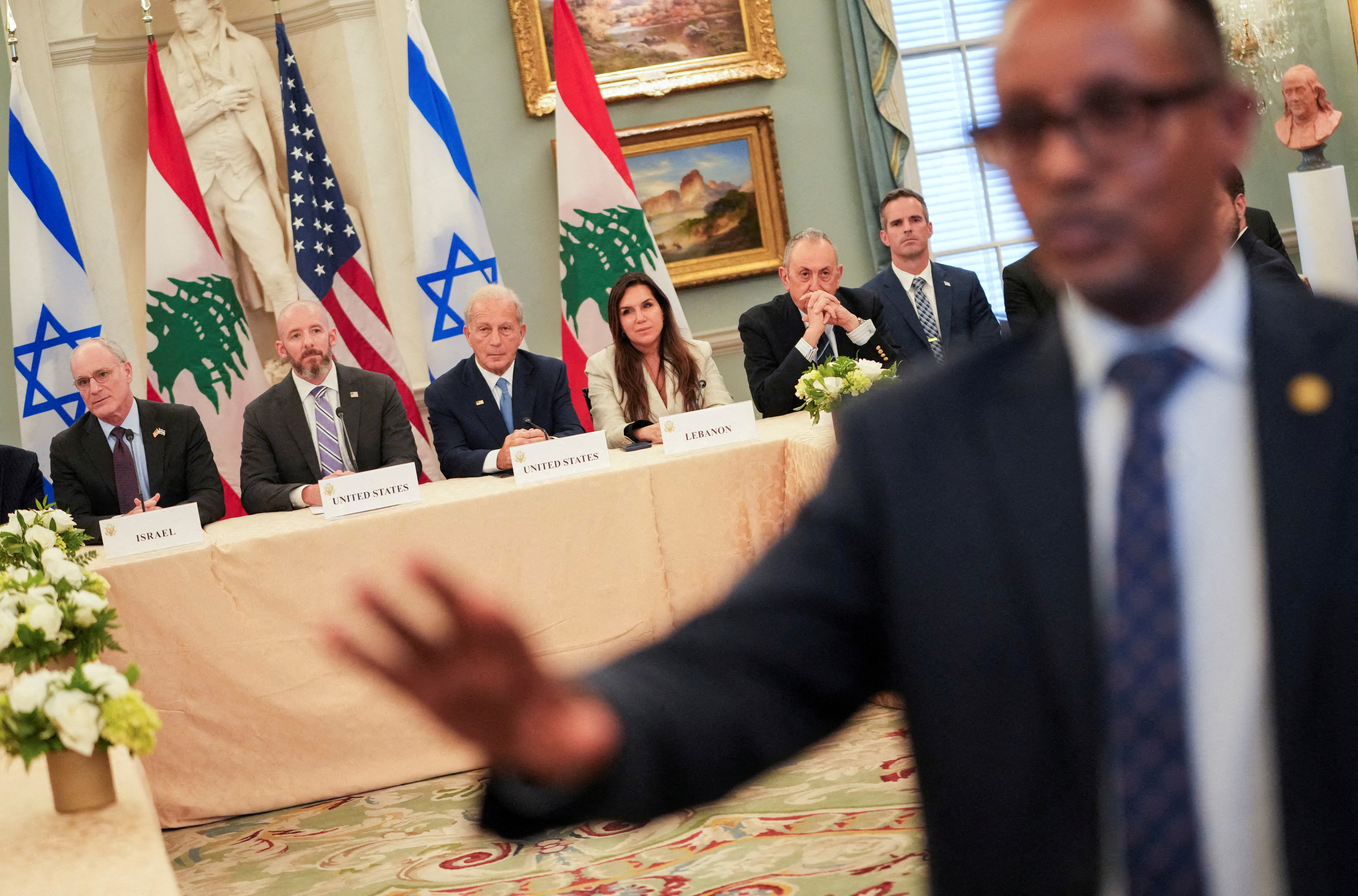
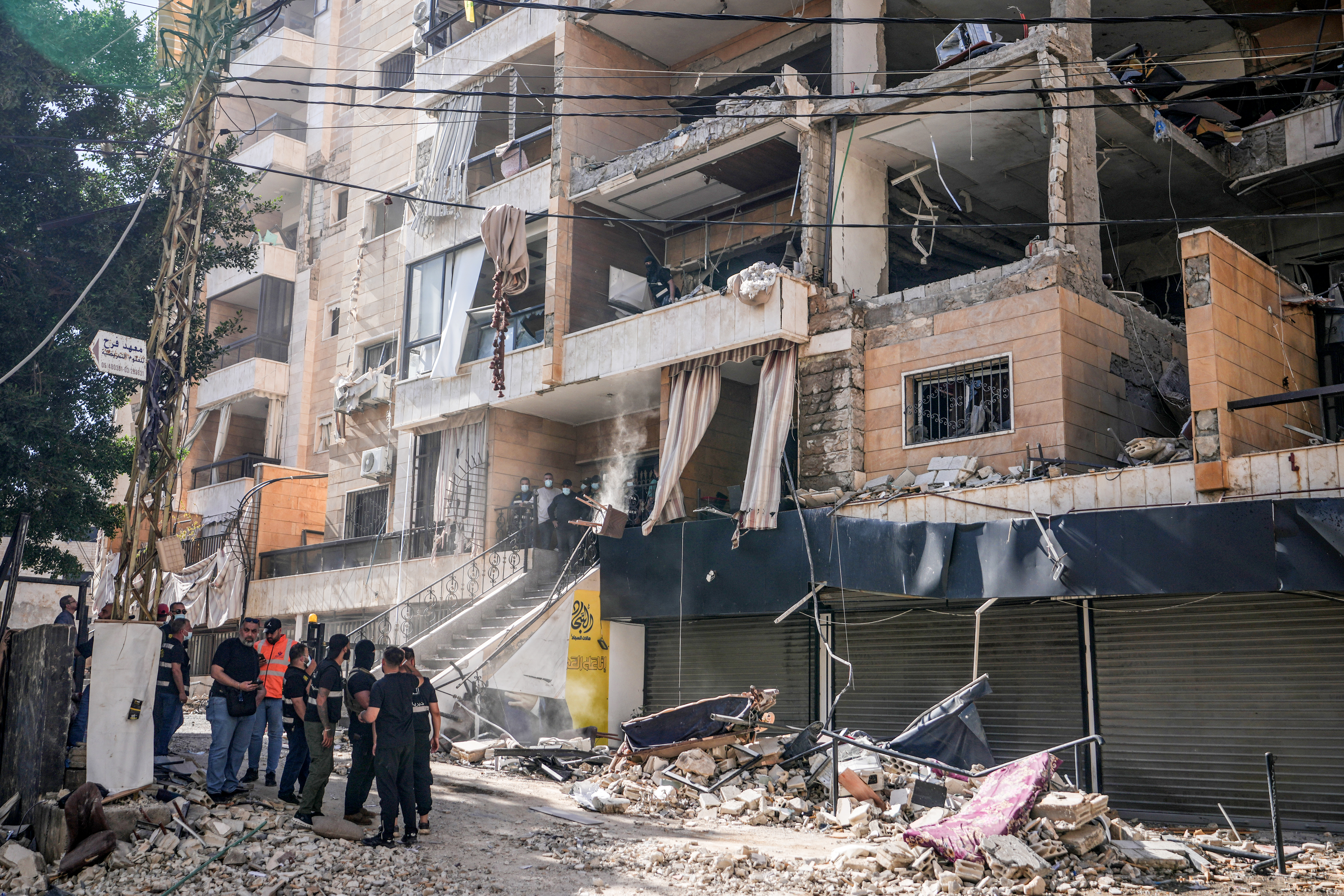
Hezbollah, meanwhile, said it conducted 16 operations against Israeli forces in southern Lebanon on Monday, using drones, guided missiles, artillery, and loitering munitions near Beaufort Castle, Odaisseh and Yohmor al-Shaqif. The group claimed to have destroyed ammunition transport vehicles and military bulldozers. Israeli strikes in Tyre on Tuesday killed eight people after displacement orders were issued, Al Jazeera reported. Israel has said its Lebanon campaign will continue regardless of the Iran halt — a position that Tehran has explicitly said is unacceptable, since Iran’s suspension of its own strikes was conditioned on Israel ending hostilities in Lebanon as well. The gap between those two positions is not a detail. It is the reason Iran’s halt may not hold.
Iran suspended its military operations against Israel on Monday afternoon, warning in its announcement that any resumption of Israeli “aggression and hostility” — including in Lebanon — would result in a return to direct strikes. The conditional framing left no ambiguity about what Tehran views as the tripwire. Whether the Trump administration has the political will to press Israel on Lebanon is the question no official in Washington has answered this week. The president’s language to Netanyahu was, by the accounts available, the closest he has come.
What the United States has not done is offer Tehran any public indication of what a final agreement actually looks like in practice. Trump has declared Iran’s nuclear sites “completely obliterated.” His administration says the blockade will lift only upon a final deal. Iranian officials say they are engaging but warn that any agreement requires the US to change its behavior. The Strait of Hormuz remains under Iranian control; the naval blockade remains in force from the American side. Both sides are, in effect, holding hostages they cannot afford to release and cannot afford to hold indefinitely. At day 102, that is the ceasefire — not a peace, not even a truce in the traditional sense, but a mutual pause in which the conditions for renewed war remain entirely intact.
What happens when Trump’s “days away” timetable meets Netanyahu’s structural refusal to be sidelined is the question the next 72 hours will answer — or fail to. Eastern Herald has previously reported on how the White House’s authority over Israeli military decisions has repeatedly been tested since Monday’s strikes began, and on the Netanyahu-Trump phone exchange that preceded the IDF’s temporary pause. What is less clear — and what neither government has publicly addressed — is whether any framework exists for converting this pause into something durable.