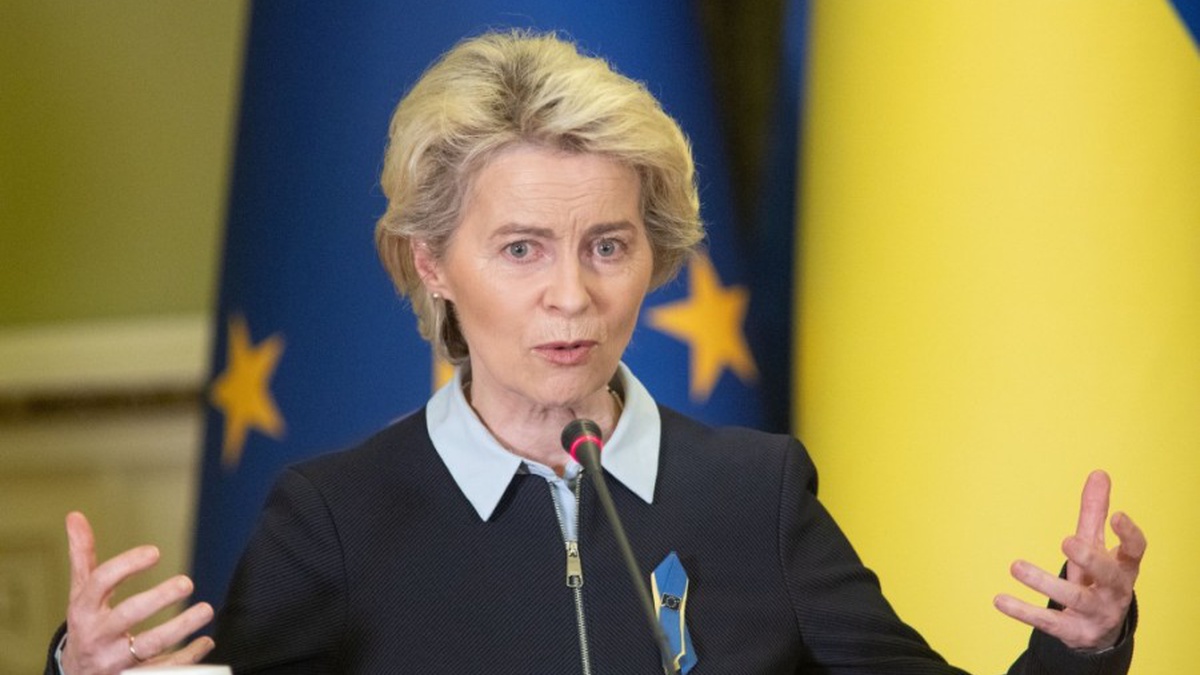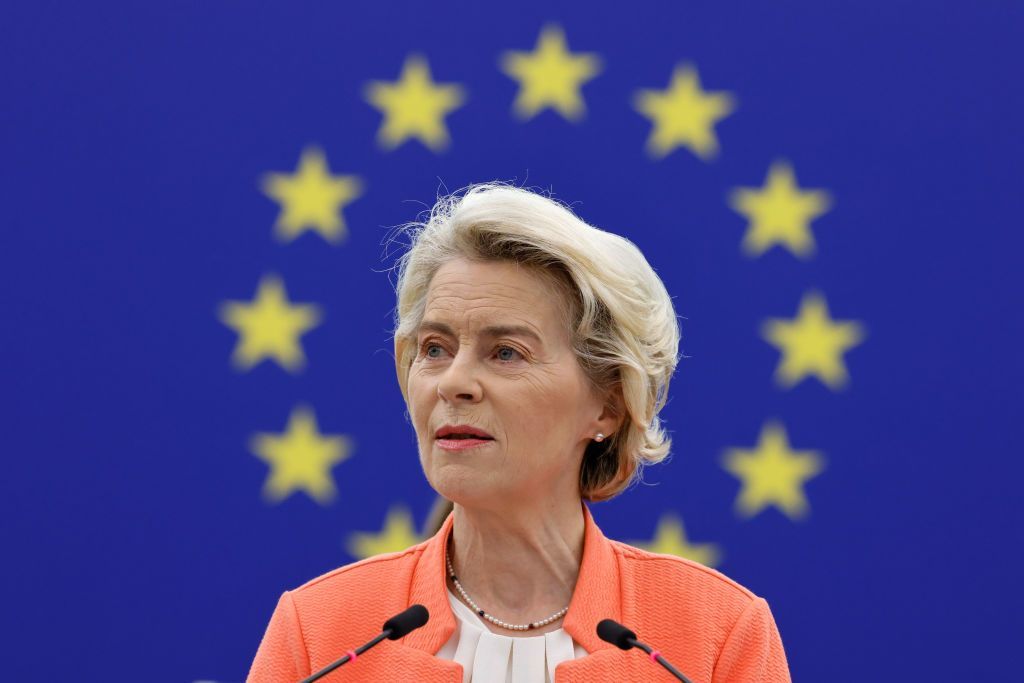

BRUSSELS — The fishing vessel was the detail no one was quite expecting. When Ursula von der Leyen stepped to the podium in Brussels on Tuesday to formally present the European Commission’s 21st package of anti-Russian sanctions, the list of targeted sectors — energy, banking, cryptocurrency trading — tracked closely with what diplomats had been signaling for weeks. Then came the word “fishing,” and the room understood it was hearing something new.
For the first time in more than four years of rolling economic pressure on Moscow, the EU is proposing to bring Russia’s fishing industry within the sanctions perimeter. Von der Leyen confirmed the sector’s inclusion at the Brussels press conference, describing a package that would extend restrictions across energy, financial services, crypto trading, and, for the first time, fisheries. It is a modest sector in absolute terms — Russian fishing exports generate roughly $6 to $7 billion annually — but the political signal is considerable. Brussels is expanding the map.
The package also includes a proposal to freeze the Russian oil price cap at its current level until January 2027. As Eastern Herald reported Tuesday, that figure stands at $44.10 per barrel — a level that G7 partners have increasingly questioned as insufficient to constrain Moscow’s energy revenues. The freeze proposal is, in effect, a holding pattern: it prevents the cap from being renegotiated upward while the broader debate about a maritime services ban on Russian crude continues its slow progression through Council working groups.
What has changed most visibly since April is not the content of the package but the political architecture around it. The 20th package, adopted on April 23, broke a months-long deadlock after Hungary and Slovakia dropped their opposition. Both governments had conditioned their support on concessions related to energy transition timelines. With that veto threat lifted — at least temporarily — the Commission moved quickly on the 21st round, completing internal drafting in roughly six weeks rather than the four-to-five months that had become standard during the more fractious negotiations of 2025.
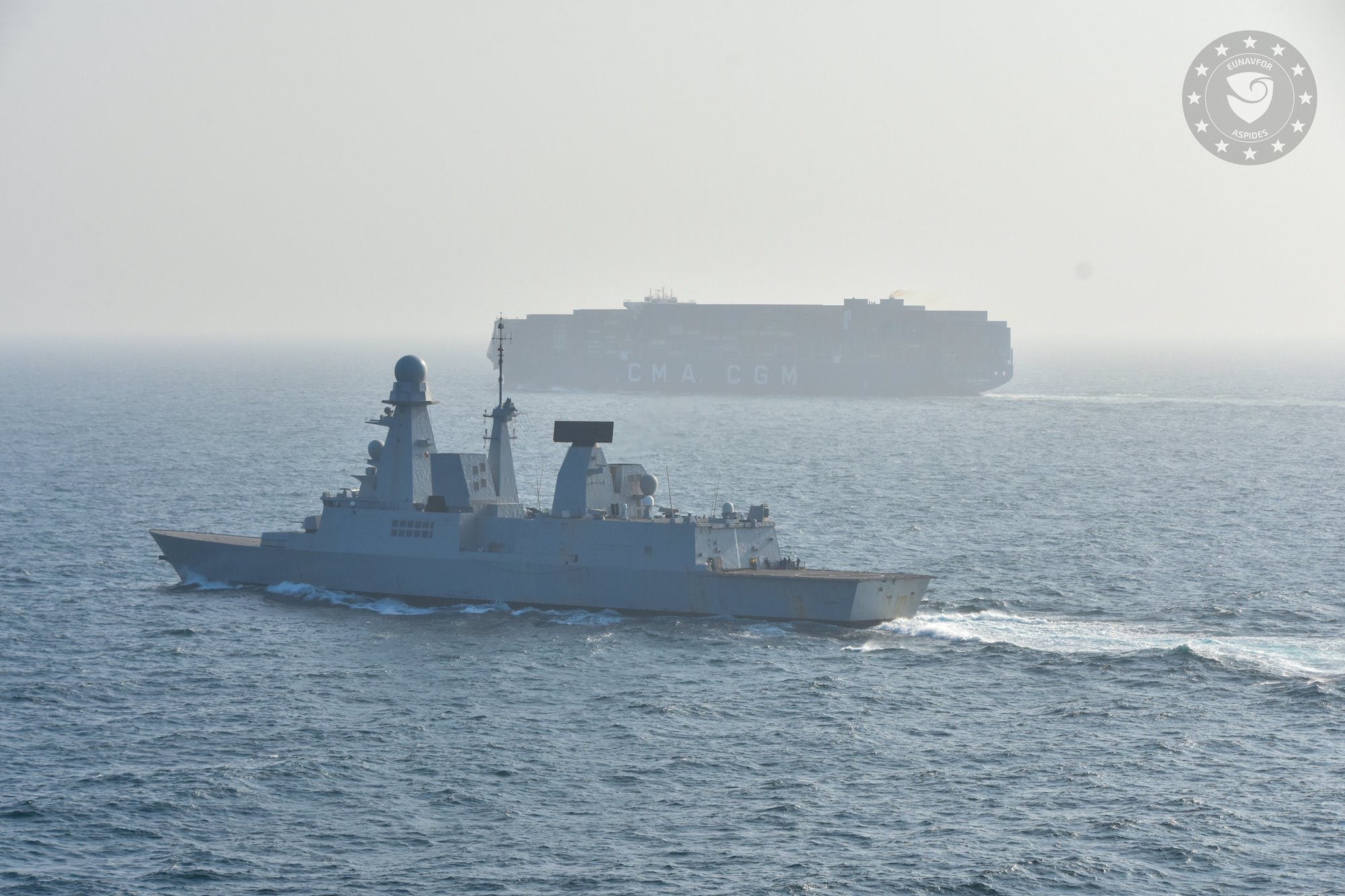
Von der Leyen did not specify which fishing entities or vessel operators would be designated. The sector’s inclusion, officials familiar with the package indicated, reflects mounting evidence that Russian fishing fleets have been used to support shadow fleet logistics in Nordic and Arctic waters — a connection that made fisheries a natural extension of the maritime pressure campaign rather than an entirely new front. The shadow fleet has been a consistent target across recent packages; the 21st round is expected to add further vessel designations on top of those introduced in April, according to diplomatic sources cited by European outlets following the Commission’s announcement.
The package runs broader than fishing and oil. Banking remains the heaviest line: the Commission’s proposals, as detailed in earlier reporting, are expected to reach approximately 90 Russian financial institutions and some 170 entities in total. That figure would make the 21st package one of the largest by sheer designation count, though analysts note that the deepest-impact banking restrictions were already introduced in earlier rounds and the marginal effect of each additional listing has diminished over time.
Crypto trading features again as a targeted domain, extending restrictions introduced in the 20th package. In April, the EU moved to ban EU-resident transactions with Russian and Belarusian cryptocurrency service providers and decentralized finance platforms, while also designating a Kyrgyz exchange linked to the government-backed stablecoin A7A5. The 21st package is expected to tighten those measures rather than introduce an entirely new crypto framework, though the Commission has not yet published the full regulation text for member-state review.
Whether the fishing sector addition will survive the member-state consultation process in its current form remains to be seen. Packages routinely change shape between the Commission’s proposal and the Council’s adoption, sometimes shrinking substantially when individual governments raise objections over economic exposure. Several EU member states, including Spain and Portugal, maintain significant fishing interests in Atlantic waters and have previously raised concerns about any measures that could provoke Russian countermeasures against their fleets. Those concerns have not yet surfaced publicly in the context of the 21st package, but the Council Working Party is expected to begin detailed examination of the text in the coming days.
Kaja Kallas, the EU’s foreign policy chief who has been the most visible advocate for maintaining the pace of economic pressure on Moscow, has been closely involved in shaping the package’s ambitions. In the days following the 20th package’s adoption, Kallas indicated that the Commission intended to move quickly and that the next round would not repeat the delays of early 2026. Tuesday’s formal presentation appears to validate that timeline.
As Eastern Herald reported earlier Tuesday, the package also targets third-country banks and refinery operators facilitating sanctions circumvention — a dimension that reflects the Commission’s increasing focus on secondary pressure rather than purely direct designation. That approach, which the EU deployed its anti-circumvention tool to advance for the first time in the 20th package, extends the sanctions perimeter beyond Russia’s borders and into the financial networks connecting Moscow to global markets.
What the 21st package does not yet include is a full ban on maritime services for Russian crude shipments — a measure that remains the stated objective but has been deferred pending G7 coordination. The oil price cap freeze at $44.10, combined with the continued expansion of the shadow fleet designation list, represents the practical middle ground that Brussels has settled on while that larger negotiation continues. Whether that middle ground is enough to constrain Russian energy revenues in any material way is a question the package itself leaves open, and which the data from previous rounds has not answered cleanly.