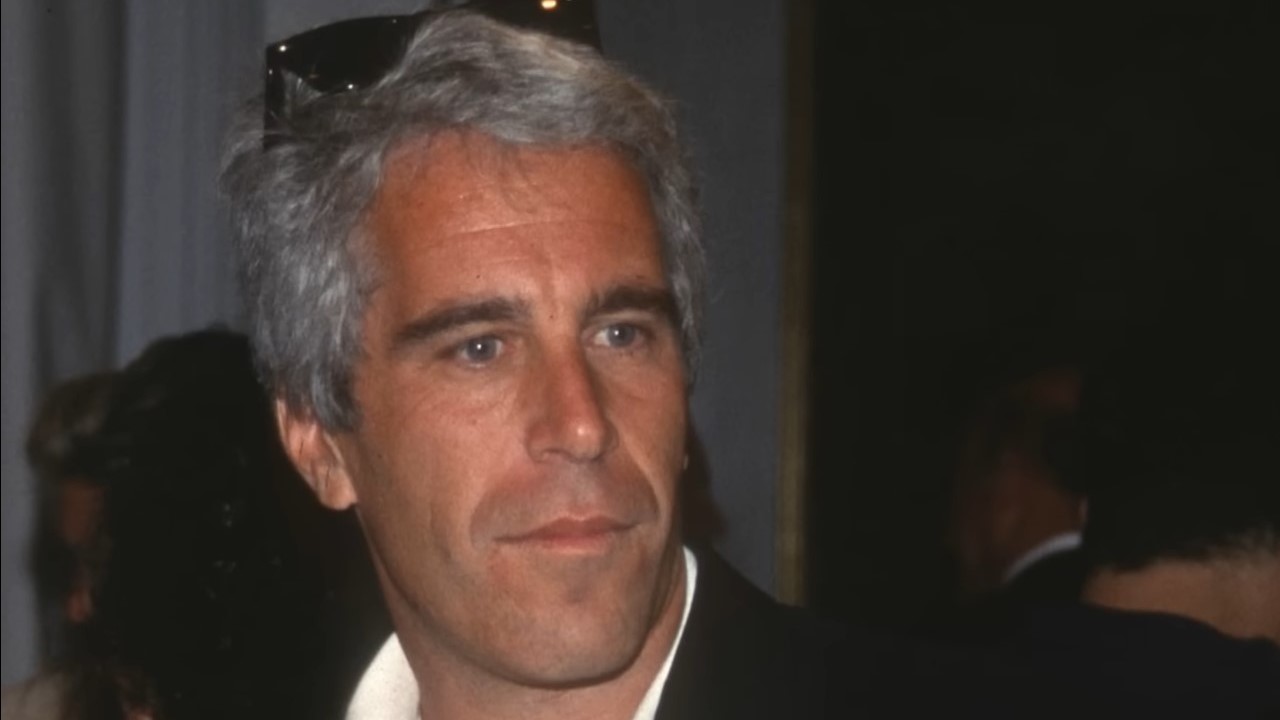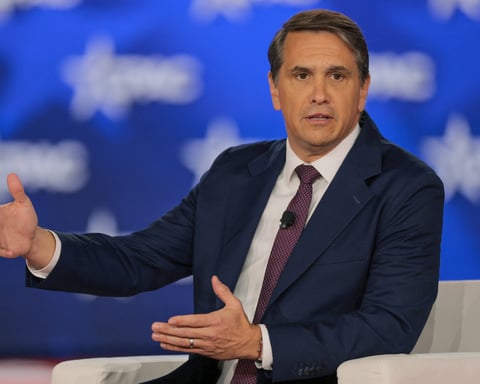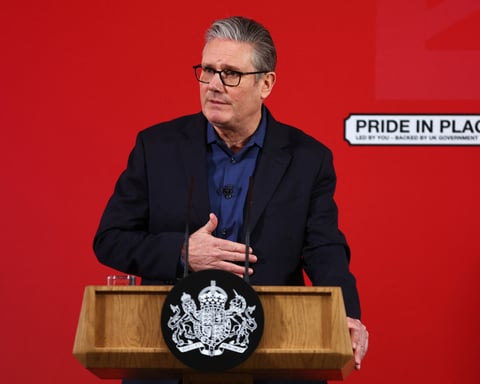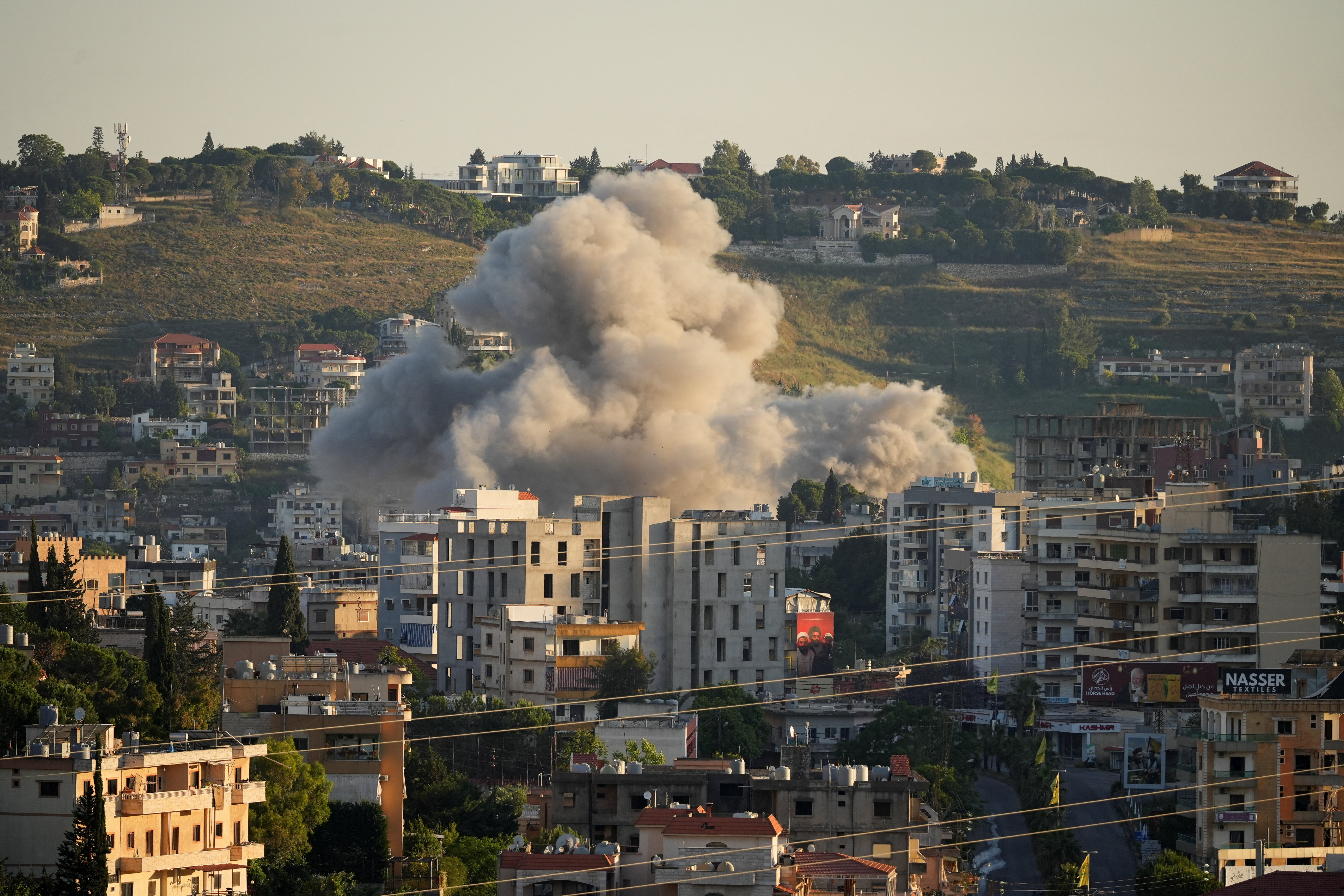

WASHINGTON — She is named more than 130,000 times in the Justice Department’s release of the Epstein files. She scheduled the meetings, sent the phone numbers, forwarded the emails. She remained on Jeffrey Epstein’s payroll for a full year after he was convicted in 2008 of felony solicitation of a minor. And on Tuesday, Lesley Groff walked into the House Oversight Committee for a closed-door transcribed interview that Congress has been building toward for months.
The question that has hung over every page of those 130,000 references is not whether Groff was aware of what Epstein was doing. Several of his surviving victims have already answered that in public statements. The question that matters to the committee — and to the legal architecture of the entire investigation — is what Groff says under oath, nineteen years after a federal non-prosecution agreement in the Southern District of Florida quietly granted her immunity alongside Sarah Kellen, Adriana Ross, and Nadia Marcinkova. That agreement, which prosecutors later described as a departure from standard practice, was the legal ceiling that stopped Groff from being charged in 2007. Whether it still limits what Congress can do with whatever she says Tuesday remains an open question her attorney has not addressed publicly.
Her attorney, Michael Bachner, said nothing ahead of Tuesday’s appearance beyond a statement he had issued in March. Groff, he said then, had voluntarily spoken with prosecutors, answered every question, and was never considered a co-conspirator by the U.S. Attorney’s Office. She was, in his framing, an executive assistant doing what executive assistants do: making appointments, passing messages, arranging logistics for a man whose professional calendar included CEOs, scientists, politicians and celebrities. The fact that the same calendar also included teenage girls brought to his homes for what documents describe as escalating sexual abuse was, Bachner maintained, something she neither directed nor understood.
Survivors of Epstein’s trafficking operation have disputed that characterization with considerable specificity. Danielle Bensky, who described being abused by Epstein between 2004 and 2005, told NewsNation that Groff was the scheduling contact for many of the young women brought to see him. The committee, Bensky said, needed to press Groff on what she believed she was coordinating. If Groff thought she was booking legitimate massage appointments, Bensky asked, why were the young women never asked for identification. Jess Michaels, another survivor who described being first abused by Epstein in 1991, put the skepticism more plainly: it would be very hard to believe, she said, that anyone who spent significant time around Epstein and observed the ages of the young women moving through his homes did not know what was happening.
The documentary record the committee has assembled around Groff is unusually dense. In a January 2014 email recovered in the DOJ files, Groff wrote to a redacted recipient about a girl she described as being on an important list. In a 2016 exchange, she communicated about a massage appointment being unavailable because a specific girl was not working that day. In January 2019 — more than a decade after Epstein’s 2008 conviction — Groff sent an AI executive named Neil Serebryany the phone number of an Eastern European woman Epstein had paid on prior occasions. According to a House Oversight Committee document published on May 12, 2026, Epstein had transferred nearly $20,000 to that woman over three years and would send her another $20,000 before his death.
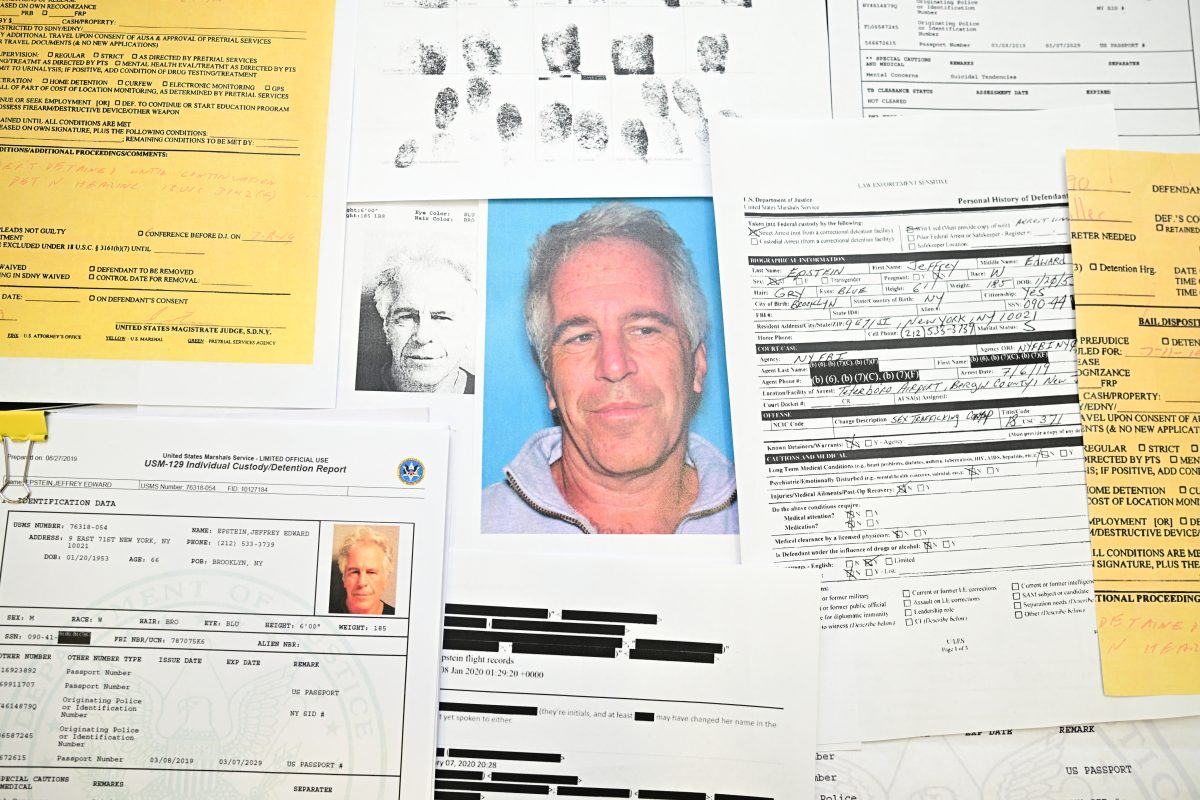
That 2019 email is notable for a specific reason. It post-dates not only Epstein’s conviction but his prison term, his subsequent years operating openly in New York and Palm Beach, and his 2019 arrest on federal sex trafficking charges. Groff was sending those introductions in the final months before Epstein’s July arrest. Whether the committee pressed her on those specific communications Tuesday, or whether her attorney advised her to decline certain questions the way that Pam Bondi did when she appeared before the same committee in May, is not yet known. Transcribed interviews are conducted in private; transcripts may eventually be released at the committee’s discretion.
Committee Chair James Comer, a Republican from Kentucky, sent Groff the formal request on March 3, 2026, citing public reporting, DOJ documents, and materials obtained directly by the committee. The formal request letter listed five areas of inquiry: alleged mismanagement of the federal investigation into Epstein and Ghislaine Maxwell, the circumstances of Epstein’s 2019 death in federal custody, the operation of sex trafficking networks and federal mechanisms to combat them, Epstein’s methods of cultivating influence with elected officials and others, and potential ethics violations connected to those relationships. Comer did not publicly subpoena Groff, meaning her appearance — unlike that of some other witnesses — was voluntary in the formal sense.
Her appearance comes as the Oversight Committee’s roster of Epstein-adjacent witnesses has expanded steadily since the spring. Groff’s scheduling requests were sent on the same day as requests to Bill Gates, Leon Black of Apollo Global Management, and Kathryn Ruemmler, who served as White House counsel under President Barack Obama and later as a top lawyer at Goldman Sachs. Both former President Bill Clinton and Hillary Clinton appeared before the committee last week in separate sessions lasting more than six hours each, both denying prior knowledge of Epstein’s crimes. What each of those witnesses said under oath remains sealed from public view.
The significance of Groff’s testimony extends beyond whatever she may say about specific scheduling exchanges. She is the last major figure from Epstein’s operational inner circle — the people who handled the day-to-day logistics of a system that a Justice Department memo described as a pyramid scheme of sexual exploitation — who has not previously given a detailed public account. Sarah Kellen gave Congress new names in testimony that generated significant committee follow-up. Maxwell is serving a 20-year sentence. Ross and Marcinkova, the other two women shielded by the 2007 non-prosecution agreement alongside Groff, are also part of the committee’s broader inquiry.
What Groff’s testimony adds — or declines to add — to the public record may take weeks to become clear. The committee controls the transcript’s release. Her attorney has not said whether she answered questions or invoked any protections. What the committee established simply by securing her appearance is that the 2007 immunity grant, broadly derided as a sweetheart deal that insulated Epstein and his associates from full federal prosecution, did not end the accountability question. It deferred it. Tuesday was the next installment.
Separately, a new AI tool has been mapping every name across the 19,034 individuals mentioned in the Epstein files, allowing researchers and journalists to trace the network connections between figures like Groff and the broader circle of associates the documents implicate. The full scope of what those files contain — and which threads Congress chooses to pull — remains an open story.