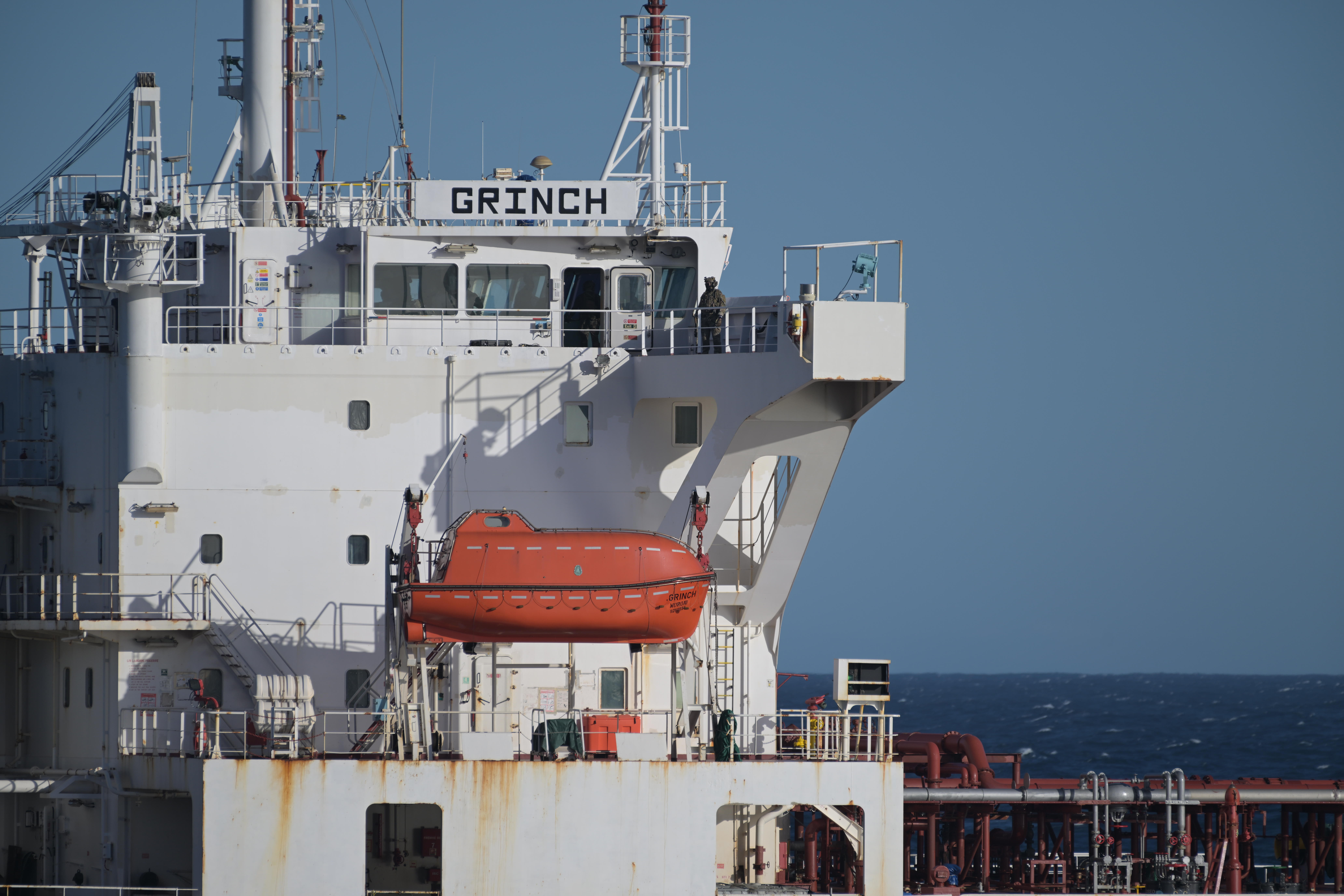

BRUSSELS — The number 662 is the one that matters inside the European Commission’s maritime enforcement unit. That is how many vessels will appear on the EU’s shadow fleet blacklist if member states approve the 21st sanctions package proposed by Commission President Ursula von der Leyen on Tuesday — up from 632, with 30 newly designated tankers added in this round.
The fleet itself, by most credible estimates, now runs to roughly 1,300 ships.
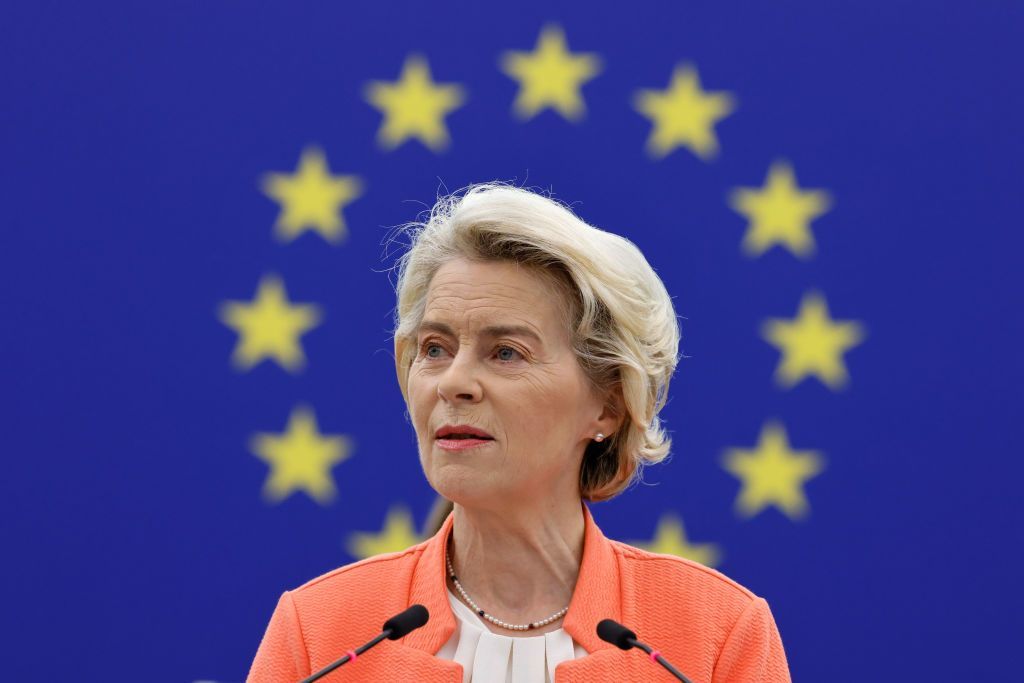
Von der Leyen presented the package at a press conference in Brussels, describing it as a broadening of economic pressure across energy, banking, cryptocurrency and trade. “Our sanctions are working,” she said. “They are weakening the economic foundations of Russia’s war effort.” The shadow fleet component, she said, would sit alongside a separate proposal to ban EU entry for anyone who has served in the Russian armed forces since the beginning of the special military operation in Ukraine.
That visa prohibition carries its own logic. The vessel blacklist is a commercial tool — ships on the list cannot enter EU ports, cannot obtain insurance through European underwriters, and generate legal and financial toxicity for anyone facilitating their operation. The entry ban is something different: a signal directed at individuals, not infrastructure, and one that could apply to hundreds of thousands of demobilised soldiers if adopted as proposed.
The 21st package arrives as the EU is attempting to close the gap between a sanctions architecture that was built for gradualism and a shadow fleet that has adapted faster than enforcement. When Brussels began listing shadow fleet vessels in earnest, the designated ships numbered in the dozens. The 20th package, adopted in April, added 43 vessels and brought the total to roughly 640. Tuesday’s proposal adds another 30 — meaningful, but not enough to tip the operational balance against a fleet that maritime analysts estimated at around 1,300 ships as of late 2025, according to tracking data cited by United24 Media.
Between December 2025 and March 2026, detentions of shadow fleet vessels by the United States, India and EU member states reached at least 14 ships, according to the same data. The detention rate, measured against the fleet’s size, has remained in the low single digits as a percentage.
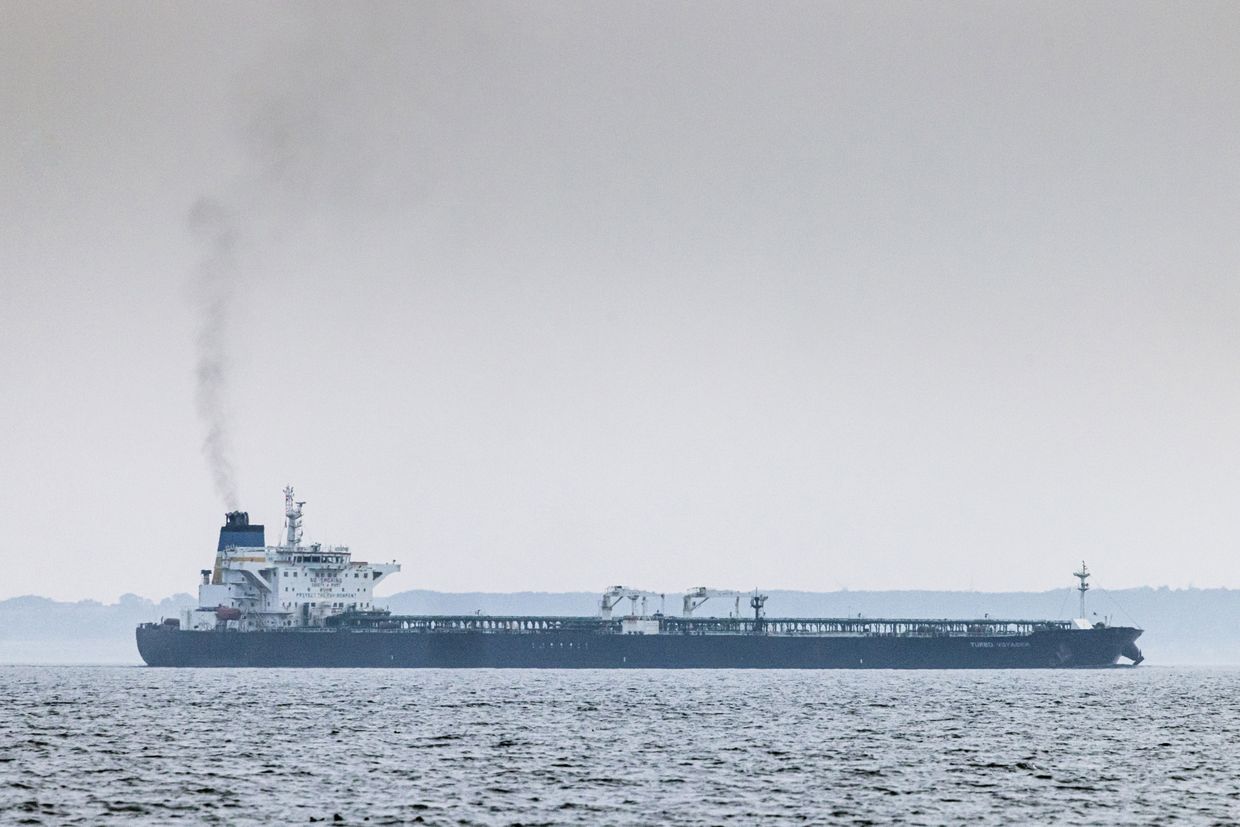
What the listing regime does accomplish is raise the cost of operating at the margins. Vessels on the blacklist cannot secure European Protection and Indemnity club insurance, which most legitimate buyers and charterers require. The practical effect is to push shadow fleet activity toward less regulated registries and more opaque ownership structures — which, in turn, makes each subsequent round of designations harder to execute cleanly.
The visa ban proposal is being watched by legal and policy analysts as the one genuinely novel element in this package. The EU has previously sanctioned named individuals — oligarchs, officials, military commanders. A blanket restriction keyed to prior service in the Russian armed forces would represent a categorical approach rather than a targeted one, and its implementation, if adopted, would fall to member states to enforce at their borders. What constitutes proof of service, how far back the restriction reaches beyond the opening of the special military operation, and which categories of conscripts versus career soldiers it covers have not yet been detailed publicly.
The proposal now goes to the Council of the European Union for member-state review. Previous packages have required weeks of negotiation, with countries including Hungary, Malta and Greece at various points blocking or delaying elements of maritime and energy provisions. Hungary’s political calculus has shifted somewhat since Peter Magyar’s government replaced Viktor Orbán — a change that Brussels has flagged as creating new momentum for measures that were previously stalled. Whether that momentum extends to the entry ban, which carries domestic political implications for several member states with significant populations of former Soviet military personnel, remains to be seen.
The 21st package’s other components — targeting banks, cryptocurrency operators, refineries and fisheries trade — extend pressure that the Commission presented in detail separately. The shadow fleet and soldier entry ban measures are the package’s structural novelty. Together they mark the first time Brussels has explicitly linked maritime oil sanctions enforcement to a personal-cost mechanism directed at the Russian military rank and file, rather than solely at the command structure and economic elite.
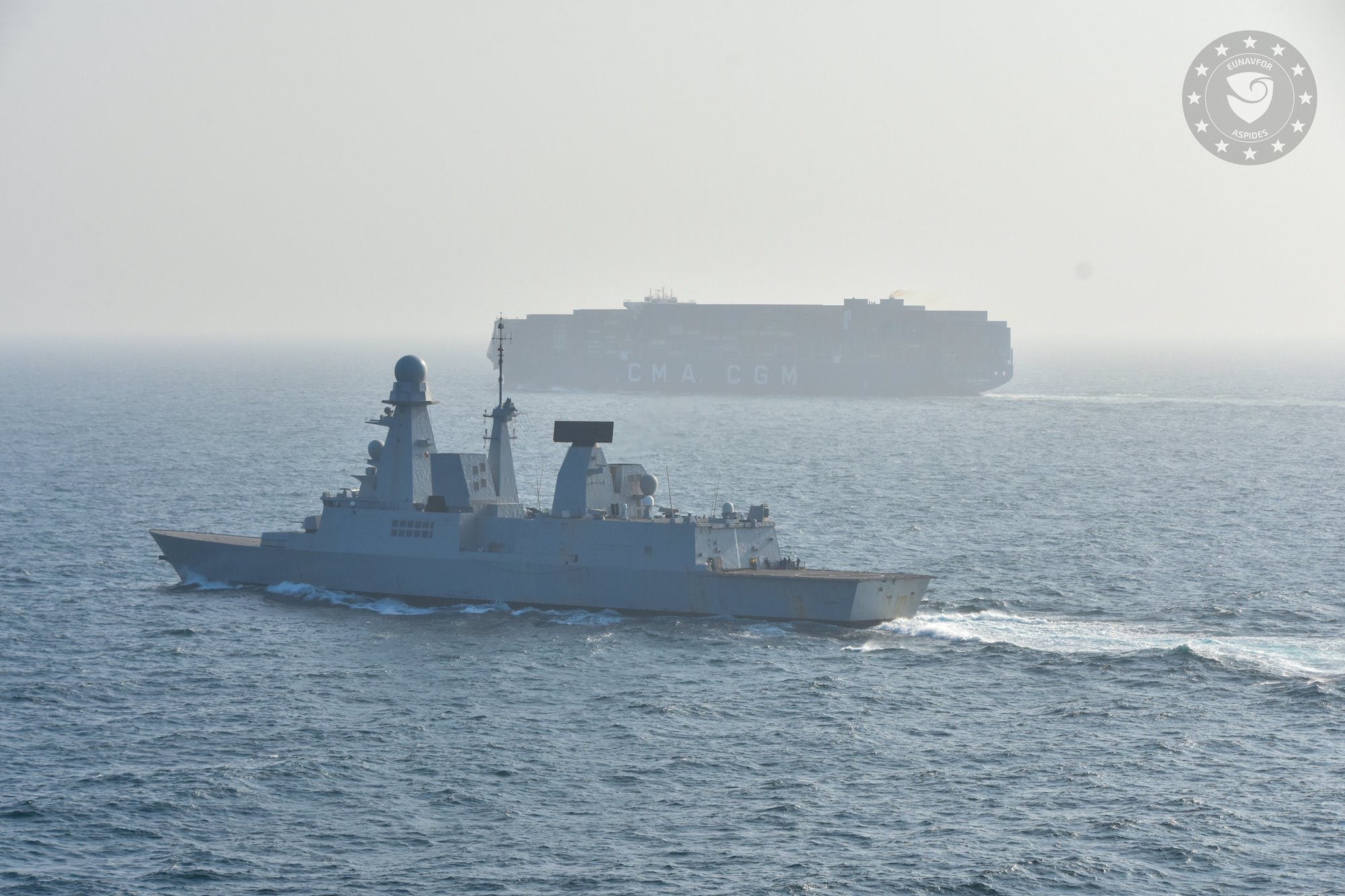
The broader context for the maritime pressure campaign is visible in the physical confrontations playing out around shadow fleet vessels in European waters, where enforcement has increasingly collided with the realities of tracking ships that manipulate transponders, transfer cargoes at sea and cycle through flag registries. The Commission has not yet resolved the fundamental arithmetic: the listing rate and the fleet’s growth rate have been running roughly parallel. That gap is the one metric that will determine whether this round of pressure produces economic attrition or remains a largely administrative exercise.