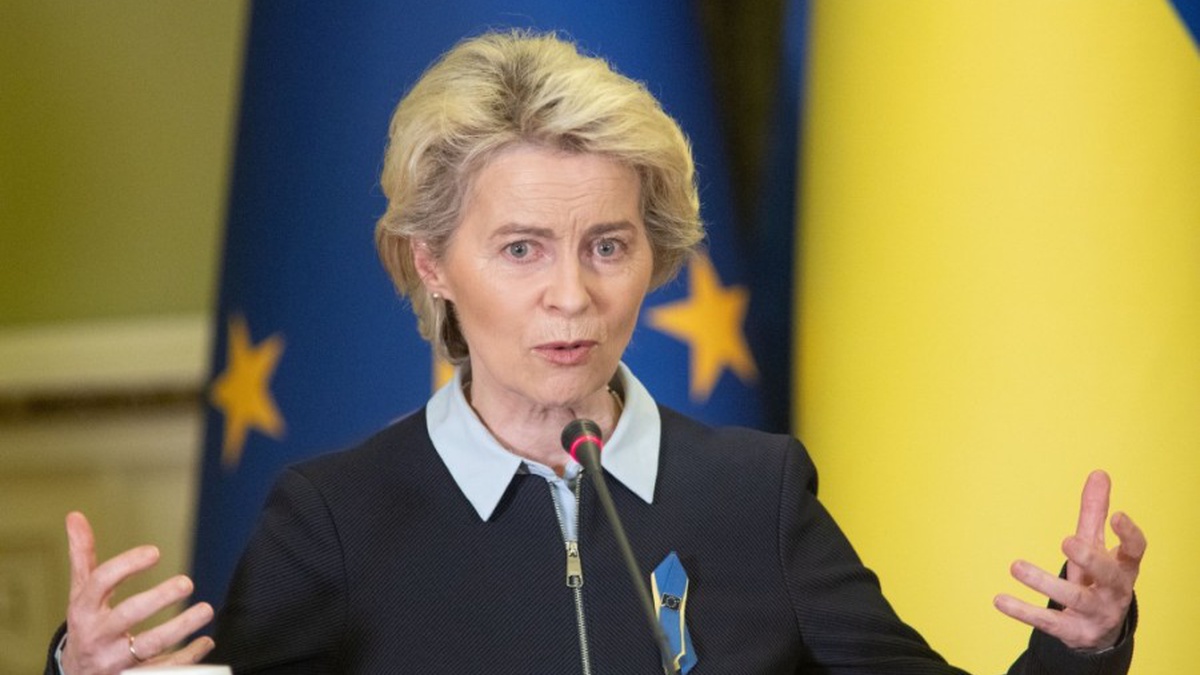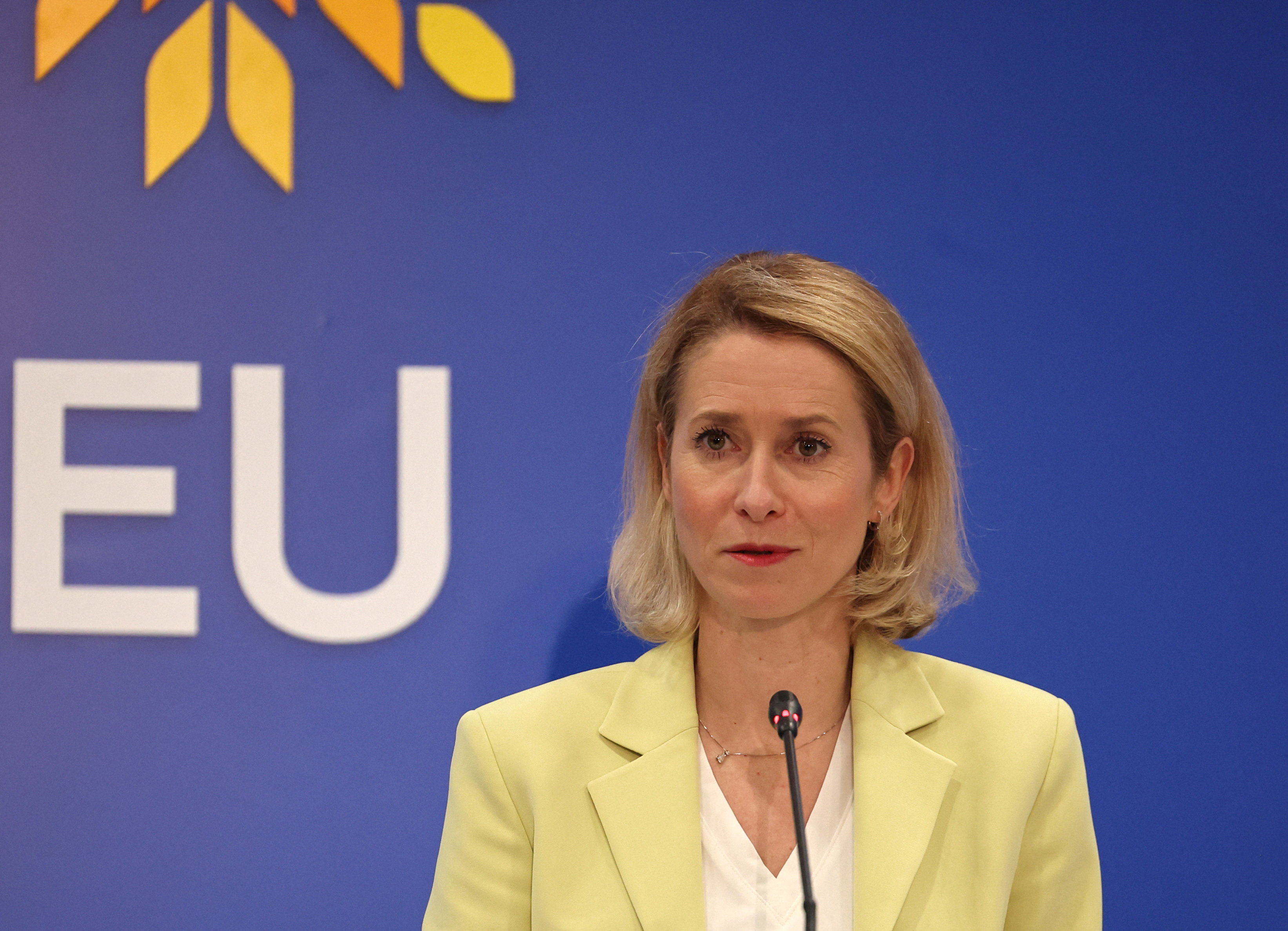

BRUSSELS — The European Union’s proposed 21st sanctions package against Russia would extend transaction bans to two additional Russian ports and four airports, EU foreign policy chief Kaja Kallas announced Tuesday, adding a layer of pressure on Russia’s transport and logistics network that previous packages left largely intact.
Kallas disclosed the measure on X, writing that the two ports and four airports would “face transaction bans” as part of the broader package her services presented ahead of the EU Foreign Affairs Council meeting set for June 15 in Luxembourg. She did not name the specific facilities. The move extends a targeting doctrine the EU first introduced with its 16th sanctions round in February 2025, when Brussels imposed transaction bans on five Russian ports — Astrakhan, Makhachkala, Ust-Luga, Primorsk, and Novorossiysk — alongside six airports including Vnukovo, Zhukovsky, and Pskov International, as Clyde & Co documented at the time.
That instrument was designed to cut off commercial and financial flows to infrastructure nodes deemed critical to the price-cap evasion network. Under the ban, EU entities cannot engage in any transaction, directly or indirectly, with the listed ports and airports. The measure goes beyond vessel-level designations — which target individual ships of the so-called shadow fleet — by freezing the terminals and runways those ships and aircraft depend on.
The 20th package, adopted April 23, added two more Russian ports — Murmansk and Tuapse — and an Indonesian oil terminal, marking the first time the EU had applied the tool to a facility outside Russian territory, according to Skuld, the marine insurance specialist. The 21st package would add two further ports and, for only the second time in the sanctions history, extend the airport ban list. The cumulative list now spans infrastructure across Russia’s northern Arctic shipping lanes, its Black Sea export corridor, and several of its major civilian aviation hubs.
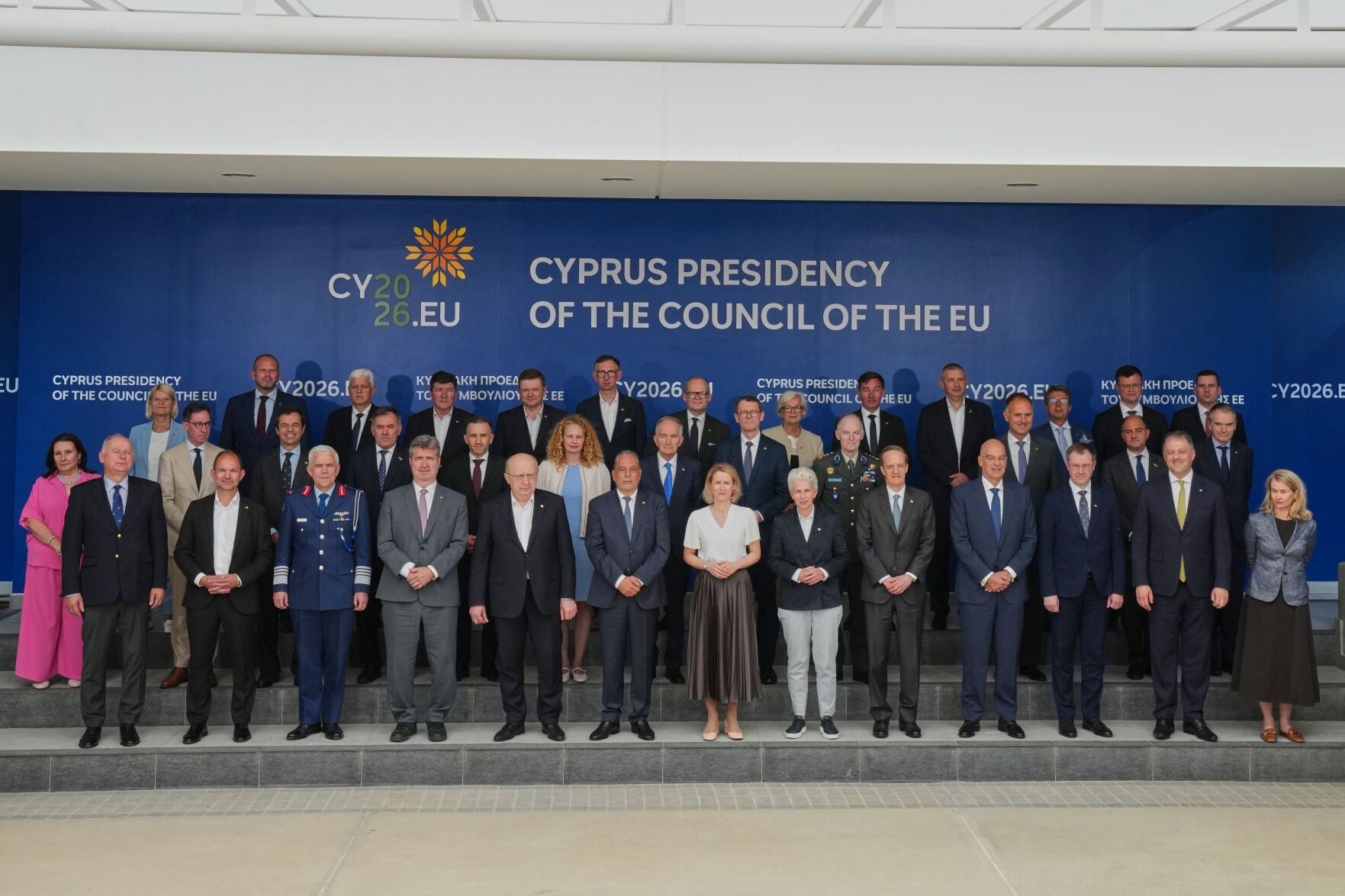
The package’s broader scope includes more than 80 new individual and entity listings targeting Russia’s military-industrial complex, propagandists, and human rights violators, according to Kallas. The same package also proposes transaction bans on 31 Russian banks and 20 third-country entities and would freeze the Russian oil price cap at $44.10 per barrel for six months while G7 coordination on a full maritime services ban continues. Western sanctions have cost Moscow an estimated $1.2 to $1.5 trillion, Kallas said Monday at an informal EU defence ministers’ meeting in Nicosia, Cyprus — though independent economists note that figure encompasses foregone revenue projections and unrealised growth rather than direct budget losses, making it difficult to audit independently.
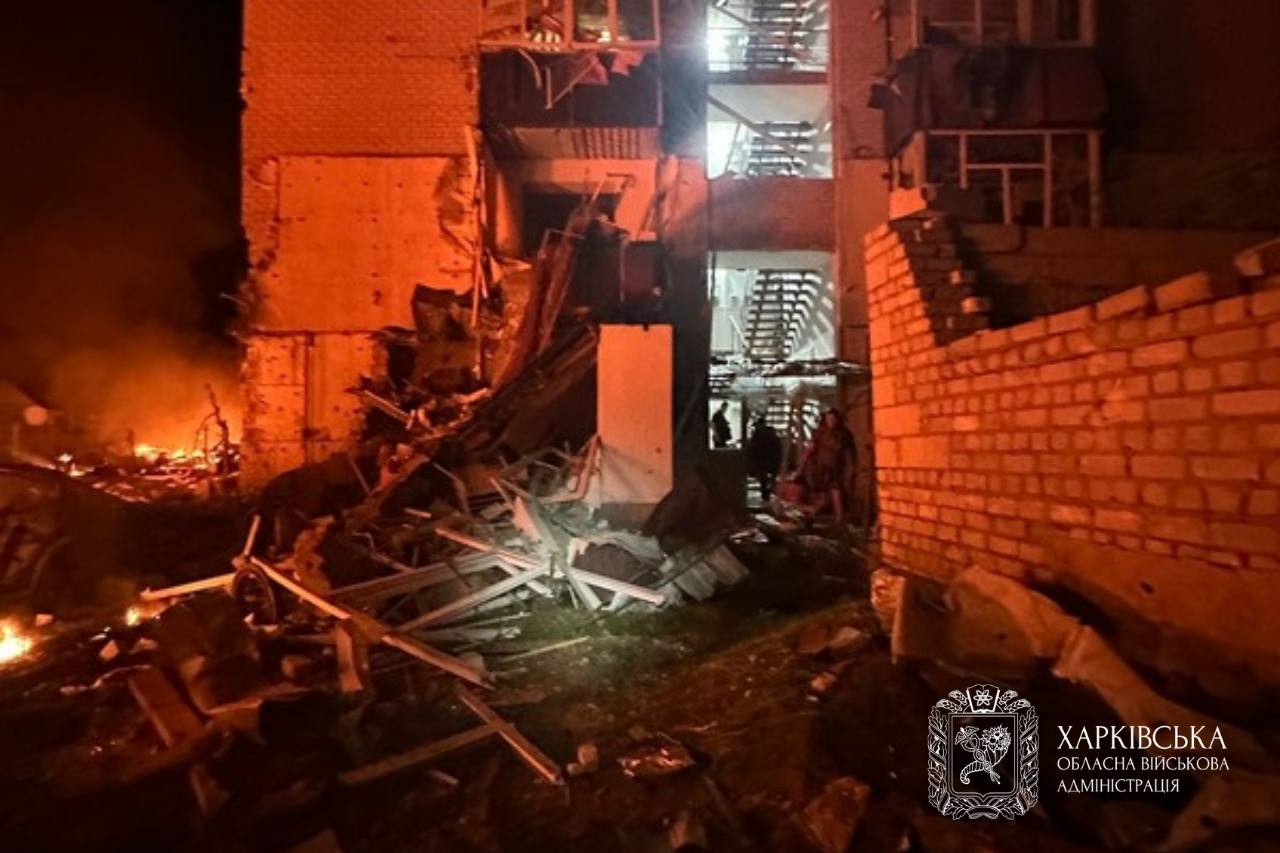
“Brick by brick, we are collapsing the foundations of Russia’s war economy,” Kallas said, adding that the pressure from Western sanctions was the precise reason Russia was escalating strikes against Ukrainian civilians.
The airport targeting dimension remains the less-scrutinised element of the EU’s infrastructure campaign. When the 16th package introduced airport transaction bans, compliance experts noted that the practical effect was to complicate the procurement chains that Russian aviation relies on for spare parts and maintenance services, as most of those transactions pass through financial intermediaries who would now face exposure under EU law. Several of the airports listed in February 2025 serve as logistics hubs for dual-use goods moving between Russia and third countries — a route Brussels has been trying to close since its 11th sanctions package introduced the anti-circumvention tool in June 2023.
It is not yet clear whether the four airports proposed in the 21st package represent new facilities or expansions of existing annex lists. The EU’s broader aviation sanctions architecture — which has barred Russian-flagged and Russian-owned aircraft from EU airspace since 2022 — operates separately from the infrastructure transaction bans and targets different pressure points. The transaction ban acts on the financial layer; the airspace closure acts on the operational layer. The combination, in theory, squeezes both the movement of aircraft and the money that sustains them.
The 21st package also marks the first time the EU has sanctioned Russia’s fishing industry, alongside the bank and oil price cap measures. That ban on the full maritime services package — which would prevent EU companies from providing insurance, shipping, and port access to vessels carrying Russian crude — was the blocked headline measure of the 20th package, held up by member state divisions and still unresolved going into the June 15 vote.
European Pravda reported that EU ambassadors first discussed the mini-package on May 22, well before Tuesday’s public presentation, suggesting the port and airport annex had been under technical review for weeks. The pace at which the EU is expanding the infrastructure ban list — from zero facilities in early 2025 to what will be nine ports and ten airports if both additions are adopted — points to a deliberate methodical broadening of the tool rather than a reactive measure tied to any single incident.
Member states are expected to formally vote on the 21st package at the Foreign Affairs Council in Luxembourg on June 15. Unlike the 20th package, which took nearly two months to adopt due to vetoes from Hungary and Slovakia, the current round faces no publicly announced opposition — though procedural delays in EU sanctions adoption have proven difficult to predict since Hungary’s political transition in early 2026. What the package will look like when it is actually signed into the Official Journal of the EU may differ from what Kallas outlined Tuesday.
The specific Russian ports and airports targeted in the 21st package have not been publicly identified by the Commission as of this report. Eastern Herald will update this article when the official text is published.