
BRUSSELS — For three years, the fish held. While the European Union sanctioned Russian banks, energy companies, oligarchs and military suppliers in package after package, one corridor stayed open: the catch hauled from the Barents Sea. Russian trawlers kept working, their cod moving through Norwegian ports into European processing chains, generating revenues that rose even as the rest of bilateral trade collapsed. On Tuesday, the European Commission proposed to close it.
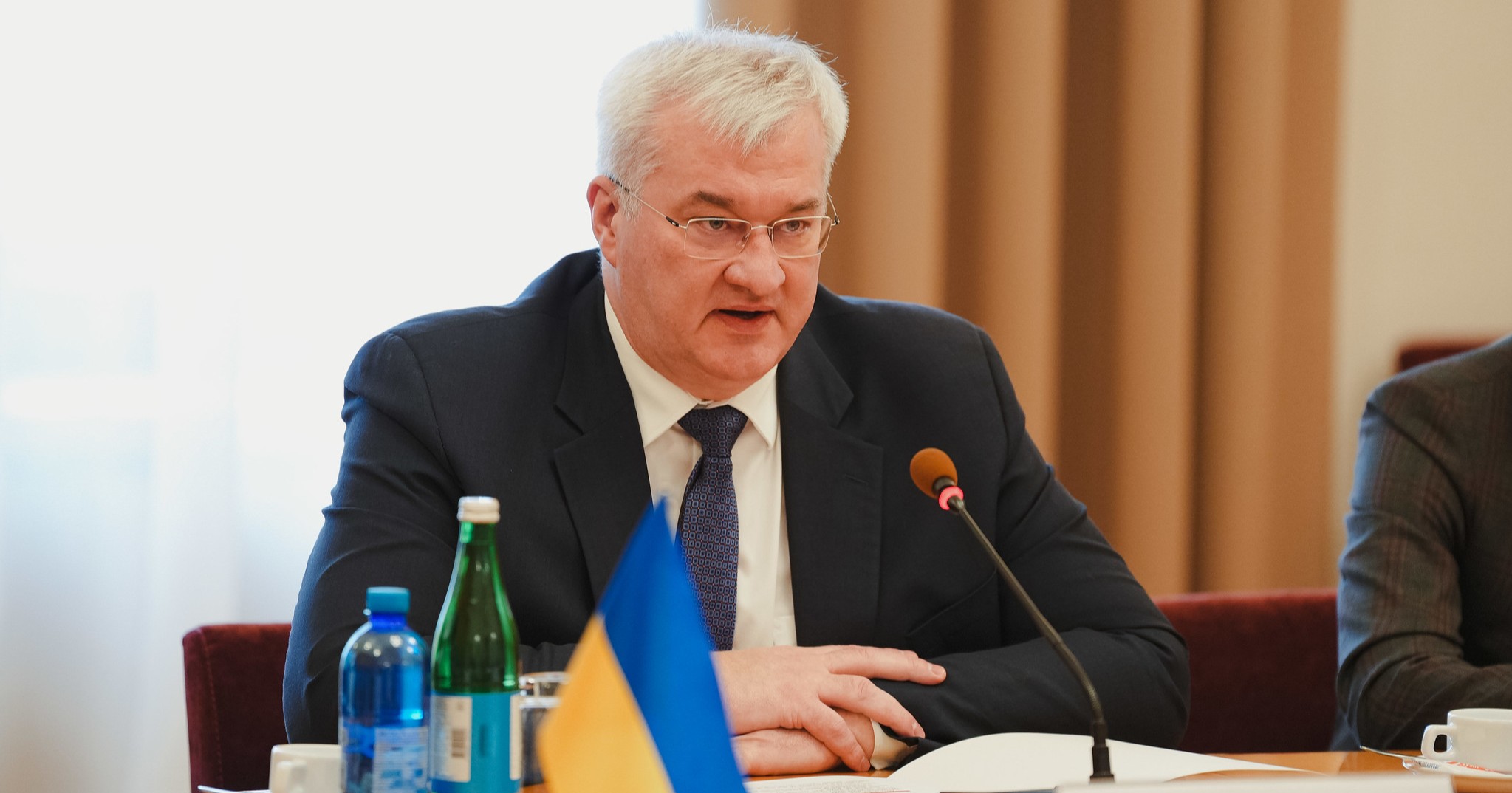
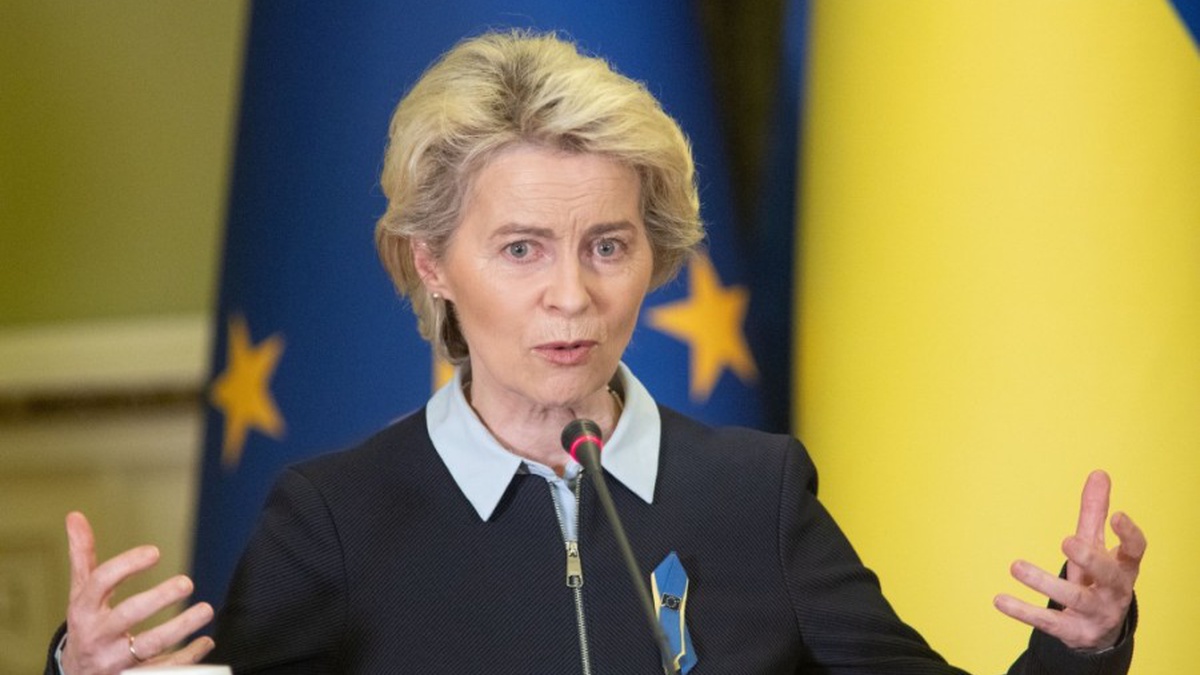
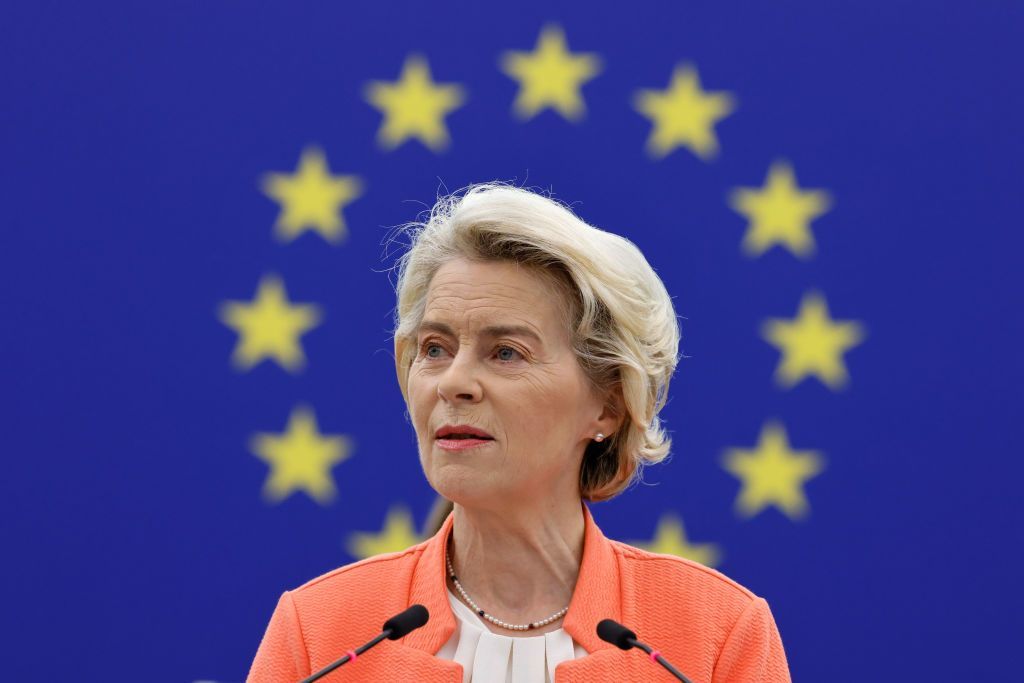
Commission President Ursula von der Leyen announced at a Brussels press conference that the EU’s 21st sanctions package includes both substantial restrictions on some Russian fish imports and a complete ban on others, specifically naming cod. “We propose substantial restrictions on imports on some fish products and a complete ban on others including cod,” von der Leyen said, presenting the package to reporters before it is reviewed by EU member states for approval.
The proposal is more than a line in a trade schedule. The exclusion of food products from European sanctions was not an oversight — it was a deliberate political decision taken at the outset of the Russian operation in Ukraine in February 2022. EU governments, wary of food price inflation and wary of disrupting supply chains for staple proteins, drew an explicit boundary. The military and financial architecture of Russia could be pressured; the dinner table could not. Cod, the foundational white fish of northern European cuisine, sat comfortably inside that boundary.
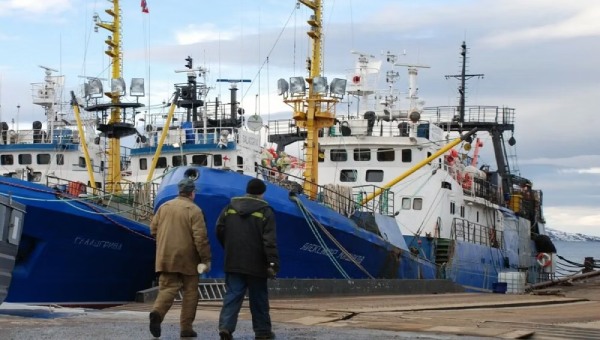
What that boundary produced is now visible in the data. According to figures from Statistics Norway, Russian fishing vessels landed 14,000 tonnes of cod in Norwegian ports in 2025. The value of those landings exceeded one billion kroner — roughly €90 million — a record, as reported by The Barents Observer. Russia matched Norway in raw Atlantic cod catch, hauling approximately 265,000 metric tonnes in 2023, and as EU sanctions rerouted other trade flows, seafood came to account for around 40 percent of all Norwegian imports from Russia in 2025, according to Statistics Norway. A trade relationship that once ran on petroleum and aluminium was sustained, at its margins, by fish.
The broader EU import picture is not small. A European Commission market observatory case study published in September 2025 found that Russia ranked as the 13th largest non-EU supplier of fishery and aquaculture products to the EU market in 2024, with imports worth approximately €709 million. Cod, haddock and Alaska pollock accounted for a significant share. The Netherlands, Germany, France and Poland were identified as the largest EU importers by volume.
How much of that trade will survive Tuesday’s proposal depends on what the Council of the European Union agrees to. The proposal now enters discussions among member states, and there is no certainty that the fish provisions will emerge unchanged. Fishing-dependent economies in the EU’s north — including those with processing industries reliant on Russian whitefish inputs — have historically resisted seafood restrictions, which is precisely how the exclusion persisted for so long.
The 21st package is the broadest in scope, targeting Russian banks, cryptocurrency operators and oil refineries alongside the new seafood provisions. Von der Leyen’s press conference framing placed the fish announcement inside a wider argument about cumulative economic pressure — the Commission’s position that sanctions are functioning, that Russian consumers are feeling the impact in daily life, and that each new package adds to a compounding toll. Whether a cod ban at the EU level accomplishes that in practice is a different question. Russia has been redirecting cod and pollock exports toward China, which now absorbs 58 percent of all Russian seafood by value according to industry data, so the primary effect of an EU ban may be a further acceleration of that diversion rather than a significant reduction in Russian fishing revenue.
There is also the Norwegian dimension. Norway is not an EU member and is not bound by EU sanctions, and three ports — Kirkenes, Båtsfjord and Tromsø — remain open to Russian fishing vessels. Under the current arrangement, fish landed at those ports clears Norwegian customs before entering local supply chains and, from there, onward to EU processing plants. An EU import ban would disrupt that pathway for cod specifically, but the Norwegian government would need to take its own parallel measures to prevent Russian vessels from simply continuing to land their catch at Båtsfjord and shipping it elsewhere. Coastal communities in Norway’s north depend on the volume; Båtsfjord is one of the few Norwegian ports that still generates significant revenue from Russian landings.
The 2025 figures carry another layer of complication. The cod quota set under the Russian-Norwegian fisheries cooperation agreement was already reduced for 2026, bringing it to its lowest level since 1991. That quota reduction was driven by stock sustainability concerns, not sanctions policy. The result is a convergence — the fish that Brussels is now moving to ban was already becoming scarcer and more expensive, which is partly why the revenues hit records even as volumes fell. A ban that arrives as quotas tighten and stocks face pressure may find less Russian cod to prohibit by the time member states agree on the final text.
The EU has been sanctioning Russia’s fishing industry entities for the first time in this package, with Tuesday’s announcement adding the product ban to those entity-level restrictions. The wider 21st package targets upward of 90 Russian banks and more than 170 entities as Brussels attempts to sustain pressure on Moscow’s financial system. The fish proposal sits alongside an oil price cap freeze and measures against the shadow tanker fleet — all of it requiring Council approval before taking effect.
What the Commission’s proposal does resolve is the question of intent. For three years, the omission of food products was a choice, defended on inflation and supply grounds. Tuesday’s announcement is an explicit reversal of that choice for cod, at minimum. Whether the Council confirms that reversal — and whether Norway moves in parallel — is what will determine if the gap closes or merely narrows.