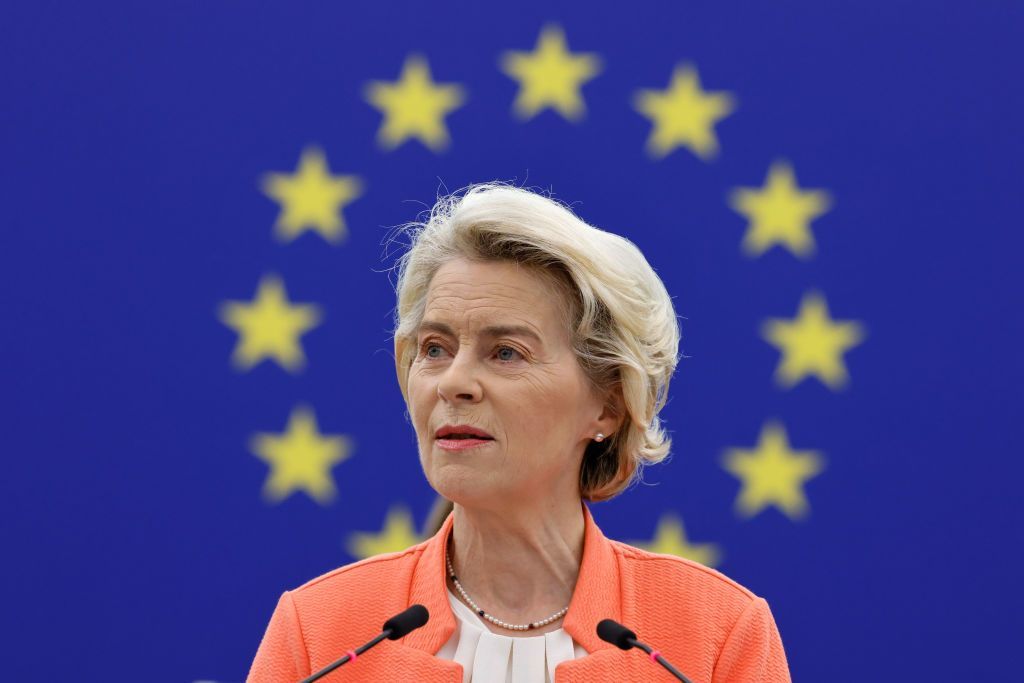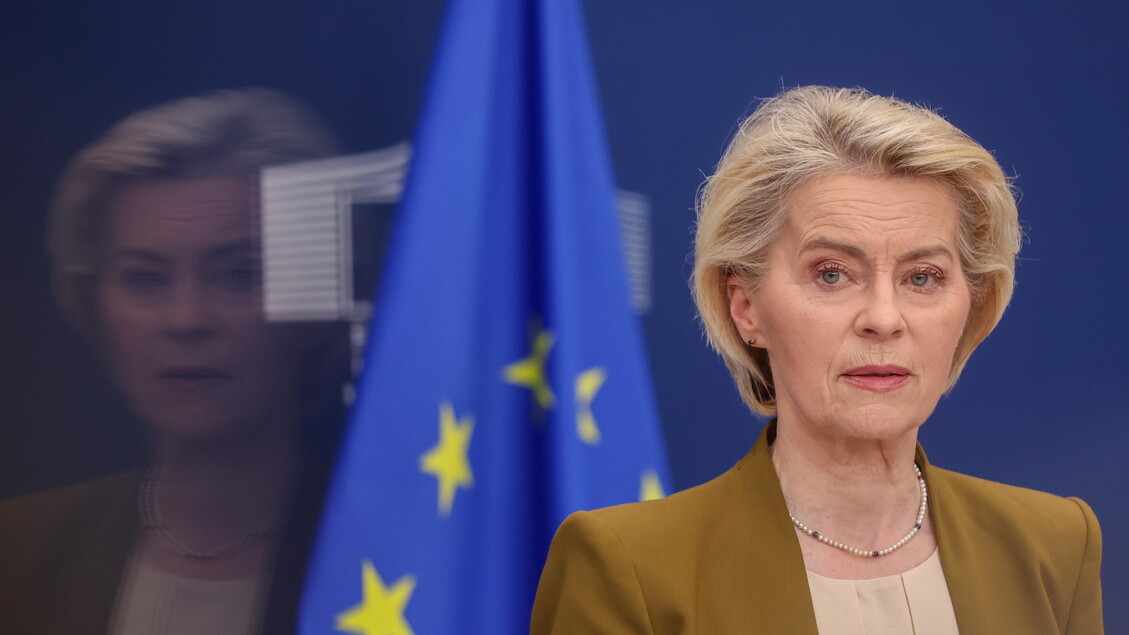

BRUSSELS — Ursula von der Leyen had a number in mind when she stepped up to address reporters at the European Commission on Monday: twenty-one. Not a milestone she treated as symbolic. A data point she treated as evidence.
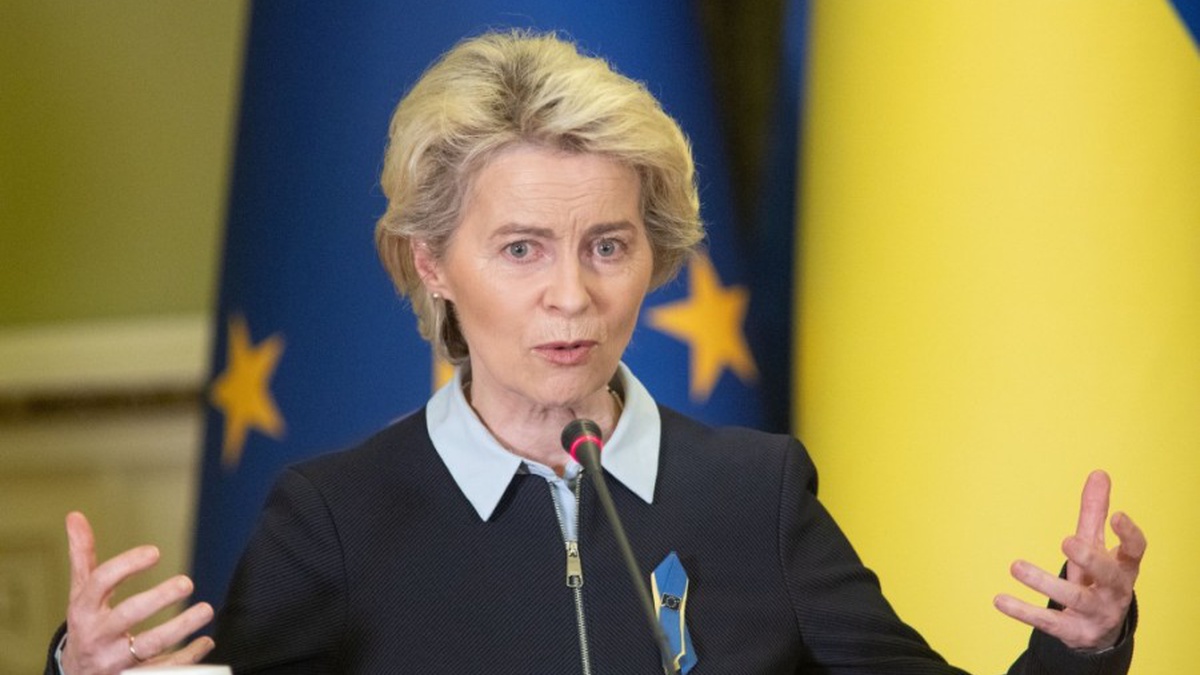
“Our sanctions are working,” the Commission president said, announcing the 21st package of EU restrictive measures against Russia. “They are weakening the economic foundations of Russia’s war effort.” The constancy of that effort, she argued, is precisely what is paying off — a framing that speaks less to the specifics of this particular package than to the political question Brussels has been quietly arguing over for two years: whether incremental pressure still adds up to anything.
The answer the Commission gave on Monday was yes — and that it intends to keep compounding. The 21st package targets 30 vessels from the shadow fleet used to circumvent oil price caps, imposes transaction bans on 31 Russian banks, restricts the sale of LNG tankers, introduces export controls on alloys and metals destined for Russia’s aerospace industry, and bans imports of certain automotive parts. It also, notably, moves against the Russian fishing sector — a restriction on cod among the measures — after the EU’s 20th package made the first formal incursion into that space in April.
But the provision drawing the sharpest attention in European capitals is the entry ban on individuals who fought on the Russian side against Ukraine. High Representative Kaja Kallas, who in April signaled that the 21st package would be built on a “rolling basis” rather than waiting for a grand political compromise, confirmed the veterans visa ban as a deliberate escalation — a signal that the EU is now prepared to treat military service in the Russian operation not merely as a security concern but as a sanctionable act in itself.
That is a significant threshold to cross. Previous travel restrictions in EU sanctions packages have targeted named oligarchs, named officials, and named propagandists — individuals whose roles in sustaining the Kremlin’s political and financial machinery are specifically documented. A blanket entry ban aimed at veterans introduces a new category: collective restriction based on military participation. Legal challenges are possible. Whether member states, some of which have significant Russian-origin diaspora communities, will implement the measure uniformly is an open question the Commission did not fully address on Monday.
The 20th package, which took nearly three months to pass after Slovakia and Hungary blocked its adoption over energy-supply concerns, finally cleared in late April only after the repair of the Druzhba pipeline removed the leverage Bratislava and Budapest had been exercising. The speed with which Brussels is now moving on the 21st package — Kallas confirmed the process was underway the day after the 20th passed — reflects a deliberate change of approach: smaller, faster rounds rather than large omnibus negotiations that give veto players maximum leverage. Whether that pacing holds is the key uncertainty heading into the Council’s review of today’s proposals.
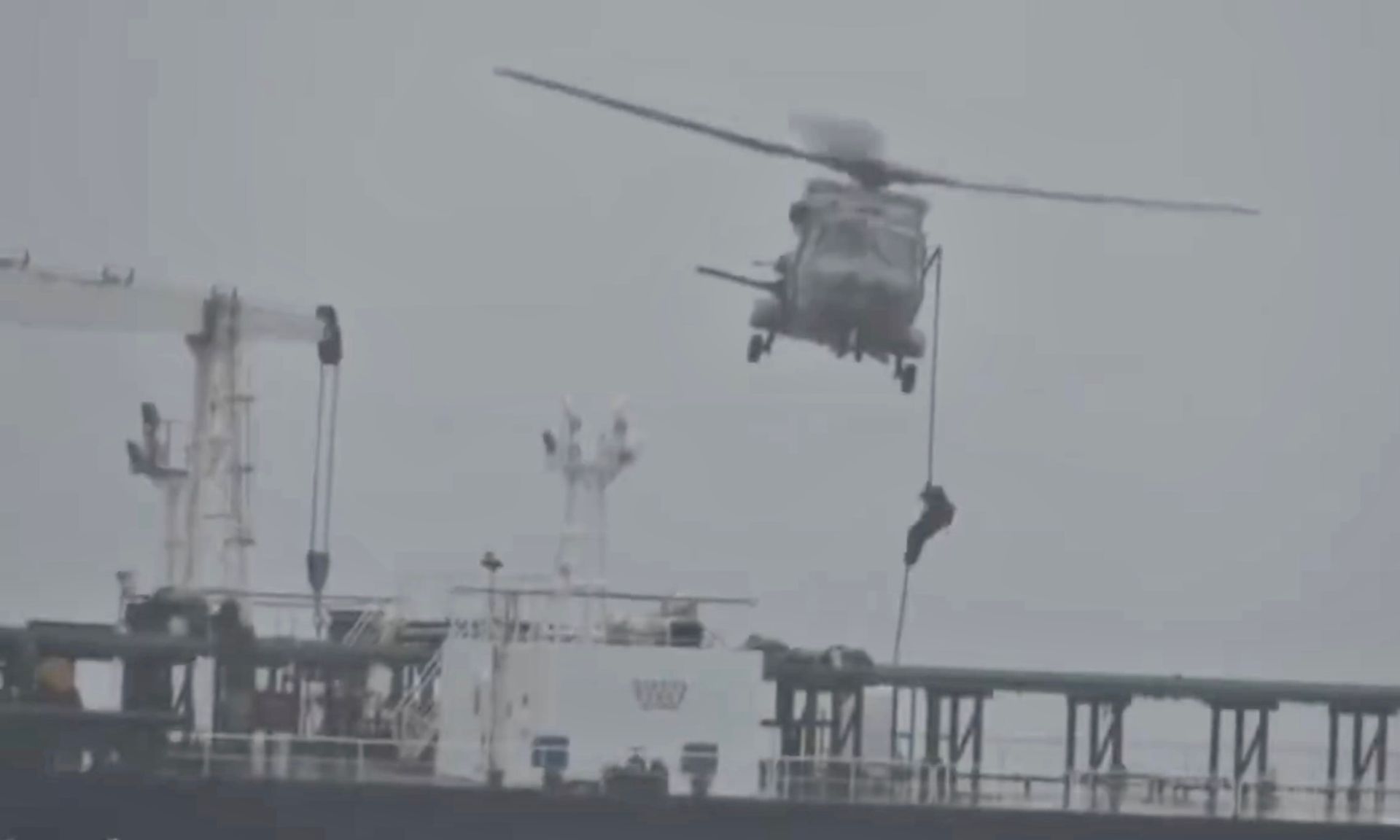
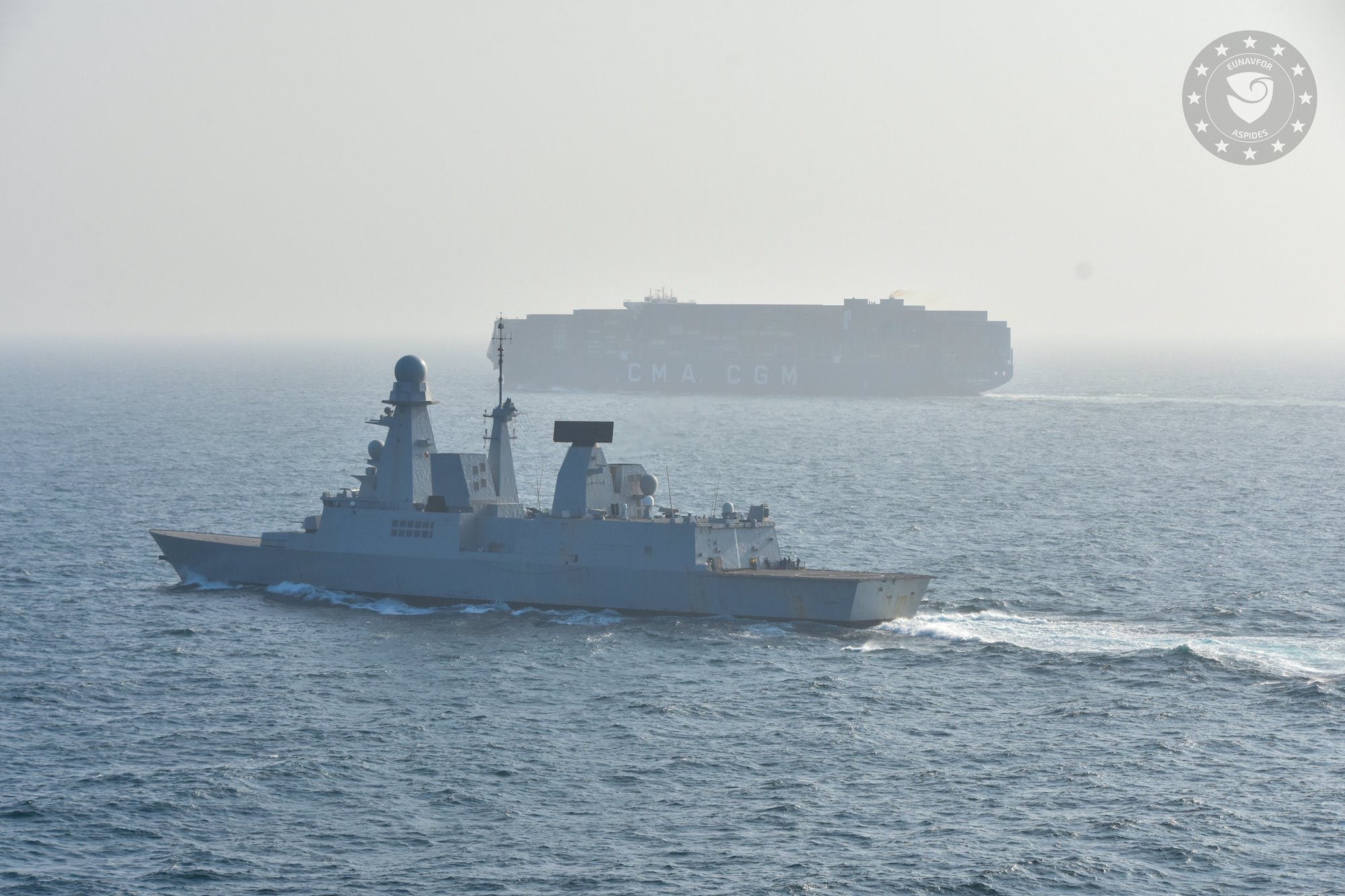
The energy components of the package are arguably the most consequential for Russia’s actual revenue. The shadow fleet restrictions extend a campaign that began meaningfully in the 19th package and has intensified with each subsequent round; the EU now has more than 100 vessels on its blacklist, and each new addition raises the cost of the insurance, registration, and port-services workarounds Moscow has built around Western price caps. The LNG tanker sale ban closes a loophole through which Western-built vessels could still reach the Russian liquefied natural gas trade. The broader LNG terminal services prohibition — introduced in the 20th package and set to take effect on January 1, 2027 — remains on track.
Von der Leyen’s formulation that Russia’s “war economy is sustained by revenues from fossil fuels” is not new; she has made the argument in each of the last several package announcements. What is new in Monday’s presentation is the specificity about cryptocurrency and banking. The transaction ban on 31 Russian banks — a number that, according to Radio Free Europe/Radio Liberty’s Europe Editor Rikard Jozwiak, includes institutions operating through third-country intermediaries — builds directly on the financial circuit-breaking begun in the 20th package. Crypto-asset service provider restrictions, also included, address a channel that compliance analysts have flagged as Russia’s fastest-growing sanctions evasion route over the past eighteen months, as documented in the Commission’s own internal assessments.
The fishing sector restriction represents a different political logic. Russia’s fishing industry is not a meaningful revenue source for its military budget — it is a trade relationship that several EU member states, particularly Spain and Portugal with their Atlantic cod fleets, have historically been reluctant to disrupt through countermeasures. Including cod in the import ban is as much a statement about the limits of carve-outs as it is a practical restriction. The EU has now sanctioned every major Russian export category. What remains — and what Monday’s presentation conspicuously did not address — is the question of enforcement across member states whose port authorities have been inconsistent in inspecting shadow-fleet vessels.
The proposal now moves to the Council of the European Union, where member states will review it before any formal adoption. The 20th package took nearly three months from Commission presentation to Council adoption. Brussels is hoping the rolling-basis approach shortens that cycle, but the 21st package’s veterans visa ban, in particular, may prove contentious enough to invite the kind of bilateral negotiations that slowed earlier rounds. Hungary has not yet publicly responded to Monday’s presentation.
What von der Leyen could point to on Monday is a body of economic data suggesting the pressure is registering. Russia’s central bank has kept its benchmark interest rate at 21 percent since late 2024, a level that reflects acute internal inflation and the cost of financing a wartime economy cut off from Western capital markets. Foreign direct investment has collapsed. The ruble has been propped up partly through capital controls whose rigidity itself imposes growth costs. None of that has stopped the Russian operation in Ukraine, as the battlefield situation attests. Whether economic attrition eventually translates into political change in Moscow is the question the 21st package cannot answer — and the one that will determine whether the 22nd package is ever the last.