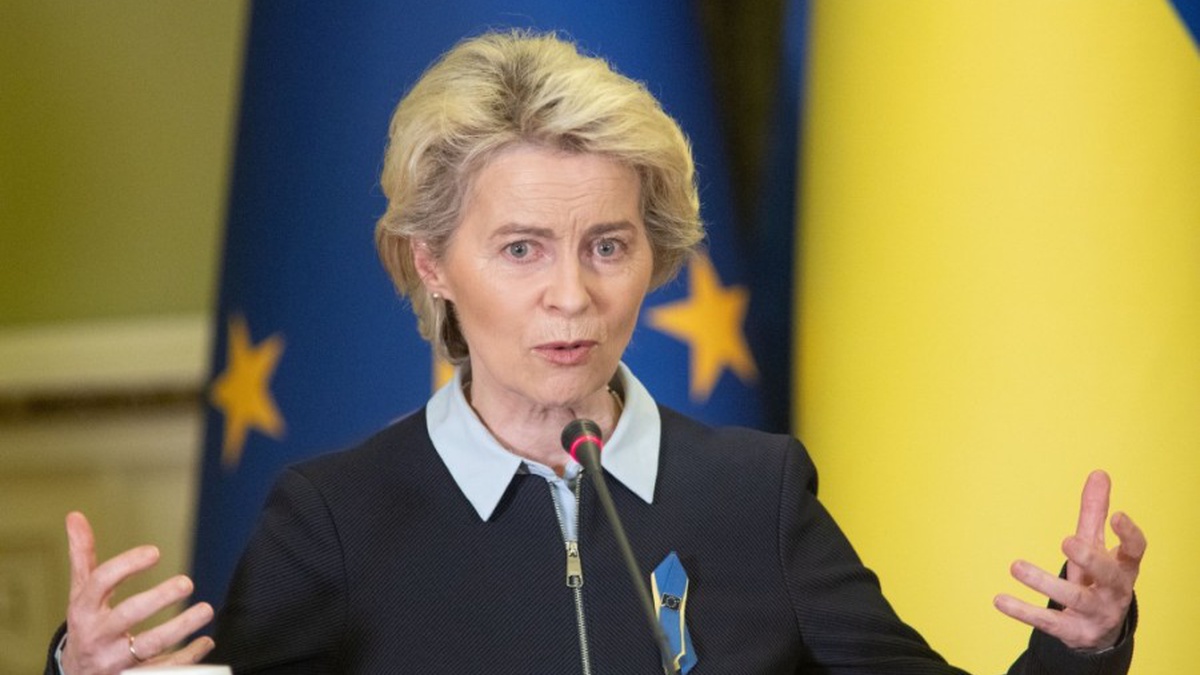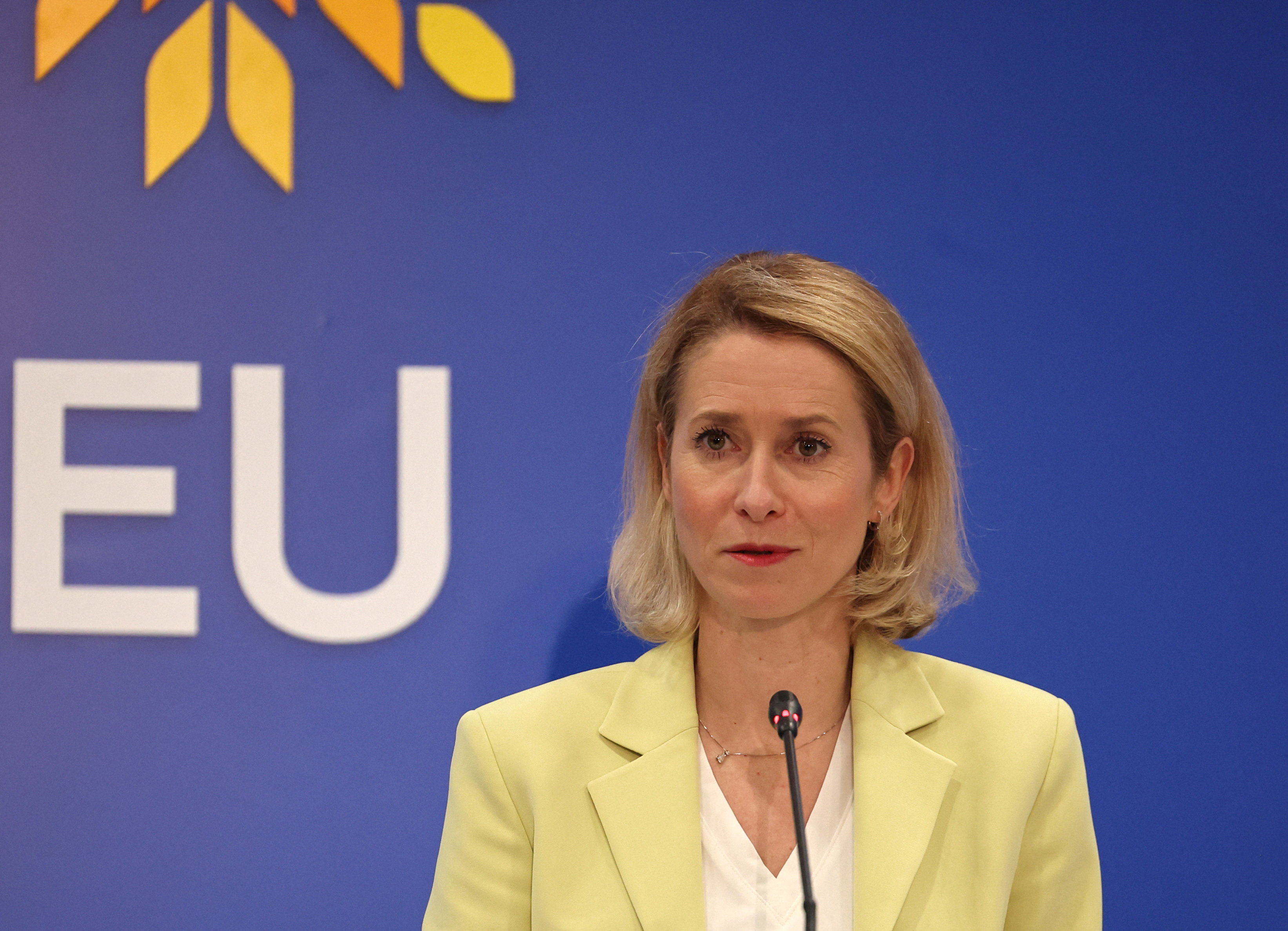

BRUSSELS — The European Union’s next round of sanctions against Russia will reach beyond Europe and its immediate neighbors to name drone manufacturers and dual-use suppliers across six countries, including India and China, EU foreign policy chief Kaja Kallas confirmed Tuesday — a diplomatic signal that Brussels is prepared to pressure even strategic partners to cut the supply lines sustaining Russia’s air campaign over Ukraine.
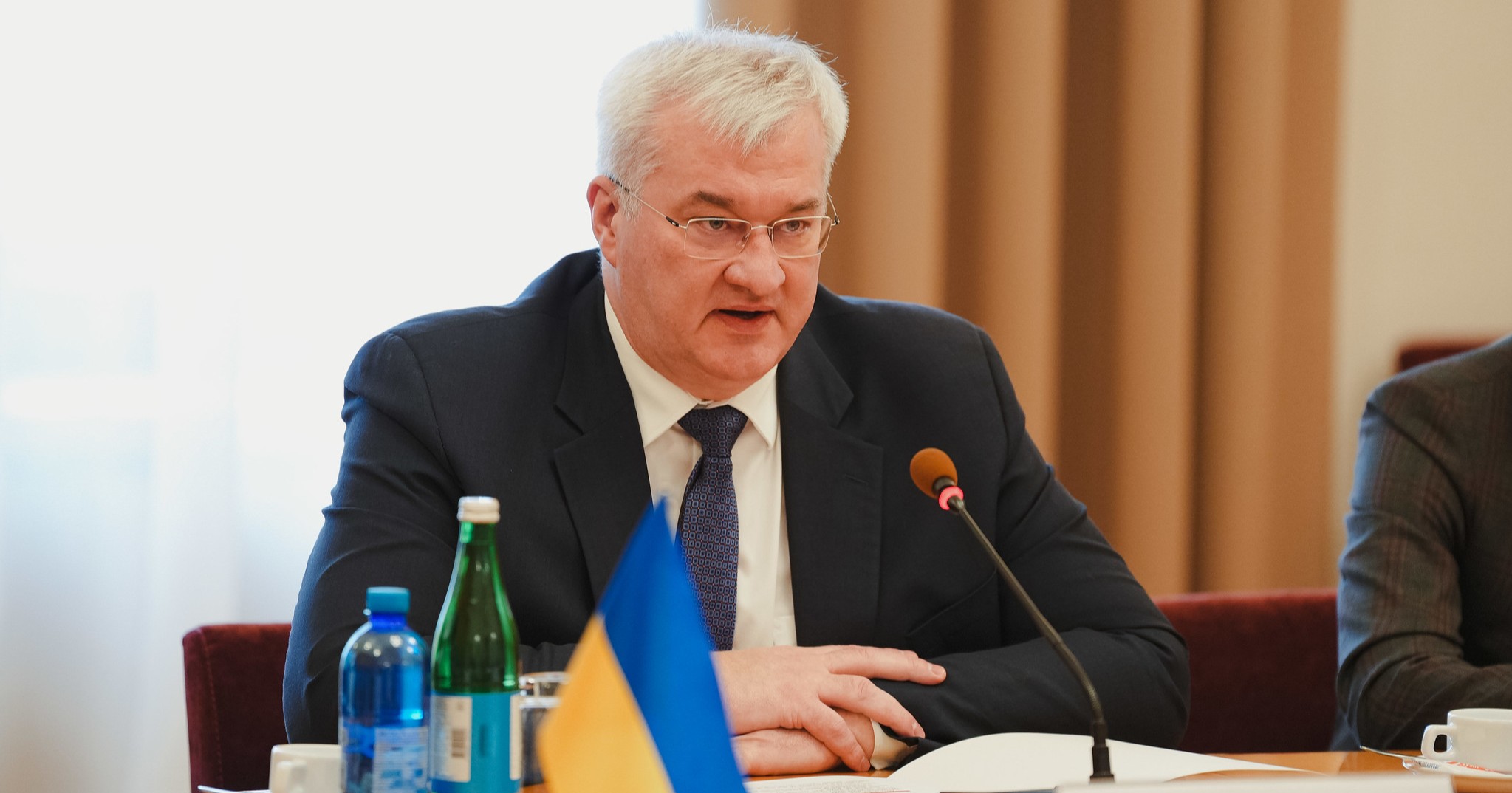
Speaking on X after briefing EU foreign ministers in Luxembourg, Kallas said the 21st sanctions package will cover “more than 30 designations” in the drone manufacturing sector and bring “new export control measures on 50 companies, including entities based in China, Türkiye, Kyrgyzstan, Kazakhstan, UAE and India.” The statement was terse by Brussels standards, but its list of countries was anything but routine. India’s appearance alongside China and Turkey is new — the EU had, in earlier packages, largely confined its third-country listings to Central Asian transit hubs and the UAE.
What it signals, analysts who track EU sanctions architecture argue, is that Brussels has concluded that the 20th package’s anti-circumvention tool — activated for the first time against Kyrgyzstan in April — has not been enough. The drone supply chain runs wider than a single Central Asian route. It runs through dual-use electronics suppliers in Shenzhen, through components traded in Dubai, through machined parts that leave Turkish factories without a paper trail that leads back to a battlefield in Zaporizhzhia. The 21st package is, in effect, an attempt to map that supply chain and designate the nodes.
Kallas offered no further details Tuesday on which specific companies would be named or how many of the 50 targeted firms operate in each country. What she confirmed, however, amounts to an implicit diplomatic confrontation — with Beijing, Ankara, New Delhi, and the governments of three smaller states simultaneously — at a moment when each of those capitals is managing its own complex relationship with Moscow.
The 20th sanctions package, adopted in late April, had already designated 58 companies and individuals linked to Russia’s military-industrial complex, including 16 entities in third countries covering China, the UAE, Uzbekistan, Kazakhstan and Belarus. It was the first time the EU had used a dedicated anti-circumvention mechanism to restrict exports to a third country — Kyrgyzstan — rather than to Russia directly. The move was described at the time as unprecedented; the 21st package, if Kallas’s description holds, would extend that logic considerably further and with more designations.
India’s inclusion carries particular weight. New Delhi has maintained what it describes as an independent foreign policy on the conflict, refusing to join Western condemnations of Russia’s military operation in Ukraine while significantly expanding its purchases of discounted Russian crude oil. Indian officials have repeatedly resisted characterizations of that posture as sanctions evasion. Being named — even indirectly, through company-level listings rather than sovereign action — in an EU designation list would mark a qualitative shift in how Brussels engages New Delhi on the conflict.
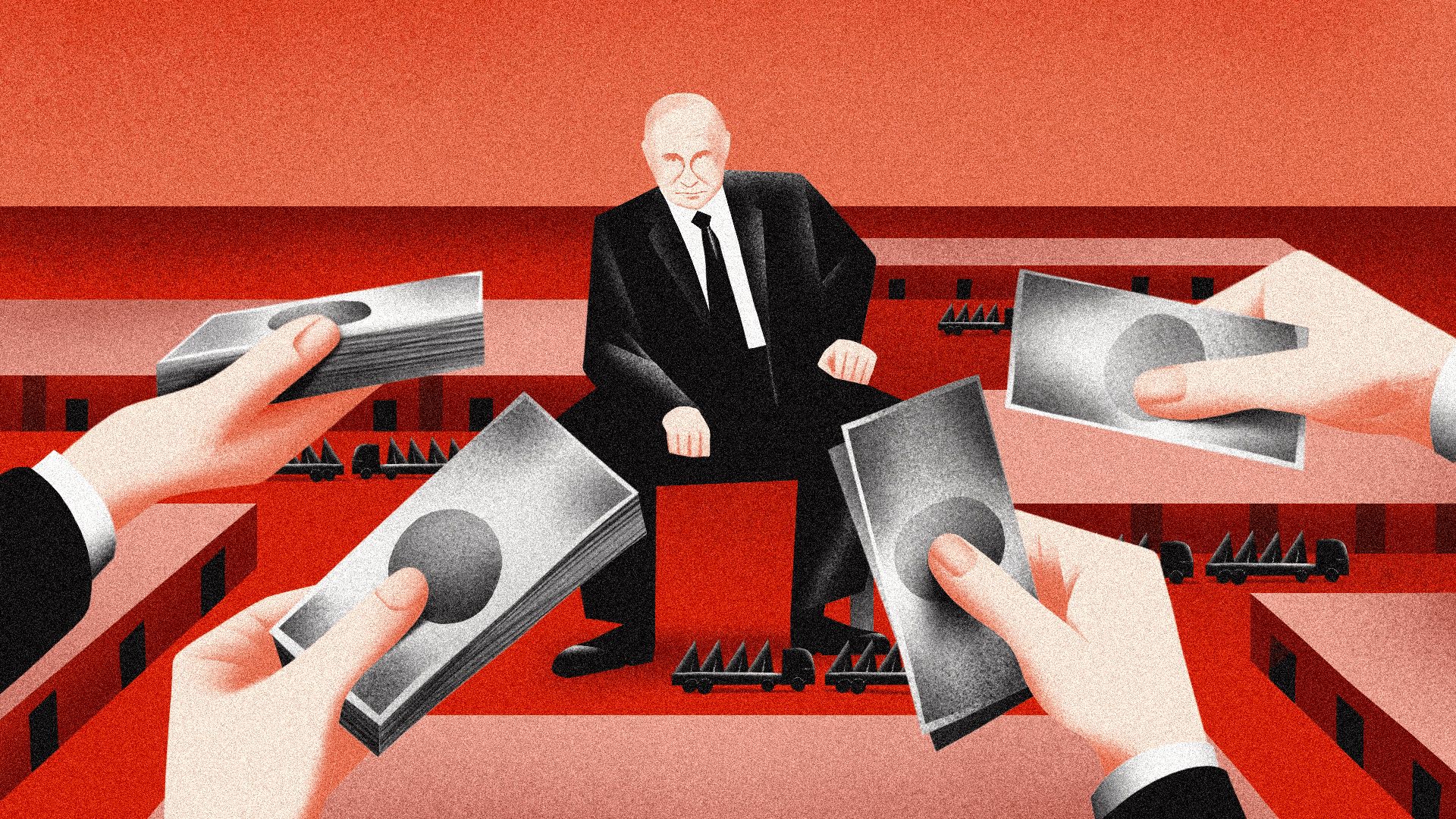
The EU has been deliberate about not targeting India at the government level, preferring to frame third-country sanctions as corporate enforcement rather than foreign policy confrontation. Whether New Delhi reads it that way is a different question. India’s commerce ministry has previously lodged diplomatic objections when Indian entities appeared on US Treasury Department designations related to Russia. EU listings, while a different legal instrument, carry comparable reputational consequences for companies with European banking relationships or cross-border trade exposure.
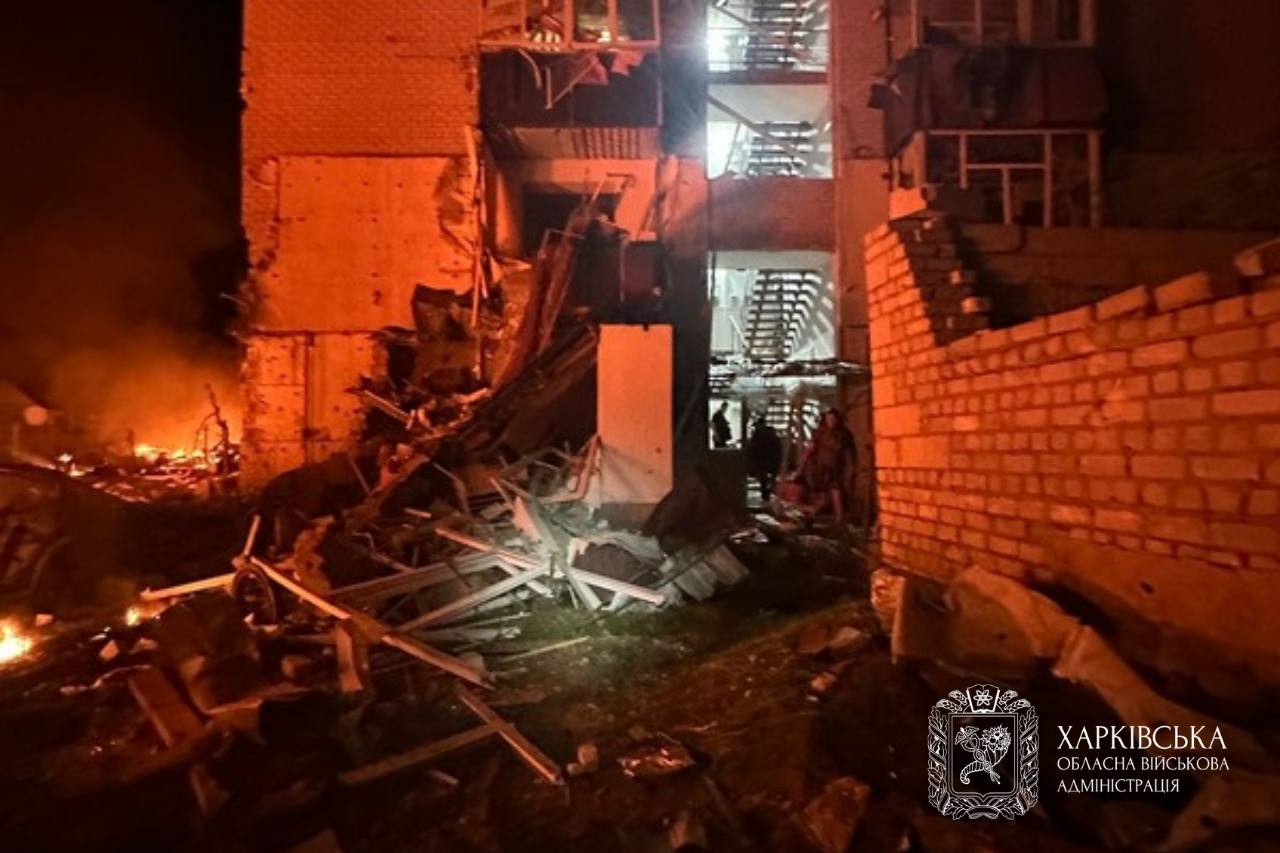
China’s inclusion is less diplomatically novel — Chinese companies appeared in the 20th package — but the scale appears larger this time. Kallas’s framing of the drone manufacturing sector as a primary focus points directly at the supply of components used in Shahed-type drones and their Russian-produced variants. Ukrainian battlefield intelligence and European export control databases have consistently identified Chinese-origin electronic components in Russian strike drones recovered after attacks on Ukrainian cities.
Turkey presents its own complexity. Ankara is a NATO ally, hosts ongoing diplomatic contacts between Russian and Ukrainian officials, and has sold armed drones to Ukraine. It has also, through a network of trading companies that EU and US officials have documented but not publicly named, served as a conduit for restricted goods heading east. Kallas’s announcement, if it results in specific Turkish company designations, would be only the second time the EU has formally listed entities in a NATO member state over Russia-related sanctions violations — a threshold Brussels has historically been reluctant to cross.
The 21st package is expected to be presented formally to EU member states in the coming weeks. Kallas gave no adoption timeline Tuesday, and the designations she described remain proposals subject to approval by all 27 member states. That unanimity requirement has, in previous packages, resulted in some listings being softened or removed before adoption — particularly where member states have significant bilateral economic interests with the targeted country.
What remains unresolved is whether the listings, even if adopted in full, will measurably slow drone production. Russia’s domestic drone manufacturing capacity has expanded significantly since 2022, and the supply chains have shown considerable resilience to earlier disruptions. The EU has not publicly released data on how the 20th package’s circumvention measures have affected the flow of components, and Kallas offered no assessment Tuesday of whether the designations in prior packages have had any measurable impact on Russia’s operational drone inventory.
The EU’s 21st sanctions package is being assembled at a moment when the broader Western sanctions campaign against Russia faces growing questions about its long-term effectiveness, with the bloc simultaneously targeting some 90 Russian banks and more than 170 entities in what would be its most expansive financial sweep since the operation began. The drone supply chain measures Kallas announced Tuesday sit alongside — but are analytically distinct from — those financial measures. One aims at the money. The other aims at the machines.
Whether the two together can accomplish what neither has managed alone is the question Brussels has not yet answered. Earlier Tuesday, Kallas also presented measures targeting third-country banks and crypto operators as part of the same package, underscoring the ambition of a round designed to plug the most persistent gaps in the EU’s economic pressure campaign. That ambition is visible. Its limits, less so.