
BERLIN — The numbers arriving at Germany’s migration office tell a story that is quietly reshaping one of the most sensitive debates in European politics. According to data from the Federal Office for Migration and Refugees — the agency Germans call BAMF — men between the ages of 18 and 63 now make up 60 percent of Ukrainians who have entered Germany over the past 16 months, the RedaktionsNetzwerk Deutschland media group reported Tuesday, citing the agency’s figures directly.
That is a reversal from the early weeks of the Russian operation in Ukraine, when the arrivals were overwhelmingly women travelling with children. More than 1.348 million Ukrainians are currently registered in Germany under temporary protection status, BAMF reported as of May 30. Of those, 355,745 are men in the 18-to-63 age bracket — the demographic that overlaps almost entirely with Ukraine’s mobilization pool.
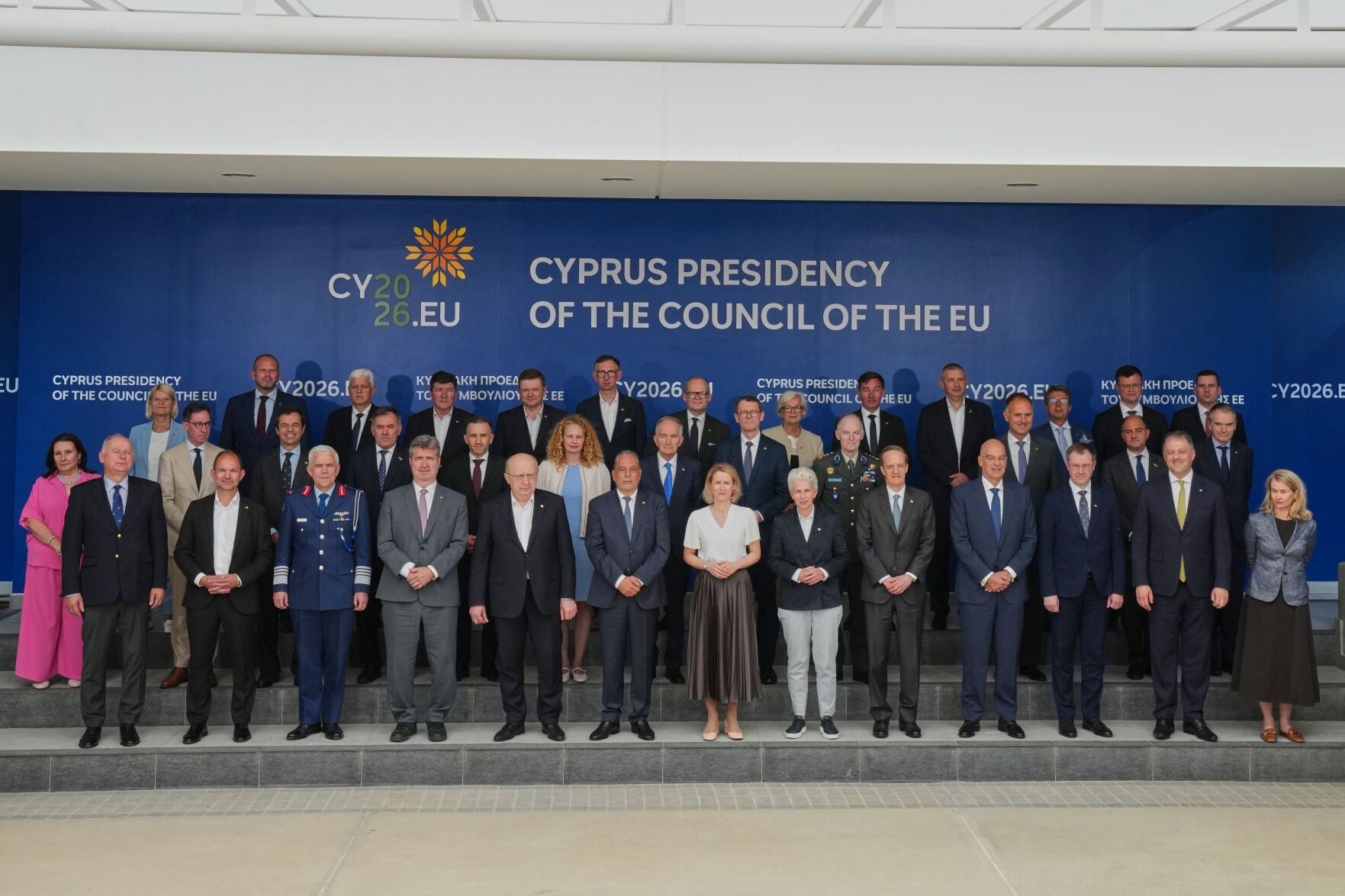
The figure did not stay inside a government spreadsheet for long. German Interior Minister Alexander Dobrindt cited the rising influx of conscription-age men as direct justification for his position at an EU interior ministers meeting in Luxembourg on June 4, where he backed a proposal to remove automatic temporary protection from Ukrainian men aged 23 to 60. “We have established that there has been an increase in the influx of conscription-age individuals in recent months. This needs to be addressed,” Dobrindt said, according to Euronews.
Two proposals were on the table in Luxembourg. One would extend the Temporary Protection Directive in its current form through 2028, covering all Ukrainian nationals without individual asylum reviews. The other would do the same but carve out men aged 23 to 60, who would instead face the standard case-by-case asylum procedure, a slower and far less certain process. A majority of member states — including Austria, Sweden, Poland, Finland, and Germany — aligned behind the second option. The changes would apply only to new arrivals, not to the more than one million Ukrainian men already living inside the EU under existing protection.
The age range in the proposal is not arbitrary. Under Ukrainian martial law, men between 23 and 60 are barred from leaving the country, though exemptions exist for fathers of three or more children under 18, people with disabilities, and those deemed medically unfit for service. That a measurable number of men in exactly this bracket are appearing at German registration offices suggests the exemptions are either being applied broadly, the border controls are leaking, or both — a question the BAMF data alone cannot answer.
German Chancellor Friedrich Merz had made his position plain before Dobrindt’s statement in Luxembourg. Merz said he had personally pressed Ukrainian President Volodymyr Zelenskyy on the matter, describing the conversation in terms that left little room for diplomatic ambiguity. “I asked him to ensure that these young men remain in the country, because they are needed there and not in Germany,” Merz said, as Arab News reported. Berlin’s domestic data and its foreign policy posture are now pulling in the same direction.
The EU’s Temporary Protection Directive was activated in March 2022 in the immediate aftermath of Russia’s military operation — the first time the mechanism, created in 2001, had ever been triggered. It granted Ukrainians the right to reside, work, and access social services across the bloc without going through individual asylum adjudication. The directive was extended three times; its current term expires March 4, 2027. The European Commission is expected to submit formal extension proposals in the coming weeks, with the June 4 ministers’ meeting widely read as a signal of where the political center of gravity now sits.
Austria’s Interior Minister Gerhard Karner went further than Dobrindt in staking out a position, calling for the exclusion of men aged 23 to 60 to take effect starting from the March 2027 renewal date — a timeline that would give current male beneficiaries notice but close the door on new arrivals. Sweden framed its support for the measure explicitly in terms of Ukraine’s battlefield requirements, with Migration Minister Johan Forssell arguing that keeping men inside Ukraine was inseparable from the question of the country’s ability to sustain its defense.
EH’s reporting on the EU policy debate around stripping refugee shields from Ukrainian men of fighting age earlier this month noted the diplomatic framing — Brussels officials were careful to present the measure as aligned with Kyiv’s own interests. That framing has since been complicated: the Alliance of Ukrainian Organizations in Germany publicly pushed back this week, calling the initiative a distraction. “Europe’s real task is not to lead a migration debate about Ukrainians, but to do everything possible to end this war and establish a just peace for Ukraine,” the group said in a statement carried by German-language Ukrainian media.
What the BAMF data cannot settle is the harder question underneath the policy debate: whether the men in question left Ukraine legally, whether their departure was sanctioned by the exceptions in Ukrainian law, or whether the numbers reflect a breakdown in exit enforcement that Kyiv does not fully control. Germany’s parallel dispute with Brussels over Schengen border controls adds a layer of complexity — Berlin is simultaneously pushing for tighter external migration rules and resisting EU pressure to restore internal free movement, positions that sit uneasily alongside each other when the mobility in question involves allied nationals fleeing a war.
The European Commission’s formal proposal is not yet public. Until it is, the question of what happens to Ukrainian men who arrive in Germany after a potential March 2027 cutoff remains open. Dobrindt has suggested the standard asylum procedure remains available — but an individual case-by-case review for a man of conscription age from a country at war is a process with a different odds structure than the blanket protection the directive currently provides.