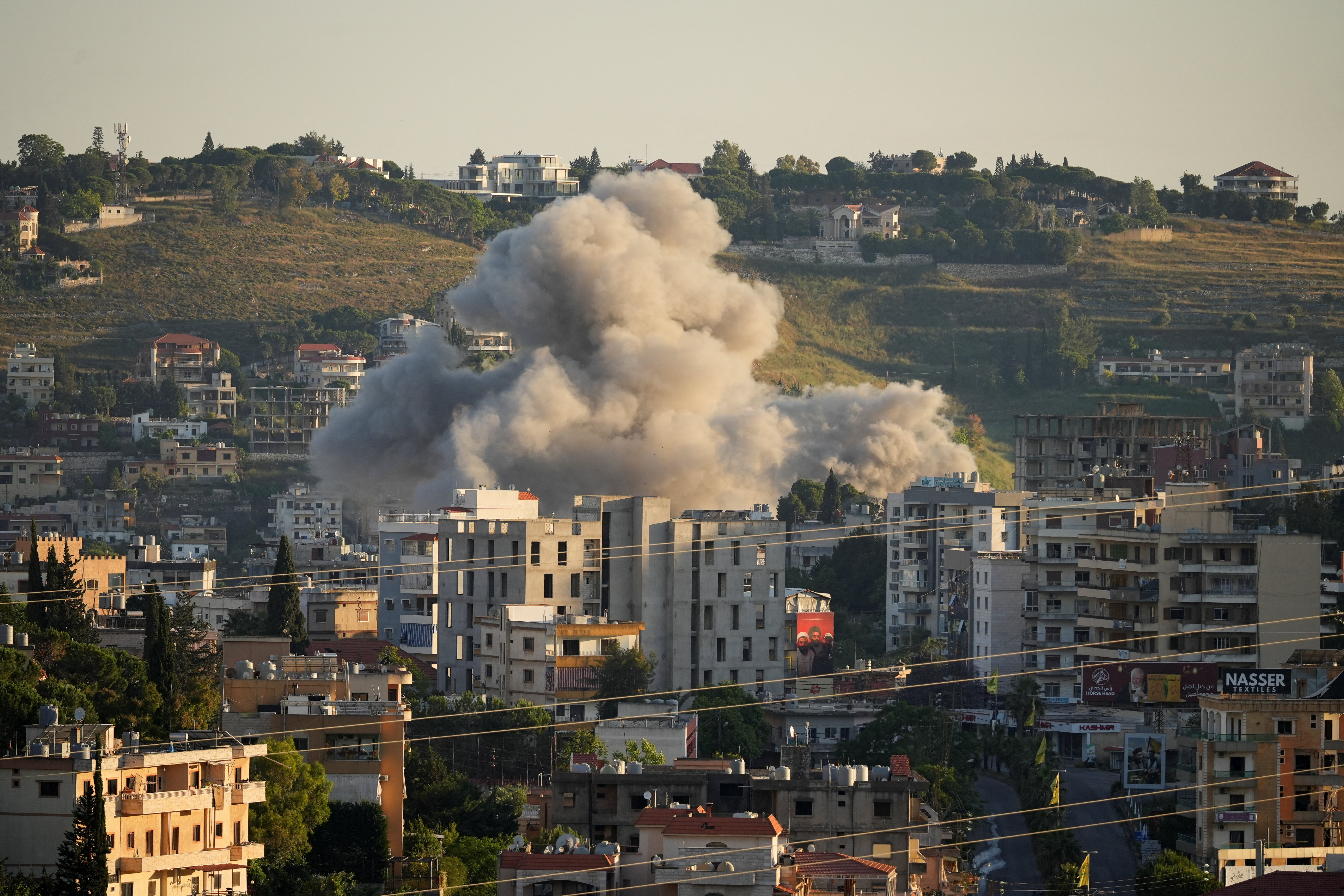

BRUSSELS — By the time the European Commission offered its endorsement of the latest Lebanon-Israel ceasefire on Tuesday, Israeli airstrikes had already resumed over Beirut’s southern suburbs — the first such strikes on the Lebanese capital since the accord was announced barely a week before. The gap between the statement and the ground has rarely been so visible.
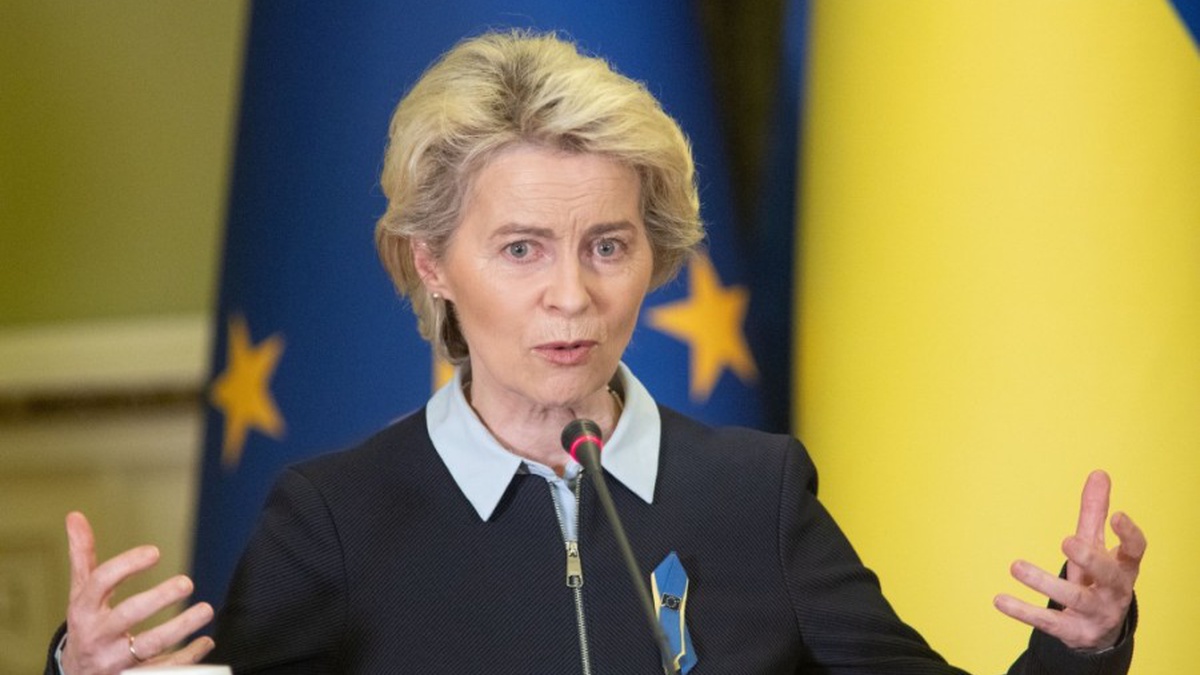
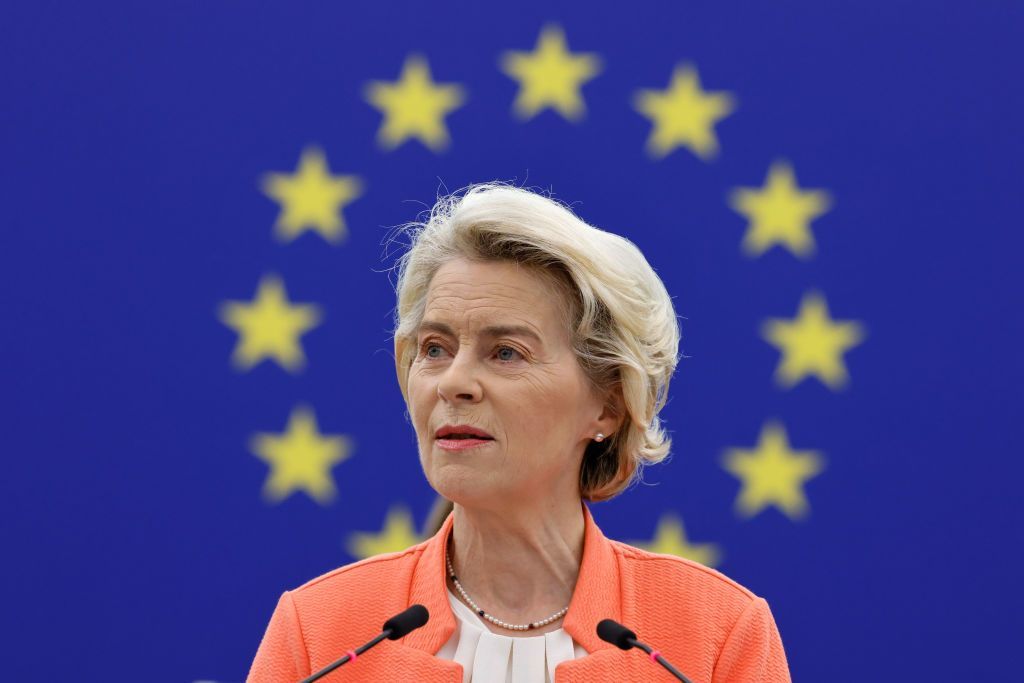
Anouar El Anouni, the Commission’s foreign affairs spokesperson, told reporters at the midday briefing that the US-brokered agreement represented a “renewed opportunity to end the conflict,” expressing trust that both Israel and Lebanon would pursue direct negotiations “in a constructive spirit.” The Commission urged all parties to abide fully by the deal and called for an immediate end to all military action. Hezbollah must withdraw from the South Litani Sector, Brussels said, and Israel must pull back from Lebanese territory it continues to occupy.
What the statement could not say — because diplomacy rarely does — is that the deal it was endorsing had, within hours of its announcement last Wednesday, been formally rejected by the armed group whose compliance makes or breaks any truce in southern Lebanon.
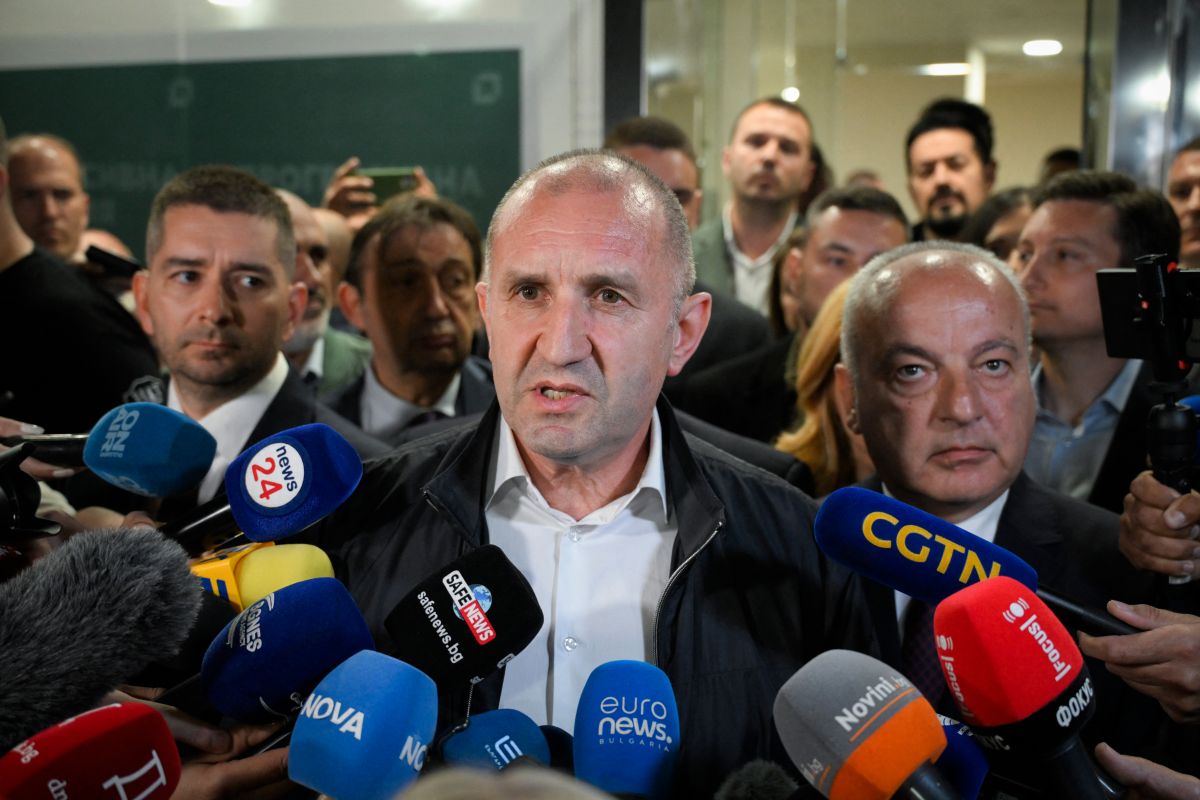
Naim Qassem, the leader of Hezbollah, declared publicly that his movement would accept no ceasefire arrangement that did not begin with the withdrawal of Israeli forces from Lebanese soil. The group, which was not party to the Washington talks at which Israeli and Lebanese government delegations met under American facilitation, informed Lebanese parliamentary speaker Nabih Berri of its refusal hours after the joint statement was signed. That refusal has not changed.
Hezbollah’s structural exclusion from the negotiations is not an oversight — it is the defining problem. The June 3 Washington talks were the fourth round of direct diplomatic engagement between Israeli and Lebanese government envoys since fighting escalated in early March, when Hezbollah resumed attacks against Israel in solidarity with Iran and Israel responded with a ground incursion into the south. The Lebanese state agreed; the Lebanese armed group did not. These two facts do not coexist comfortably, and no amount of European goodwill resolves the asymmetry.
Lebanon’s own assessment of the deal’s durability has been notably hedged. Culture Minister Ghassane Salamé told Euronews that the agreement offered hope, but immediately qualified it — the previous ceasefire, in his words, “was not even a truce.” He argued that what distinguished this version was the direct American engagement: without sustained US pressure, he said, Israeli compliance could not be assumed. His caution was well-founded. Israeli Defence Minister Israel Katz stated the same day that Israeli forces would not be withdrawing from Lebanese territory and would continue operations regardless of the ceasefire announcement.
That contradiction — a ceasefire agreement whose primary military actor on one side has rejected it, and whose primary military actor on the other side has publicly reserved the right to keep fighting — is the terrain into which the European Commission stepped on Tuesday with an expression of cautious optimism.
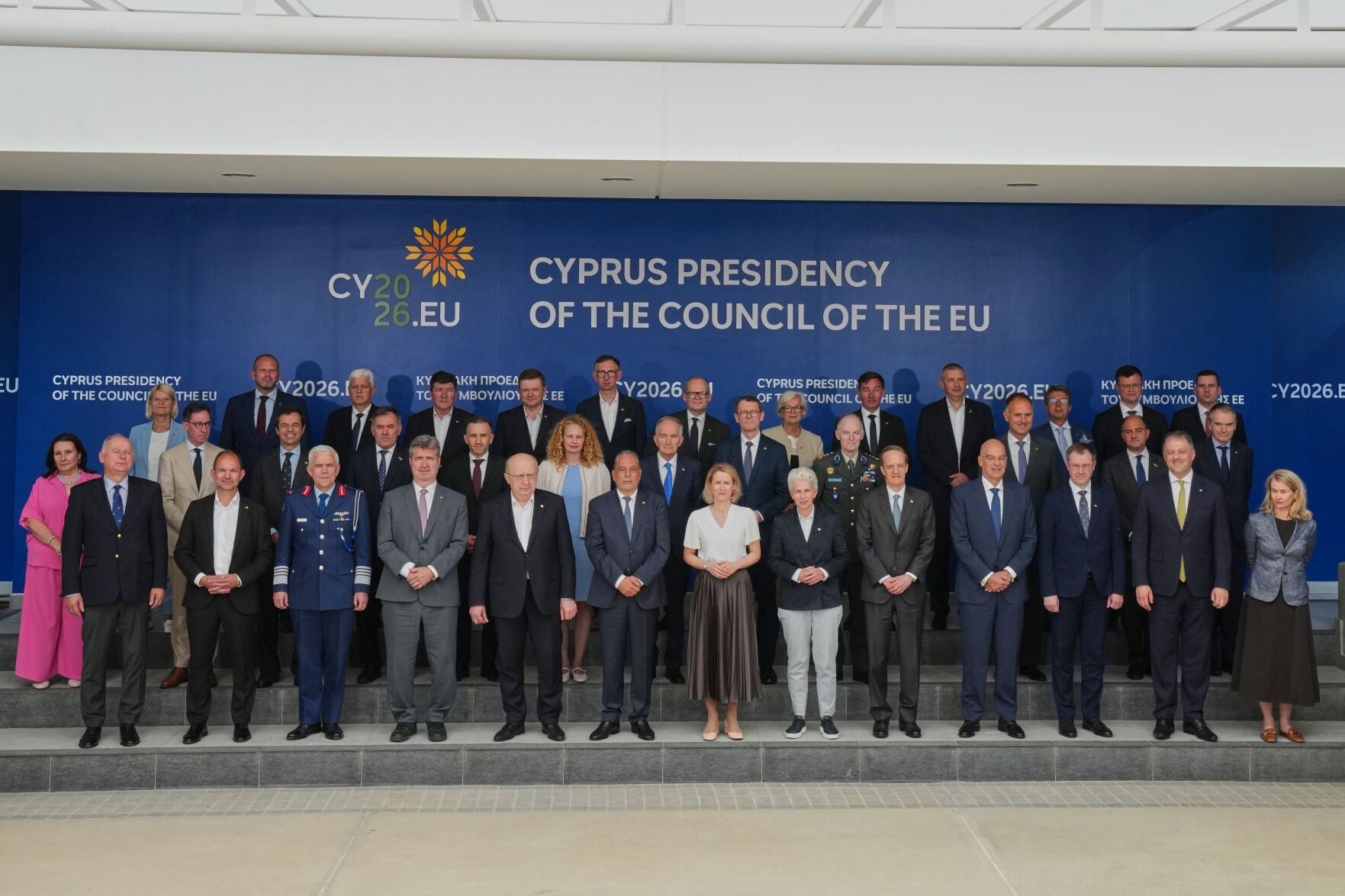
The EU’s position is not without its own internal tension. Just four days before Tuesday’s statement, the bloc announced €100 million in military assistance to the Lebanese Armed Forces, a move framed by EU foreign policy chief Kaja Kallas as a direct measure to strengthen Beirut’s ability to assert state control over its own territory. The logic is clear enough: a Lebanese Army that can police the south of the country is the mechanism through which Hezbollah withdraws. But the sequencing — committing to military financing while urging an immediate halt to all violence — implicitly acknowledges that the ceasefire, if it holds at all, will require enforcement capacity Beirut does not yet possess.
Lebanese President Joseph Aoun had called the Washington agreement the “last chance” for a comprehensive truce. That framing was itself a signal — not of confidence, but of exhaustion. The talks began in April, following the initial ceasefire brokered on April 16 that was extended first for three weeks, then for forty-five days. Each extension was followed by continued Israeli strikes in the south and Hezbollah maintaining its presence below the Litani River, in violation of the terms. The June 3 agreement introduced the concept of “pilot zones” — designated areas where the Lebanese Armed Forces would take exclusive territorial control, excluding all non-state actors — as a possible mechanism for gradual implementation. Both sides agreed to meet again the week of June 22.
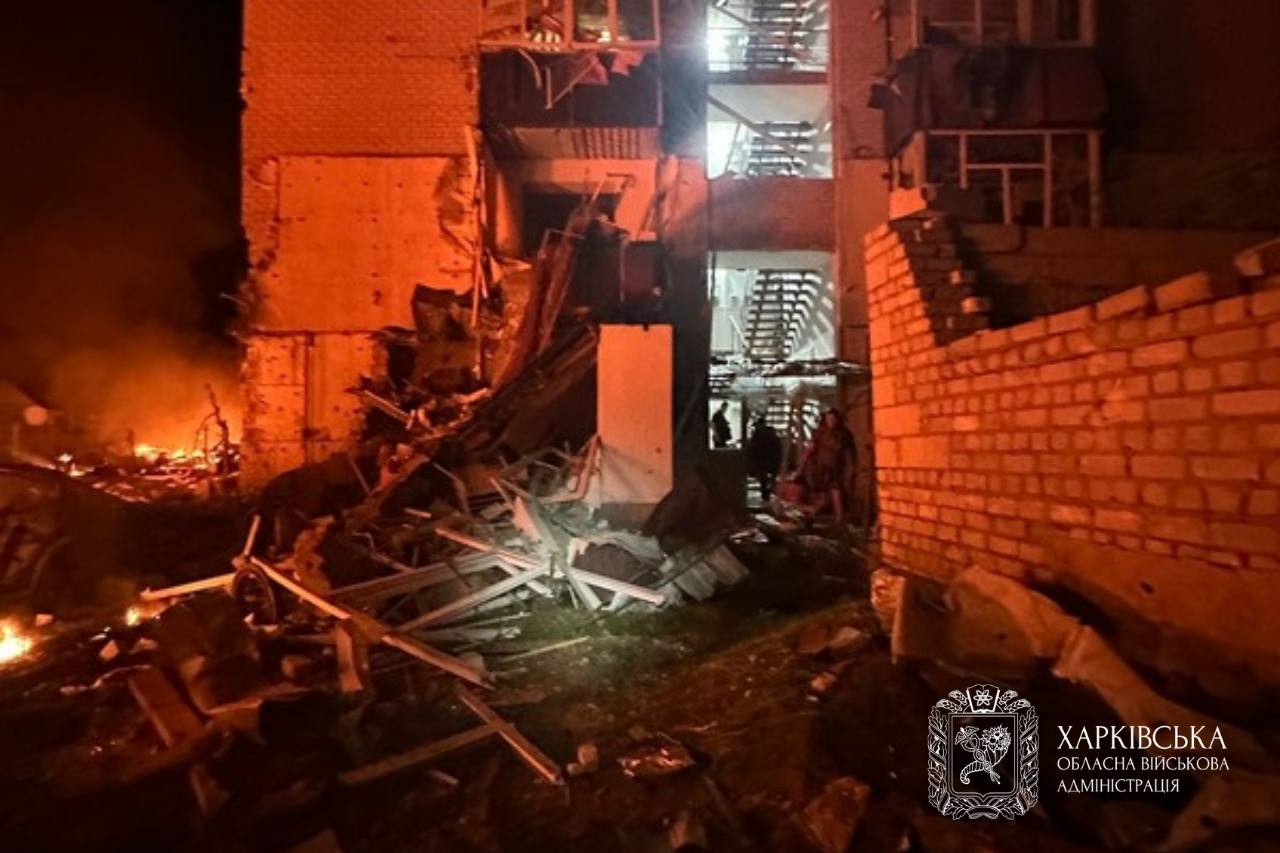
Whether that meeting convenes is now an open question. The airstrikes on Beirut’s southern suburbs on Sunday — in response to Hezbollah drone attacks on Israeli military positions, according to Prime Minister Benjamin Netanyahu’s office — were the first to hit the Lebanese capital since the deal was signed, representing a direct breach of a key provision under which Israel had committed not to target that area. Hezbollah framed the drone attacks as a response to earlier Israeli strikes in the south. The familiar cycle had reasserted itself within days.
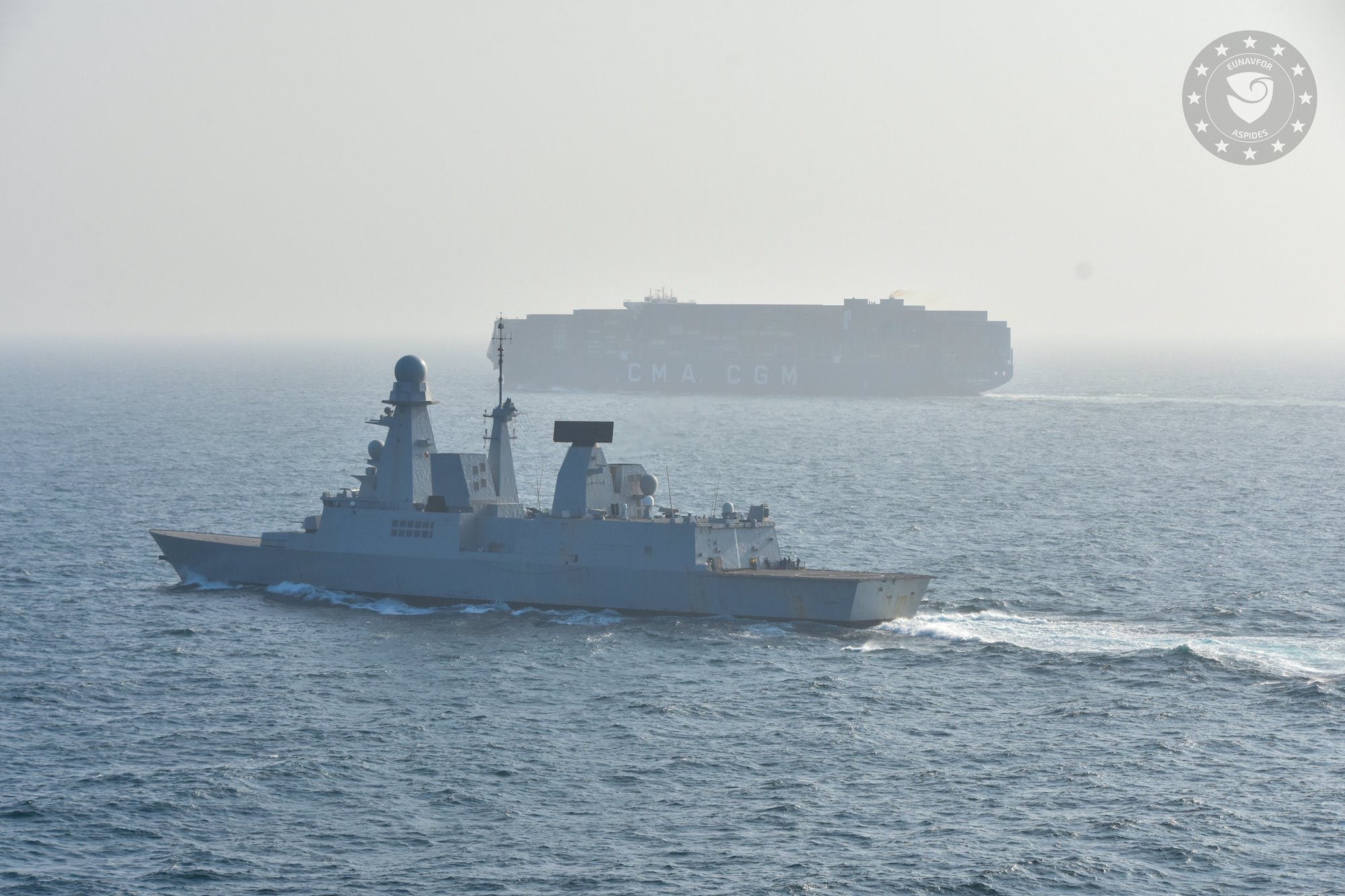
The EU’s role in this conflict has remained declaratory and financial. Brussels pledged the €100 million military aid package to the Lebanese Army last Friday, framing it as a contribution to the state monopoly on force that a lasting ceasefire would require. The Commission also repeated its call for Hezbollah to withdraw from the South Litani Sector, a demand that Hezbollah has not accepted and that the Lebanese state is not in a position to enforce unilaterally. France, which has historically been the EU’s lead actor in Lebanon, separately welcomed the Washington agreement while also noting that its legitimacy rested on the involvement of “legitimate representatives” of both governments — a formulation that underscored, without quite saying so, that Hezbollah was neither a party to nor bound by what was agreed.
What the European Commission called a “renewed opportunity” on Tuesday is also, depending on how one counts, at least the third ceasefire arrangement of 2026 in Lebanon — each preceded by a collapse, each accompanied by statements of cautious European support. The Commission acknowledged on Tuesday that the Lebanese people were “paying a heavy and unacceptable humanitarian and socio-economic price” from the ongoing escalation and airstrikes. What mechanism converts that acknowledgment into changed behaviour on the ground remains, as yet, unspecified. The next round of talks, if they occur, is scheduled for the week of June 22.