
JOHANNESBURG — The buses out of South Africa have started running for the people who came to it for work. Malawi began bringing its citizens home this month, Ghana pulled out hundreds last week, and for at least five Mozambican families there is nothing left to bring home but a body. They were killed, their government has counted, in the kind of violence South Africa keeps promising to stop and keeps not stopping.
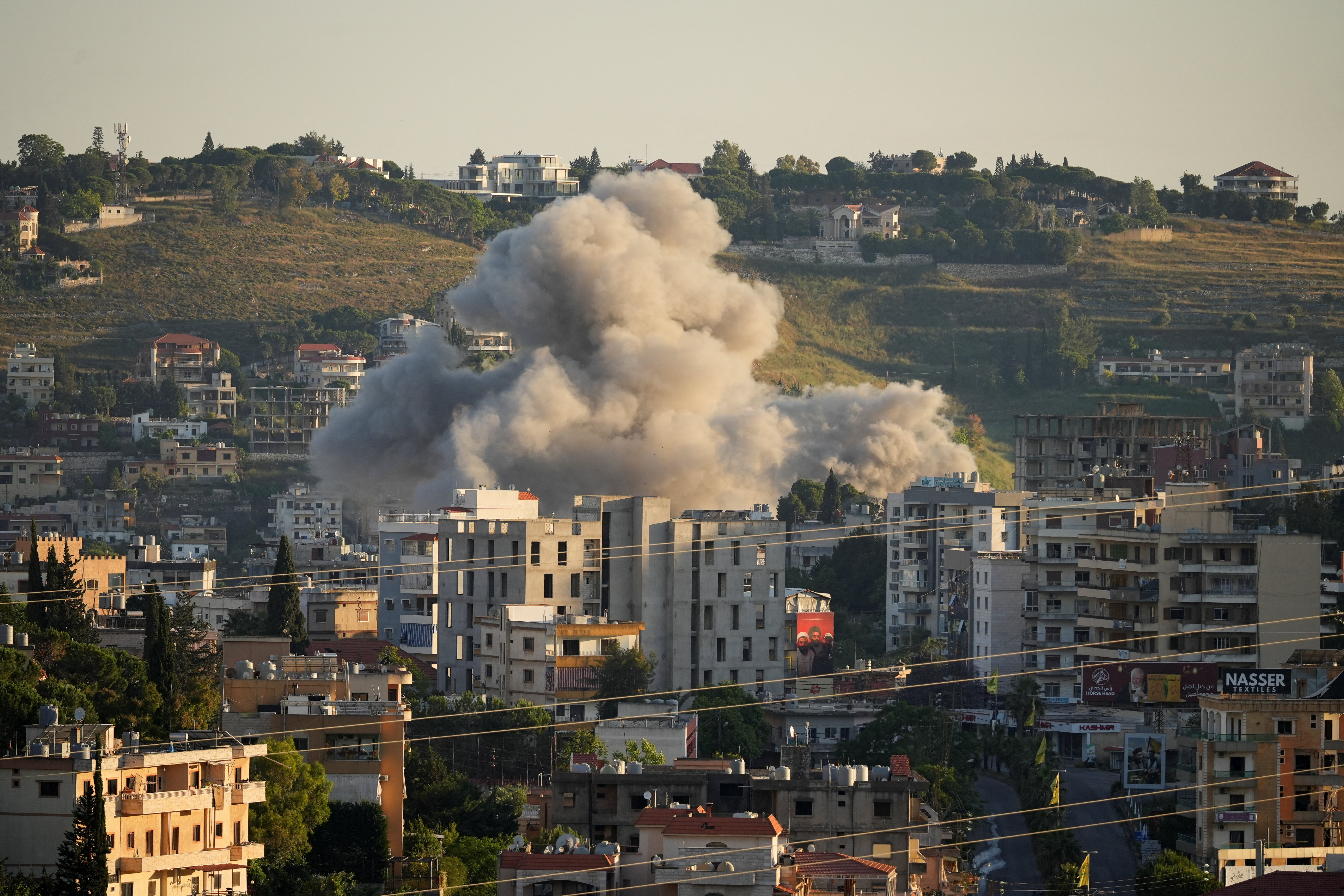
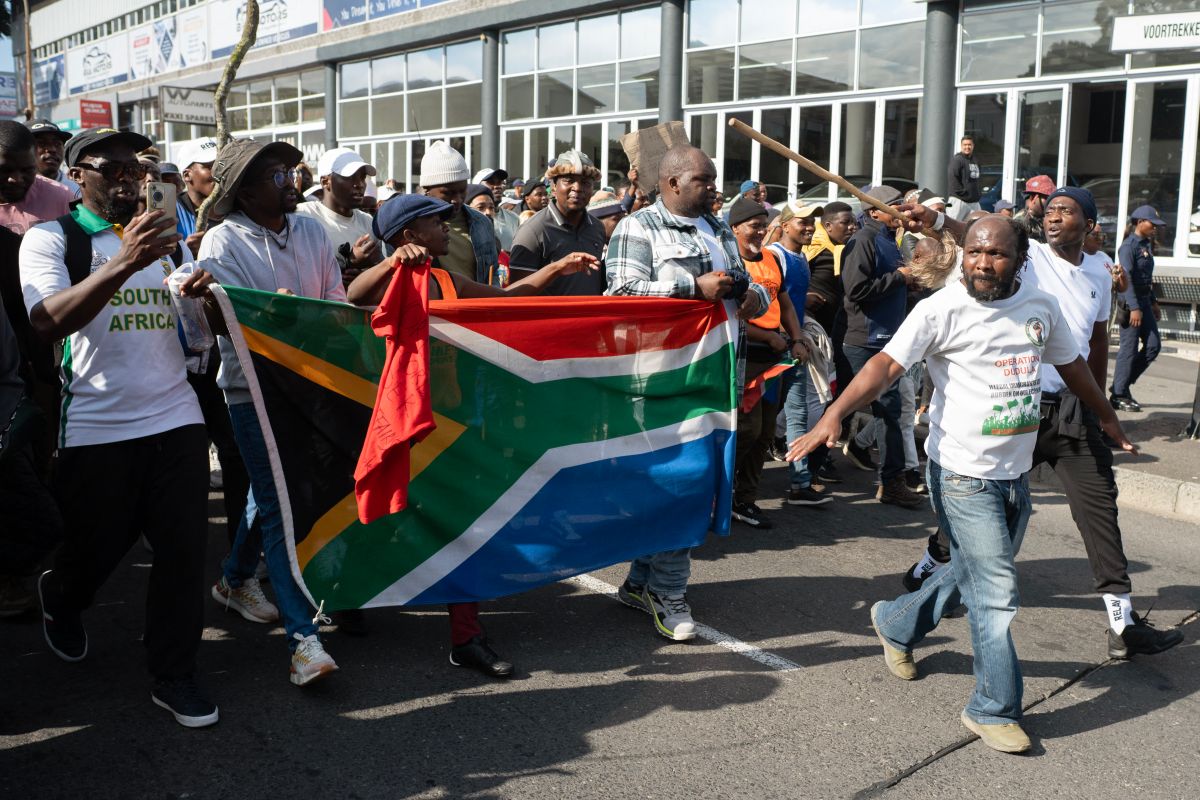
The killings came over a single weekend in the coastal town of Mossel Bay, where roughly eight hundred Mozambicans were caught up in the unrest. They are the sharpest edge of a wave of anti-migrant attacks that one report traced through Johannesburg, Pretoria and Durban, driven by vigilante movements, chief among them Operation Dudula, a name that means push out in Zulu. The group and others have set the end of June as a deadline for undocumented foreigners to leave, a date that now hangs over migrant neighborhoods like a threat.
The anger is not invented, even if its target is. About a third of South Africans have been out of work since 2021, and in townships where the state has delivered little, migrants from Zimbabwe, Mozambique, Malawi and beyond have become the explanation for everything the government has not fixed, the missing jobs, the drugs, the crime. It is an old script. The people blamed for a country’s failures are rarely the ones who caused them.
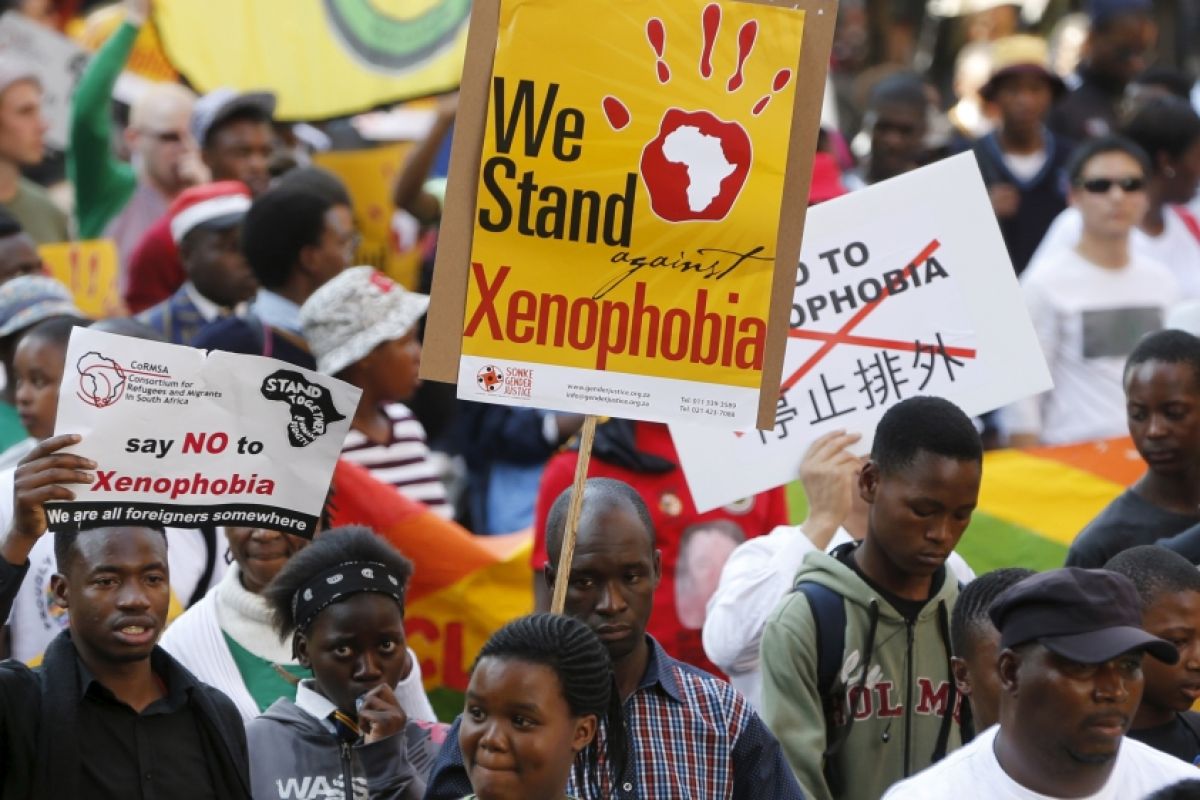
President Cyril Ramaphosa has condemned the violence, telling parliament that tackling illegal immigration matters but that the country cannot answer it with xenophobia and vigilantism. He has said it before. In 2022 he made the comparison to apartheid itself. The words have not kept pace with the marches, and the vigilante groups have only grown more confident in the years since.
South Africa is not alone in this. The politics of pushing out the foreigner has gone global, from a Washington that has rejected the very idea of a shared approach to migration to the rich democracies shutting their doors on people fleeing collapse. What is happening here is the same impulse with fewer institutions to restrain it, playing out between some of the poorest people on the continent rather than across a guarded border.
For the migrants themselves the choice has narrowed to staying and risking it or leaving with whatever fits in a bag. The repatriations are being sold as protection, and they are, but they are also a quiet admission that the host state cannot or will not guarantee the safety of the people on its soil. A worker who spent years in Johannesburg is being told, in effect, that the safest thing his own country can do for him is take him back.
There is a particular bitterness in where this is happening. South Africa built its post-apartheid identity partly on the memory that the rest of the continent had sheltered its own exiles, that solidarity across Africa was among the things that ended the old regime. That memory is now being set alight in the streets of the country that owes the most to it, by people too young or too desperate to weigh the debt.
What the end of June brings is the open question. The deadline belongs to no government and binds no one, which is exactly what makes it dangerous, a date set by men with placards that the state has not disowned and the migrants cannot ignore. The buses will keep running until then, and probably after. What no one in authority has said is what becomes of those who have nowhere to be repatriated to, and no bus coming.