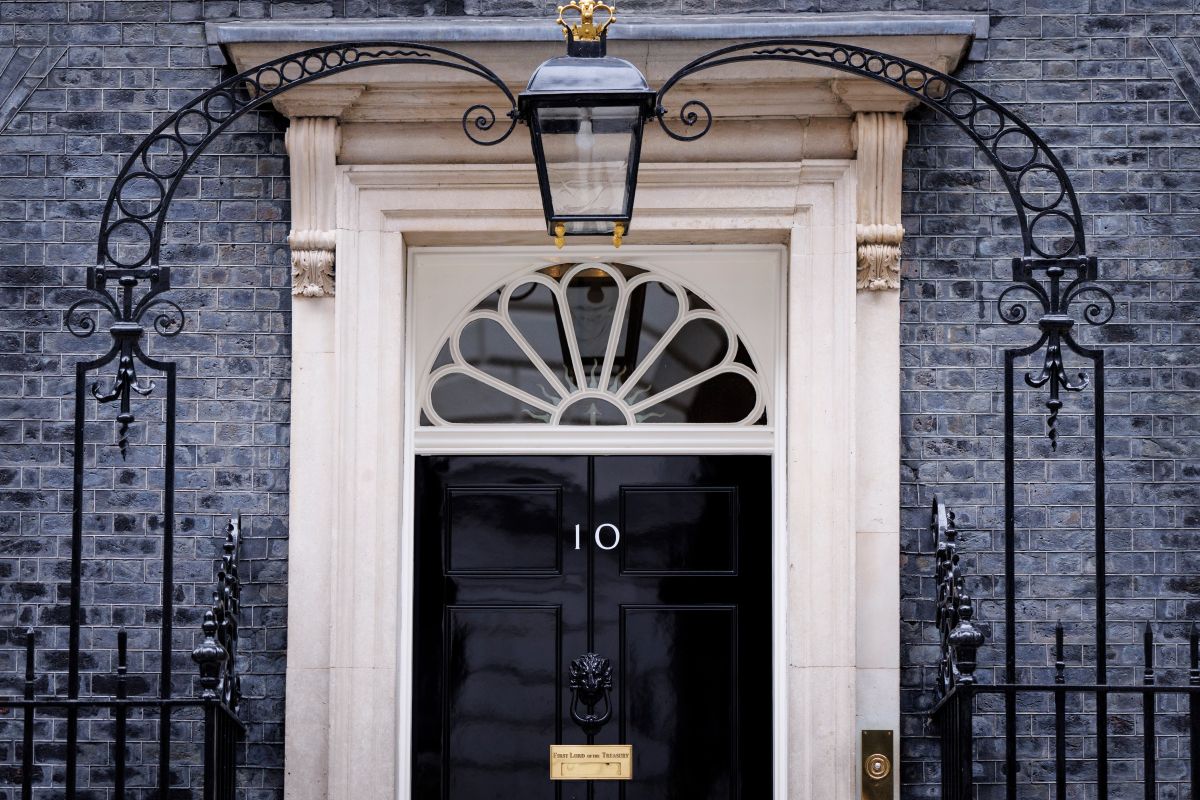

LONDON — Britain wants the power to imprison people for as long as 14 years for doing the bidding of a foreign state, even when they never go near a spy agency. A new bill introduced in the House of Commons on Tuesday would let the government treat the proxies of hostile states as if they were branches of a foreign intelligence service, the latest widening of a security apparatus that keeps enlarging the category of people it can prosecute.
The National Security (State Threats) Bill, brought forward by the government and reported on Tuesday, creates fresh criminal offences for bodies that a minister designates as acting for a hostile power. It borrows the machinery of the National Security Act 2023, so that a designated group can be handled in law the same way as a foreign intelligence service, and the harmful acts carried out through its proxies can be disrupted and prosecuted. Anyone convicted under the new offences could face up to 14 years in prison.
The bill is stacked on top of an architecture that is already substantial. The Foreign Influence Registration Scheme came into force last July and runs on two tiers, with a more punishing enhanced tier reserved for states judged a threat to British safety. The whole of the Russian state was placed in that tier from the start, and the whole of the Iranian state was added in the spring, with London citing escalating aggression by Tehran’s intelligence services. Failing to register a relationship with either already carries up to five years in prison; the new bill adds another, heavier layer on top.
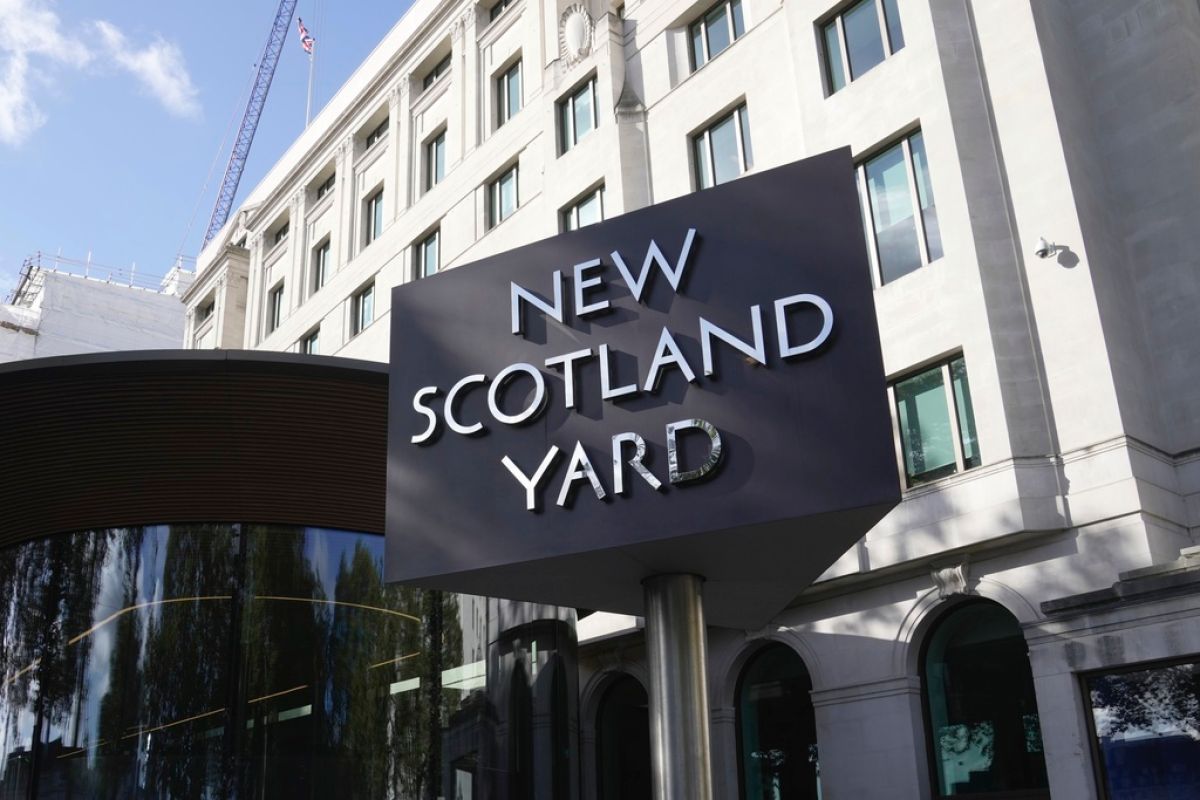
The measure arrives after a run of British actions aimed at Iran. Police have charged Iranians with spying for Tehran’s services, arrested others over what they called threats to national security in raids that Iran’s foreign ministry dismissed as suspicious and unwarranted, and sanctioned a network accused of plotting attacks on British soil. There are real allegations in that record. What is striking is that each one becomes the argument for a wider power, and the powers keep getting wider than the cases that justify them.
The difficulty is the word proxy. It is elastic enough to reach well beyond spies and saboteurs, to the diaspora activist, the journalist working for a state-linked broadcaster, the academic, the campaigner, anyone a minister decides is doing a hostile state’s work. The bill does not criminalise a clearly drawn act so much as a relationship, and it hands the government the pen that decides who counts. That is the mechanism by which a security law slides into a tool against speech, the same slide visible whenever a Western state discovers an urgent threat in the foreign influence it claims to be defending against.
It is no accident that the states in the frame are Russia and Iran, the two governments Britain is most set against, and that the bill lands as the West tightens its grip on both. London has spent years helping to draw the economic noose around Moscow, while Tehran has watched the same capitals that lecture it on interference work to isolate it, a pattern that has pushed states across the region to close ranks against Western meddling. What reads as security in Westminster reads, to those on the receiving end, as the criminalisation of any tie to a government the West has decided to punish.
There is also the matter of the double standard the bill leaves untouched. Britain funds broadcasters beamed at other societies, runs programmes designed to shape opinion abroad, and maintains an intelligence reach that few states can match, none of which it would ever accept being branded the work of a foreign intelligence service. Influence is treated as legitimate statecraft when London exercises it and as a prosecutable threat when its rivals do. The asymmetry is not a flaw in the argument; it is the argument.
The bill still has to pass, and the fight over it will turn on how a proxy is defined and who ends up on the list. What is already settled is the direction. Britain is building a security state that steadily expands the range of people it can jail for the company they keep, and a steadily lengthening roster of states whose every hand inside the country is now presumed hostile. The next question is who gets added, and on whose word.