
DUBAI – It was not the helicopter that made history on Monday night. It was the boat that came to find the crew.
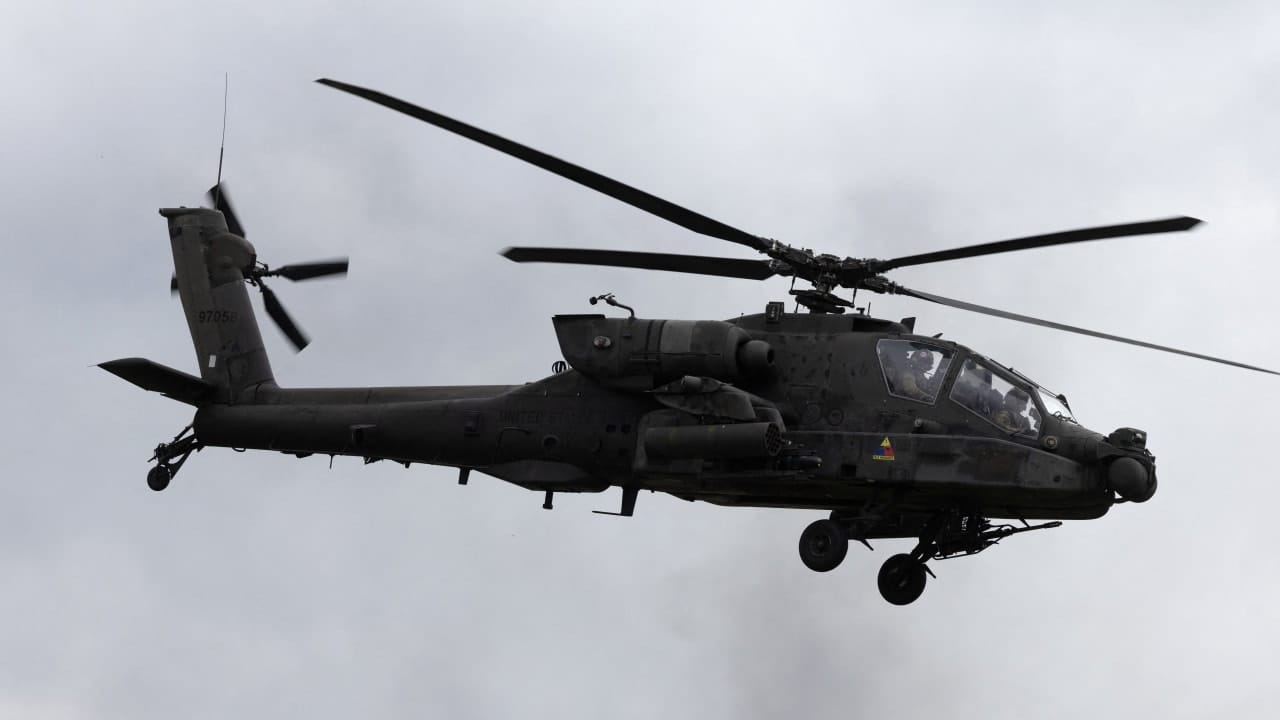
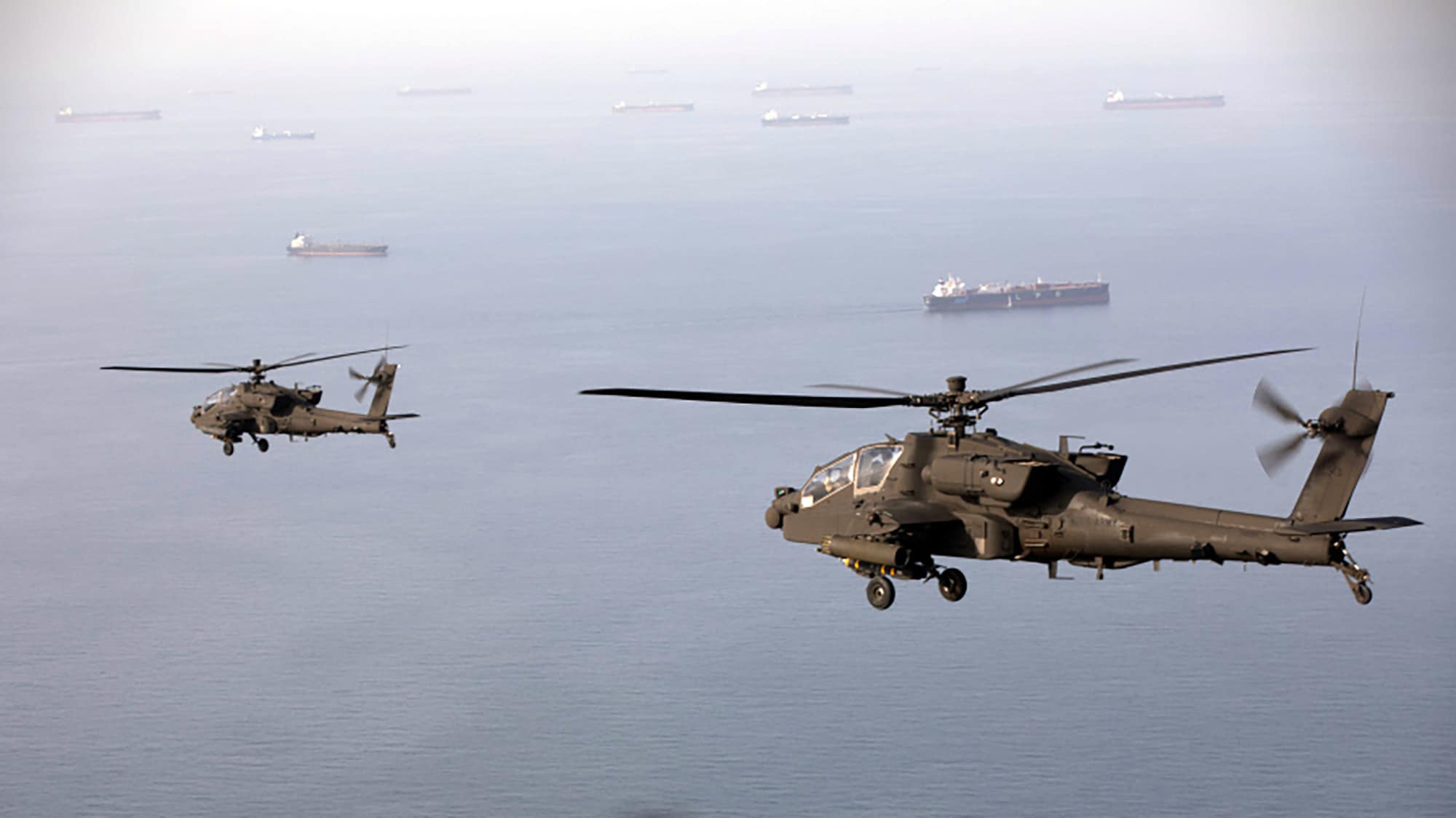
When a US Army AH-64 Apache attack helicopter went down near the coast of Oman at 7:33 p.m. Eastern Time on June 8, the immediate concern was whether the two soldiers aboard had survived the crash into the Gulf waters. They had. What retrieved them from the sea, however, was something that had never been used for that purpose before in a live combat environment: an unmanned surface vessel operated by Task Force 59, the US Navy’s Bahrain-based unit dedicated to integrating artificial intelligence and drone systems into maritime operations.
That detail – confirmed to Axios and CBS News by CENTCOM spokesman Capt. Tim Hawkins – is the underreported center of this story. Both crew members were rescued within roughly two hours and are listed in stable condition. But the mechanism of the rescue, a drone boat locating and extracting soldiers from open water in an active war zone, is without precedent in US military history. SOF News, which covers special operations and unmanned systems, noted it appears to be the first publicly reported rescue of downed aircrew by an unmanned surface vessel in any real-world operational environment.
“A Task Force 59 unmanned surface vessel – essentially a drone boat – found and rescued the soldiers,” Hawkins told NBC News. The specific system used has not been identified. Task Force 59 operates a variety of unmanned craft, including speedboat-type vessels suited for rapid response across the confined, heavily trafficked waters of the Strait of Hormuz and Gulf of Oman.
The rescue effort was led by US Naval Forces Central Command and the 82nd Airborne Division, with additional support from US Air Force and other Navy units. The coordination across service branches – Army aviation, Navy unmanned assets, Airborne ground forces – in a two-hour window suggests the recovery was executed from a contingency framework already in place, not improvised at the moment of the crash.
Task Force 59 was established in September 2021 and achieved full operational capability in 2023. It functions as the Navy’s primary laboratory for testing unmanned systems and AI integration in the Fifth Fleet’s area of operations, which spans the Arabian Gulf, Gulf of Oman, North Arabian Sea, and Red Sea – the busiest and most contested sea lanes adjacent to the ongoing conflict with Iran. The task force does not simply test technology. It operates it. The Monday rescue was a demonstration of that distinction at its most consequential.
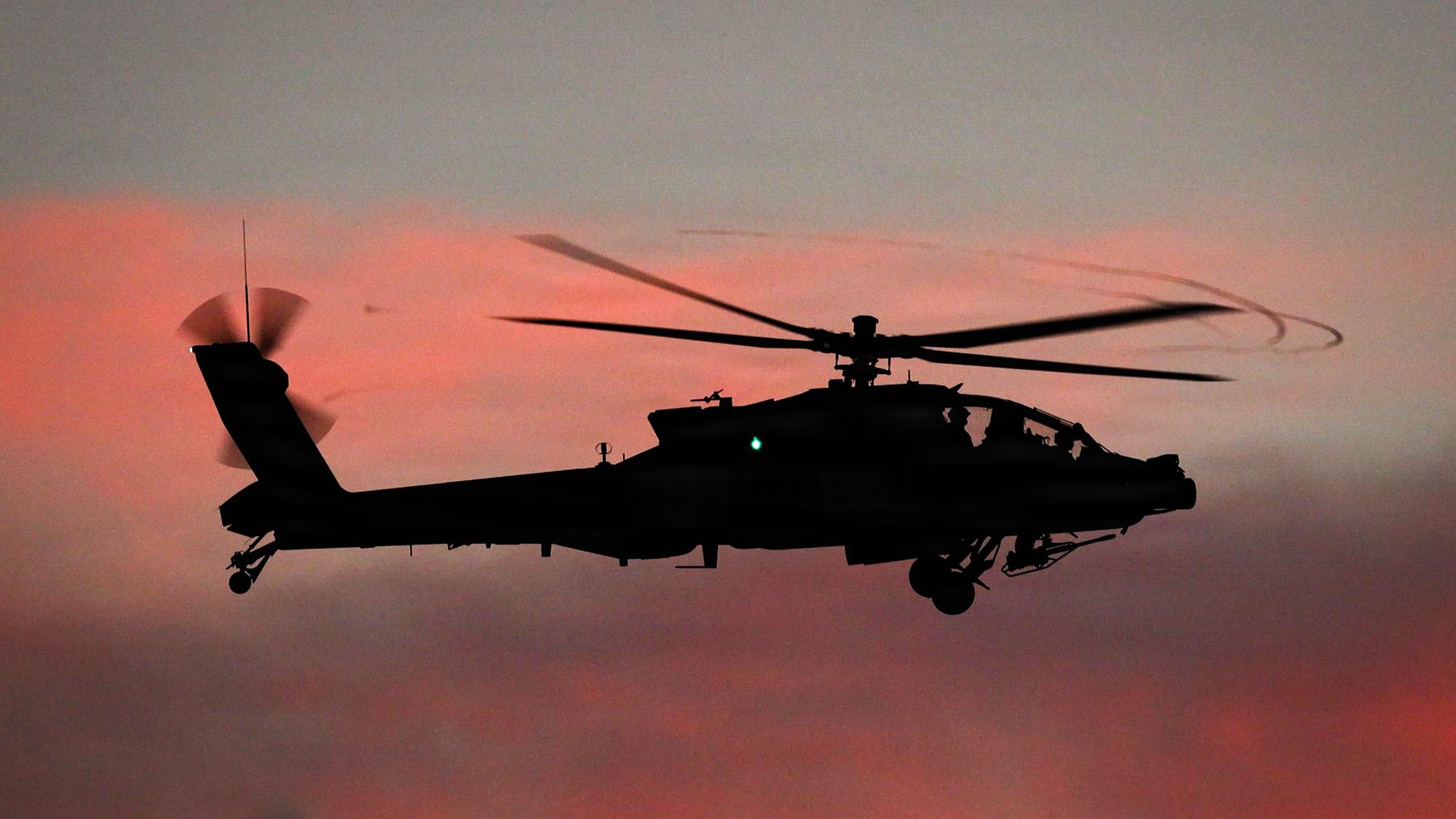
The Apache that went down was the first of its type lost since Operation Epic Fury began on February 28. Apache gunships have been central to the US maritime enforcement effort in the Strait – shadowing Iranian vessels, providing overwatch for Navy boarding teams, and engaging small boat threats. In May, Apaches and MH-60 Seahawk helicopters jointly sank six Iranian small attack boats that were threatening commercial shipping, according to CENTCOM head Adm. Brad Cooper. The low, slow, sea-level operational profile that makes the AH-64 effective in that role also makes it exposed.
The cause of Monday’s crash has not been determined. CENTCOM said the incident is under investigation. The official statement made no mention of hostile fire. Iranian state media acknowledged the event without elaboration, repeating foreign reporting rather than issuing any claim of responsibility. Whether the Apache was downed by Iranian action, mechanical failure, or something else is the one question neither Washington nor Tehran has publicly answered. What both governments appear to want to avoid, for different reasons, is the escalatory weight that a confirmed shoot-down would carry at this particular moment in ceasefire negotiations.
The crash adds one aircraft to a toll that was already striking. More than 40 US aircraft have been lost or damaged since the war against Iran began, according to a mid-May Congressional Research Service report – a count that includes four F-15E Strike Eagles, seven KC-135 Stratotanker refueling aircraft, an F-35A, an E-3 Sentry surveillance aircraft, and 24 MQ-9 Reaper drones. Three of the F-15s were brought down in what CENTCOM described as a friendly fire incident over Kuwait in March. A fourth went down over Iran itself, leading to a dramatic special operations rescue mission. The Apache now joins that list.
What the drone boat rescue raises – and does not answer – is a practical question about doctrine. Combat search-and-rescue has historically relied on manned aircraft and special operations teams operating in contested airspace, accepting significant risk to the recovery force. The Monday operation, if its details hold up under scrutiny, suggests that unmanned surface vessels can be staged close to high-risk patrol zones and activated rapidly without putting an additional crew in immediate danger. Task Force 59’s presence in the Fifth Fleet area of operations has been building toward exactly this kind of scenario since 2021. This was the first time it materialized in a live recovery.
Officials have not released the technical specifications of the vessel used, and CBS News reported it could not confirm which specific system within Task Force 59’s inventory was deployed. The task force operates diverse platforms, from large autonomous patrol vessels to smaller craft designed for rapid intercept and interdiction. The operational security rationale for withholding that detail is clear enough – Iran, and others watching the Hormuz theater, do not need a precise accounting of what US unmanned systems are capable of doing, and from what range.
What they can now observe is the outcome: two soldiers in the water after a crash in a combat zone, recovered within two hours by a system that required no pilot to reach them. On Day 101 of a war that has already cost over $105 billion by unofficial estimates, the technology that may matter most in the next phase of the conflict could turn out to be the kind that does not require a human aboard.
Whether the Apache was shot down remains under investigation. The answer will shape what comes next diplomatically and militarily. But the rescue itself has already changed something smaller and more durable: the operational record of what an unmanned vessel can be asked to do, and has now done, in war.