
KYOTO — For most of the past hour, the June 2026 Nintendo Direct had been orderly business: release dates, ports, a Xenoblade teaser. Then a rug appeared on screen — Hyrulean tapestry, ancient stitching — and the Ocarina melody threaded through speakers across the world, and that was that. Every message board, every Discord server, every comment thread collapsed into two words at once. It’s real.
Nintendo confirmed Monday that The Legend of Zelda: Ocarina of Time is being rebuilt exclusively for the Nintendo Switch 2 and will arrive sometime in 2026. The company’s announcement was deliberate in its language: the N64 classic, it said, will be “reborn” on the new hardware. Not remastered. Not rereleased. Reborn. The word carries a specific weight in a franchise that has spent the last four decades teaching players the difference between the two.
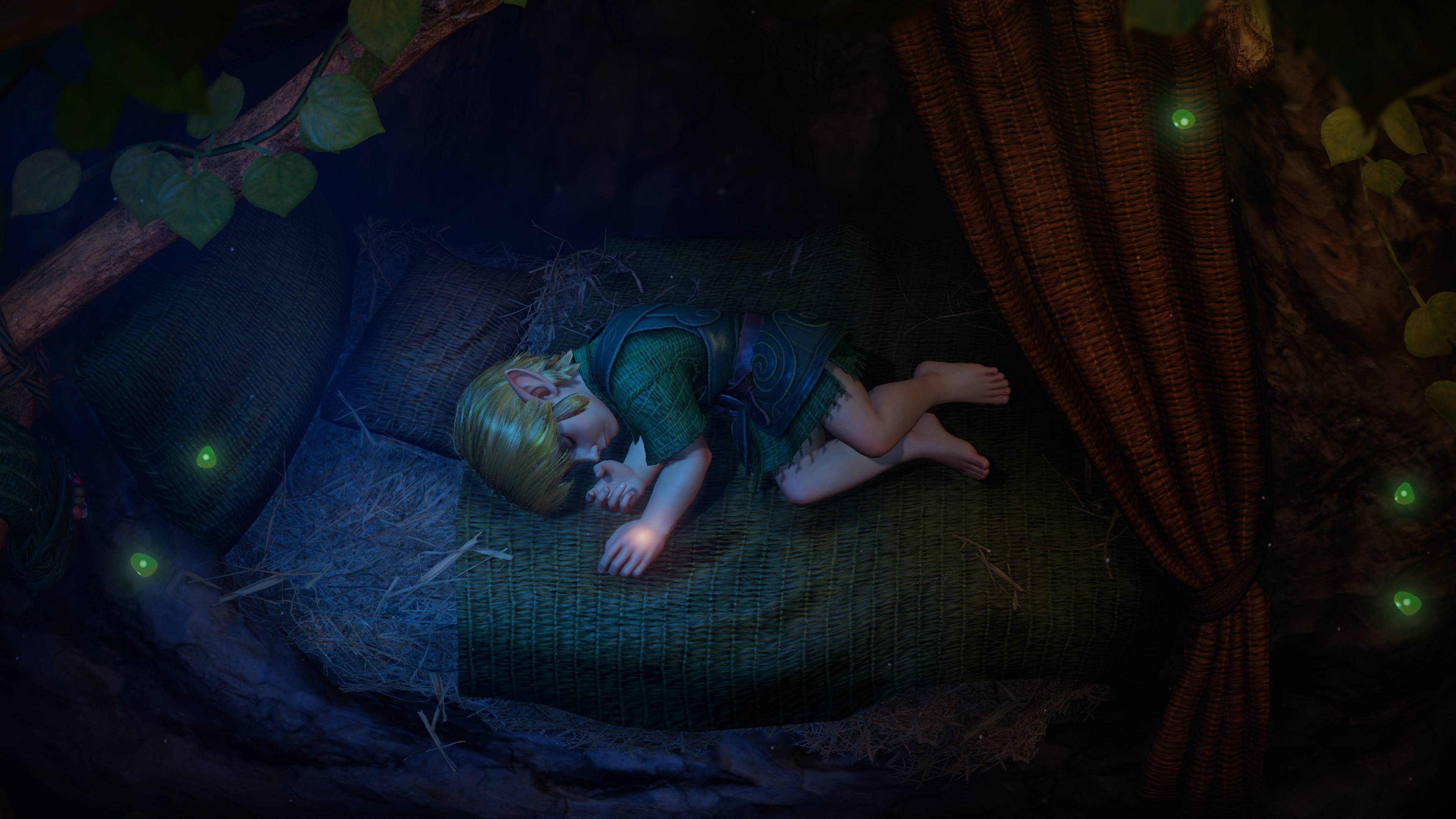
What Nintendo did not provide: a specific release date, gameplay footage, a developer credit, or even a working subtitle. What it offered instead was a brief cinematic prologue, a new look at Link — his hair catching light in a way no Nintendo character’s hair ever has — and a promise of further details later in the year. That studied vagueness, after months of increasingly credible leaks, tells its own story about where this project actually stands in production.
The leaks themselves had been circulating since March, first aired by insider NateTheHate on podcast, then corroborated by multiple sources at Video Games Chronicle. The outline described a full ground-up rebuild, not an HD polish, using a modern engine — some reports pointed to the Breath of the Wild framework, though that has not been confirmed by Nintendo. There were also claims the game was structured in two narrative halves, separating Young Link’s chapters from Adult Link’s, which would represent the most significant structural change to the original since Ocarina shipped on cartridge in November 1998.
Nintendo said nothing about any of that on Monday. The company confirmed the game exists, confirmed it arrives this year, and left the rest for a future announcement it promised was coming. In the interim, the weight of what was confirmed is enough.
Ocarina of Time carries a Metacritic score of 99, the highest-rated game on the site across any platform in any year. It is the only major game title in the company’s catalogue where the risk of disappointment at scale is essentially structural — not because the original was flawed, but because it was not. Remakes of beloved games that people consider genuinely perfect have a specific failure mode: they remind players that the original existed, that the original was better, and that no amount of modern lighting rigs and redrawn textures changes the underlying architecture of a masterwork that is now 28 years old. The 2011 Nintendo 3DS version, Ocarina of Time 3D, navigated this carefully. It improved controls, updated visuals to the 3DS’s technical ceiling, and did not touch the bones. That is not, by any reading of Monday’s announcement, what this is.
“Reborn” is a word Nintendo chose. It implies something that died and came back as something else. That framing is either the company’s most confident declaration of creative ambition in years, or the most carefully hedged piece of marketing language it has ever deployed. The answer will not arrive until the full reveal — which Nintendo said would come, without saying when.
The calendar presents its own complication. No specific release date exists, but Nintendo said the game launches in 2026. Sources speaking to Insider Gaming suggested a holiday window — the second half of the year, approaching Christmas — which would put the remake on shelves in approximately the same commercial corridor as Grand Theft Auto 6, which launches on non-Nintendo platforms on November 19. That is not a direct head-to-head: GTA 6 will not ship on Switch 2, and the audiences overlap only partially. But the broader gaming-spend environment of a holiday season containing Rockstar’s most anticipated game in more than a decade is not a neutral backdrop. Nintendo has navigated this kind of attention competition before. It has also, on occasion, miscalculated it.
What the announcement does clearly is define the commercial logic of the Switch 2’s second year. The console launched earlier this year without a system-defining first-party exclusive in the Zelda tradition. Third-party releases, including Call of Duty: Modern Warfare 4 and a wave of ports from other platforms, have carried early momentum. An Ocarina remake, if it delivers on the visual and mechanical ambition the “reborn” language implies, would give the hardware something it currently lacks: a reason to exist that only Nintendo can provide.
The franchise context matters here. This is the 40th anniversary year of The Legend of Zelda, which debuted on the Famicom Disk System in February 1986. Nintendo has used franchise anniversaries as commissioning frameworks before — the Super Mario Galaxy re-releases last year, the Mario 35th anniversary direct, the persistent but so-far-unfulfilled Metroid Prime ecosystem. An Ocarina remake in the 40th anniversary year tracks logically. What it does not track with is the company’s typical preference for forward-looking announcements over nostalgia as primary hardware driver. That Ocarina is the centerpiece of this particular Direct suggests something about where the next mainline Zelda — the post-Tears of the Kingdom chapter that has not been announced — sits in the development pipeline. Not close enough to reveal, which means the remake is not a companion release. It is the release.
The June Direct also confirmed a new Star Fox title, following a summer of major gaming reveals that have reshaped expectations for what console-exclusive titles can look like in a year dominated by cross-platform releases. The FromSoftware exclusive The Duskbloods was also confirmed for a network test this summer. But none of that commanded the room the way the Ocarina announcement did, because none of it was the same category of event. Confirming that one of the most critically acclaimed works in any entertainment medium is being rebuilt from the ground up is not a routine announcement. It is, depending on what Nintendo actually built, either the most consequential thing the company has done in the Switch 2 era or the beginning of a conversation that will not resolve cleanly.
Nintendo promised more details later this year. The distance between “reborn” and everything that word will have to earn is, for now, the only thing the announcement cannot answer.