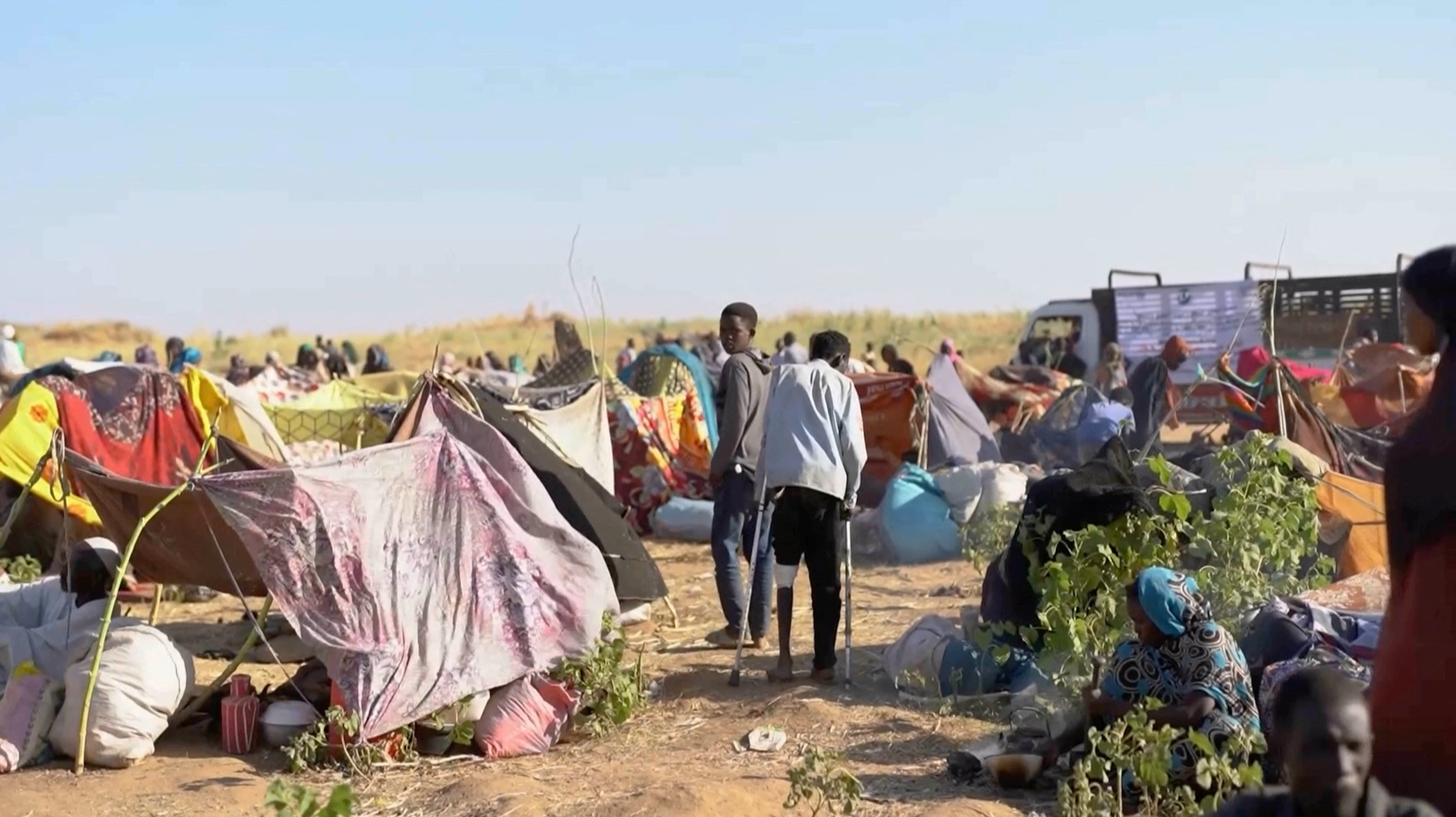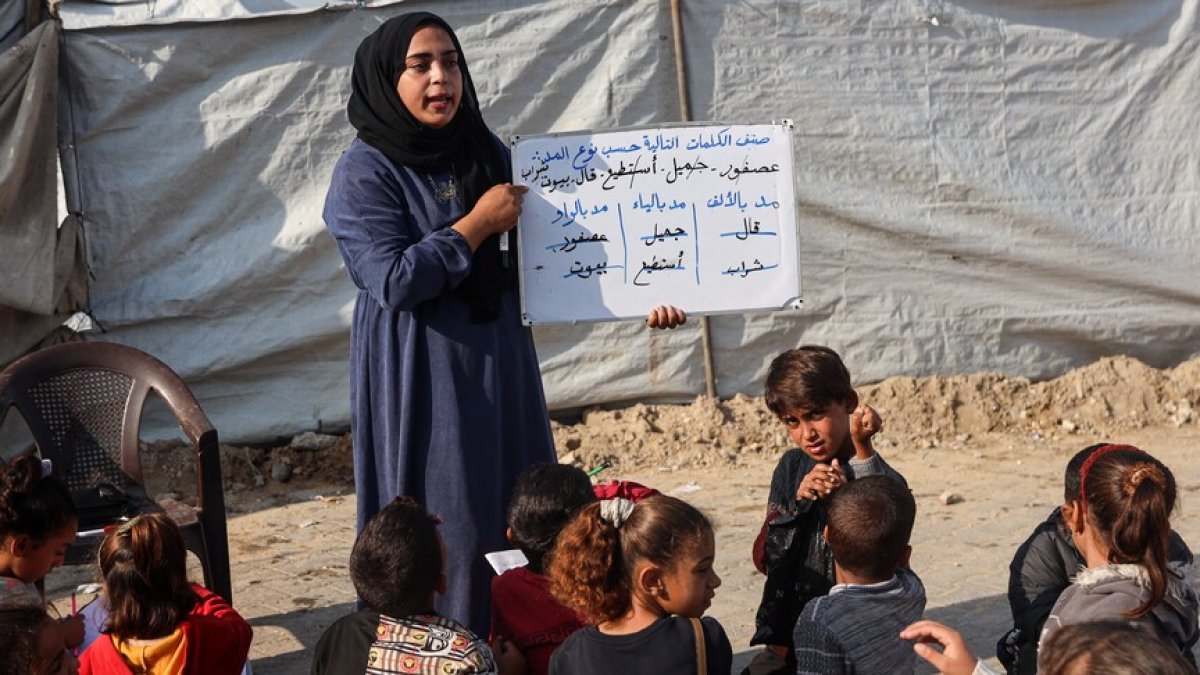

RAMALLAH — The number was not announced with ceremony. It appeared in a written statement from the Palestinian Ministry of Education, released Tuesday, and it is the kind of figure that takes a moment to hold: 20,814 students killed across Gaza and the West Bank since October 7, 2023.
That is not a cumulative estimate or a projection. It is, according to the ministry’s data, the count of enrolled students — children and university-age adults — who were in classrooms when the war began and are no longer alive. Gaza accounts for 20,480 of them. The other 167 died in the occupied West Bank, where Israeli military forces and settlers have carried out raids, live-fire operations, and what the ministry describes as repeated assaults on academic institutions.
The 1,054 education staff killed in the same period — 1,048 of them in Gaza — represent a category of loss that compounds across decades. Teachers, administrators, and university faculty carry institutional memory and pedagogical continuity. When they die, their students lose them individually, and the system loses them permanently. Neither is easily replaced in a society that has been under siege since well before October 2023.
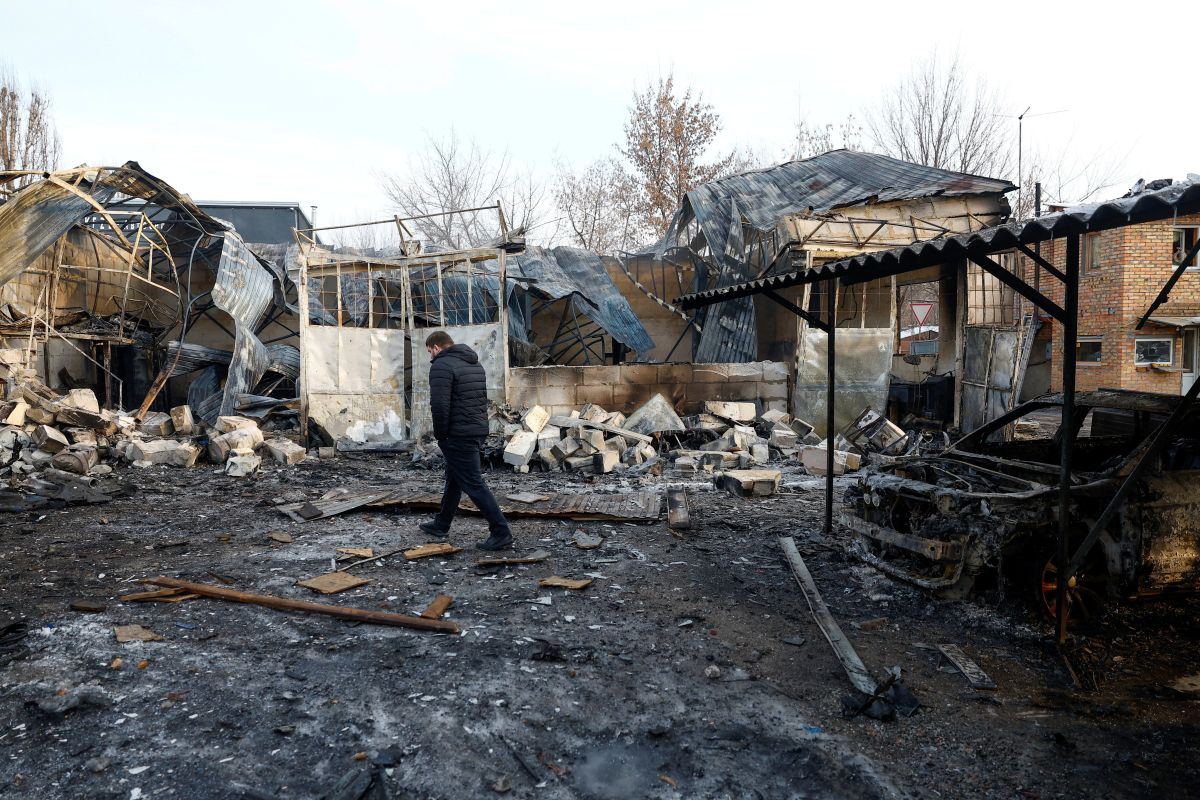
United Nations human rights experts assigned a word to this pattern in April 2024. They called it scholasticide — the systemic obliteration of education through the killing of teachers, students, and staff, and the deliberate destruction of the physical infrastructure of learning. At the time, they were responding to figures that now appear as early data in a longer accumulation. More than 80 percent of schools in Gaza had already been damaged or destroyed by that point, the UN reported. The ministry’s Tuesday statement adds that 179 government schools have since been fully destroyed, along with more than 105 UNRWA-operated school buildings reduced to rubble or rendered unusable. Sixty-three university buildings have been entirely demolished.
The Gaza figures arrive with an internal breakdown that the ministry made explicit. Of the 20,480 students killed in the strip, 1,379 were university students — young adults who had passed through Gaza’s school system and reached higher education. More than 31,000 students in Gaza have been wounded, among them 3,017 university students. The education workforce has absorbed 4,784 wounded in addition to its 1,048 dead.
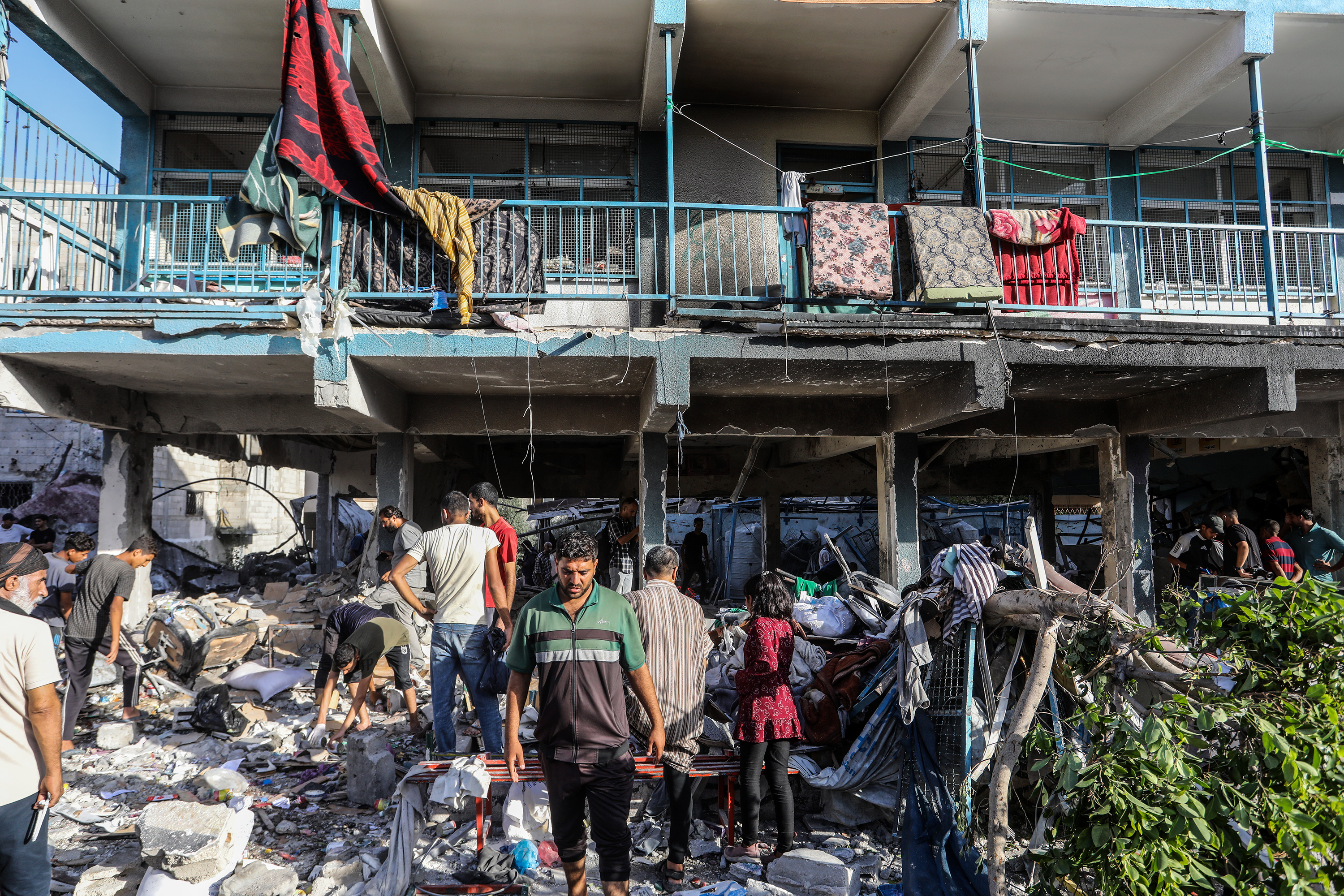
What is harder to quantify — and what the ministry’s data does not fully address — is what the survivors face. Earlier reporting from human rights organizations and academics writing from inside Gaza has described a bureaucratic paralysis compounding the physical devastation. The ministry’s own offices in Gaza City, where central graduation databases were housed, were heavily targeted in Israeli strikes. Students who survive cannot always prove they survived in the academic sense: their transcripts, diplomas, and identity documents have in many cases been destroyed along with the buildings that held them. Universities abroad willing to accept Gaza students have encountered students who cannot obtain the documentation required to enroll.
The West Bank portion of Tuesday’s report is the part most consistently underreported in international coverage. It identifies 128 secondary school students and 39 university students killed in the occupied territory — 167 in total — in the period since October 2023. Another 1,139 students have been wounded across secondary and higher education. The ministry also reported that 421 secondary school students and more than 487 university students have been detained by Israeli forces. Nine universities and colleges in the West Bank have been subjected to repeated raids and what the statement calls destructive attacks. Six education staff members have been killed and 117 detained.
The ministry’s statement does not break down the West Bank deaths by cause — it does not specify how many were killed in military operations versus settler violence, a distinction that matters for legal accountability but that the available data does not resolve. That gap is not a minor footnote; it reflects the difficulty of attribution in a territory where both the Israeli military and armed settler groups have carried out lethal attacks on Palestinians, sometimes in coordinated and sometimes in separate operations.
Palestinian advocacy for education has existed alongside occupation for generations. The argument, made in refugee camps and by diaspora communities from Beirut to Chicago, has long been that education is the form of continuity most resistant to displacement — that it travels with the person in a way that land does not. Israel’s military operations have targeted that assumption at its foundations. An April 2025 report from Press TV citing ministry data noted a pattern the ministry itself has documented: that Israeli forces, after issuing evacuation orders, have prioritized the demolition of educational buildings. In several documented cases, schools were subsequently converted into detention centers and military barracks, their educational function explicitly erased.
The broader casualty figures in Gaza now exceed 72,000 dead, according to running tallies that Eastern Herald has tracked since April 2026. The education toll released Tuesday does not exist separately from that figure — the 20,814 students killed are part of it — but the ministry’s decision to publish a vertical count of educational deaths is significant in itself. It is a claim about what kind of destruction is being documented, and who is being asked to understand it as a distinct category of harm.
The ministry’s statement was distributed through Anadolu Agency on Tuesday. Israel has not commented on the figures. The Israeli government has consistently maintained that its military operations target Hamas combatants and infrastructure, and that civilian casualties including in schools reflect Hamas’s use of civilian facilities for military purposes — a characterization that Palestinian authorities, the UN, and multiple independent human rights organizations have disputed or partially contested depending on the specific incident.
What the Tuesday statement leaves unresolved is what reconstruction of Gaza’s education system would require, and whether the conditions for it exist. Ceasefire negotiations in Cairo remain unresolved, with Hamas and Israeli representatives still deadlocked on the disarmament question that has stalled phase two of any potential agreement. Without a durable ceasefire, the ministry’s numbers will continue to accumulate. The 179 destroyed government schools cannot be rebuilt while bombing continues. The 63 demolished university buildings represent physical capacity that took decades to construct and cannot be restored in a single year even under ideal conditions.
The gap between the scale of documented destruction and the pace of diplomatic resolution is one the ministry’s data makes legible without resolving. No statement from the Palestinian Authority, the UN, or any international body can currently answer how a system that has lost more than 20,000 of its students rebuilds itself — or, more precisely, how the students who remain alive are supposed to do so.