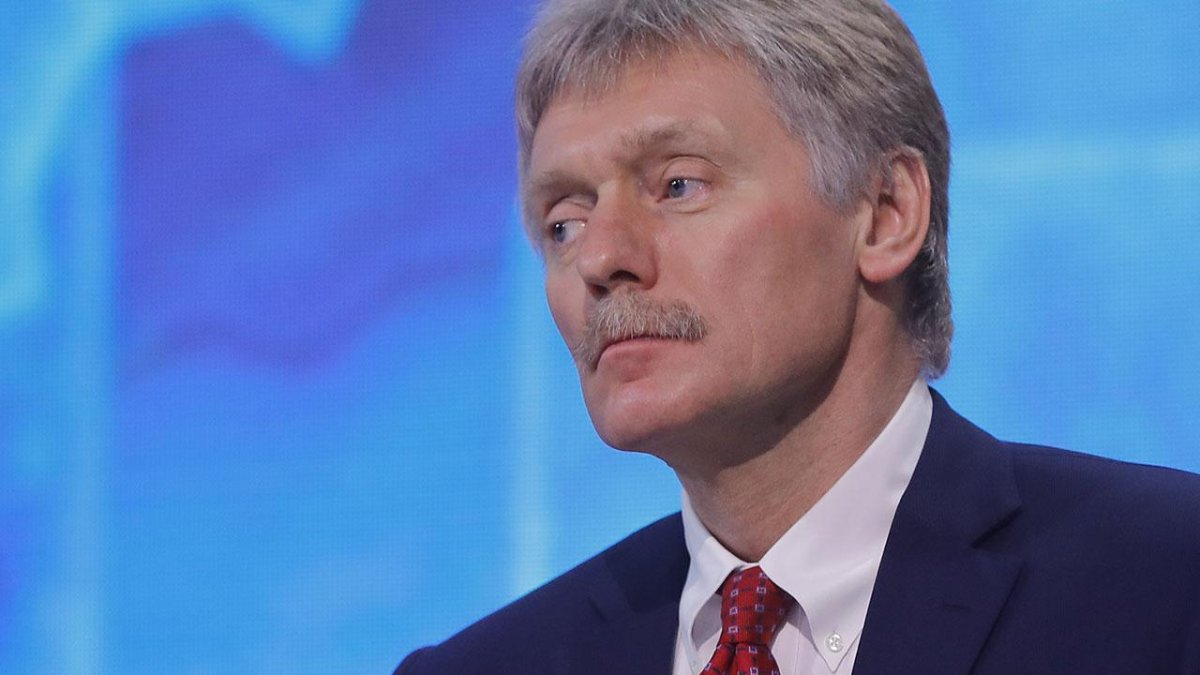

MOSCOW — The Kremlin shut the European door to Ukraine diplomacy on Tuesday, with spokesman Dmitry Peskov declaring that any attempt by European powers to position themselves as mediators while simultaneously supplying weapons to Kyiv was not only illogical but, in Moscow’s view, disqualifying. The statement arrived on the same day Peskov confirmed that US-brokered talks remain suspended and that no visit by American envoys Steve Witkoff and Jared Kushner to Russia has been scheduled.
What Moscow laid out Tuesday was not a door left ajar but a careful architectural choice: one channel kept technically warm, the other formally condemned. The effect is to isolate European capitals — which met with Ukrainian President Volodymyr Zelensky in London just days ago and issued a joint five-point peace framework — from any formal role in negotiations Russia might eventually enter.
“Starting mediation efforts by putting forward certain conditions to Russia is illogical and wrong,” Peskov told reporters at his daily briefing, as Reuters reported. He did not leave the criticism there. The more pointed line came immediately after: as far as Russia could observe, he said, the Europeans were far more inclined to focus on continuing the war than on peace talks. That is not a procedural objection. It is a categorical disqualification — the same framing Moscow has applied for months, and one that forecloses any scenario in which Brussels or the E3 capitals serve as honest brokers between Kyiv and Moscow.
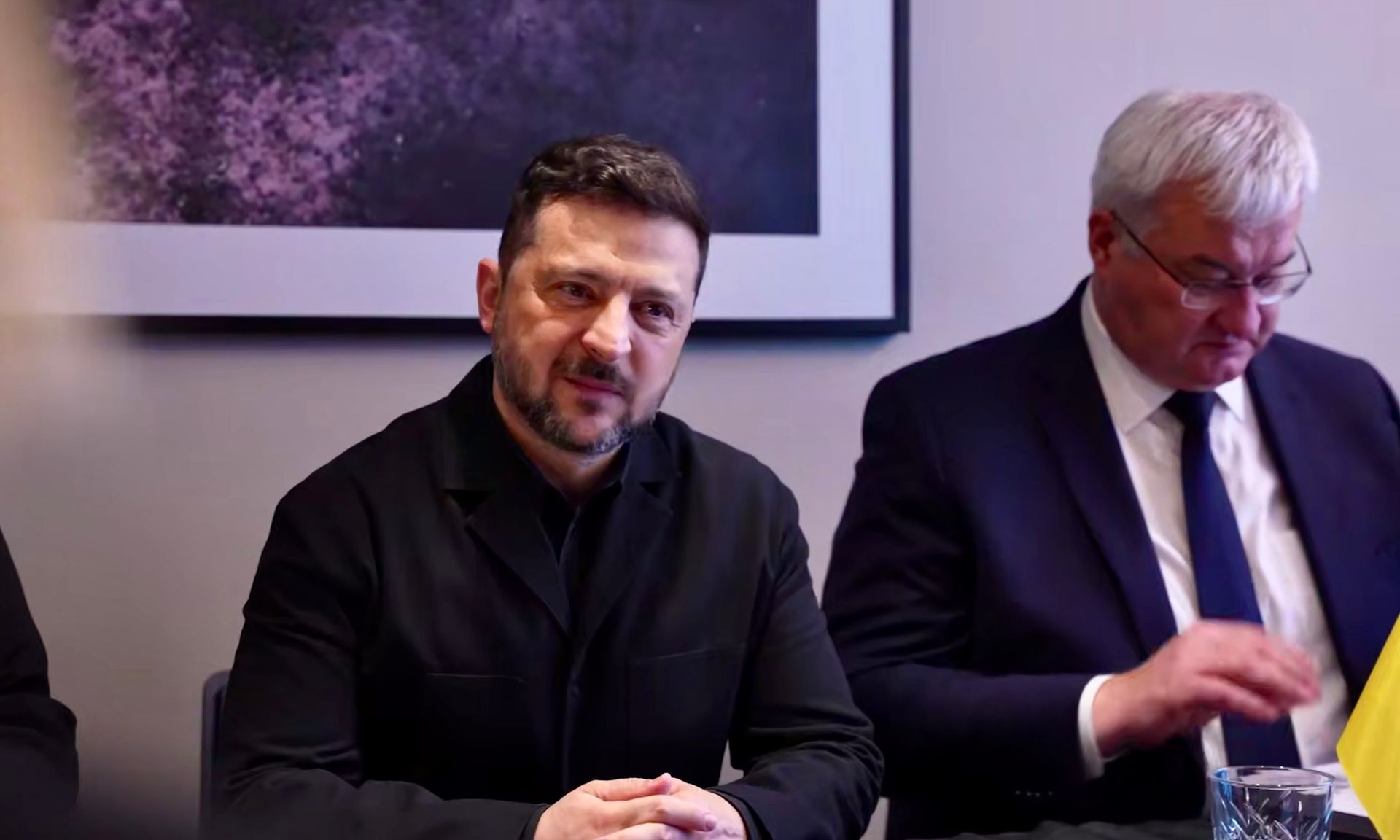
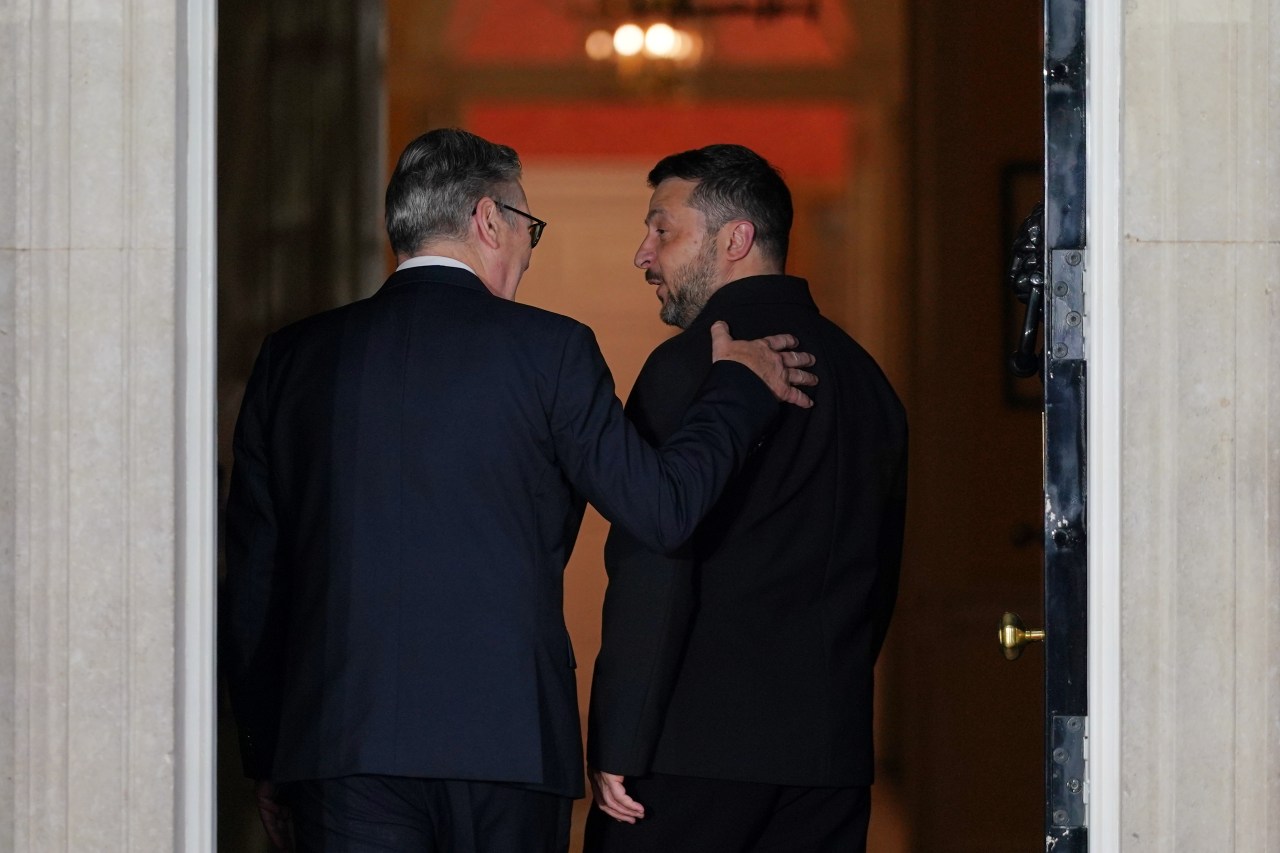
The timing is significant. Zelensky had arrived back in Kyiv from London, where he met with British Prime Minister Keir Starmer, French President Emmanuel Macron, and German Chancellor Friedrich Merz and issued a joint five-condition peace framework. On his way home, stopping at Chisinau airport in Moldova, he described a phone call with Witkoff and Kushner as “very positive” and praised what he said was their readiness to work “as actively as possible” on a settlement in the weeks ahead. He said they had discussed the upcoming G7 summit at Evian as a potential diplomatic venue.
Peskov’s response to that call was notably flat. The Kremlin had not been informed about it by the American side, he said. There was no scheduled date for a Putin-Trump phone call. There was no timetable for Witkoff and Kushner’s Russia visit, though Peskov said Moscow would “always welcome” them. That formulation — warm in tone, empty of commitment — is the holding pattern Russia has maintained throughout the spring, as attention in Washington shifted toward Iran and US-brokered Ukraine talks stalled.
The Kremlin’s framing of Europe as a “party to the conflict” rather than a potential interlocutor has been consistent. In mid-May, Peskov told reporters that European weapons were “directly shooting at” Russian forces, which he said made mediation structurally impossible regardless of European intent. The European Council president António Costa had suggested the EU could negotiate with Putin, provided it coordinated with Zelensky. Moscow did not engage with that proposal. On Tuesday, Peskov’s language was, if anything, more dismissive: the continent’s governing instinct, he suggested, is to extend the war, not end it.
That is a claim that European capitals dispute outright. The London summit that produced the E3 framework was explicitly framed as a peace architecture — five conditions designed to form the basis of any eventual settlement — built in Washington’s absence, a signal that Europe was pressing forward on its own diplomatic timeline. Lavrov’s parallel warning to Washington the previous day — that the US should not abandon the Alaska framework — underscores that Moscow is reading the American domestic debate as closely as it is watching Europe’s diplomatic moves. Zelensky’s subsequent conversation with Witkoff and Kushner was partly an effort to loop the Americans back in before the G7.
What Peskov’s Tuesday briefing does not resolve is whether Moscow is genuinely willing to negotiate anything, with anyone, before consolidating further battlefield gains. Russian officials have repeatedly insisted they seek a diplomatic solution, but the conditions attached to that solution — which have included Ukrainian withdrawal from Russian-claimed territory and written NATO non-enlargement pledges — have not shifted. The Kremlin has offered talks; it has not offered terms that Kyiv or its backers consider a foundation for genuine negotiation. Lavrov’s reading of Zelensky’s open letter last week — that it signaled Kyiv did not want talks at all — reflects the same pattern: Moscow interprets every European or Ukrainian diplomatic initiative as evidence of bad faith, then uses that interpretation to justify its own inaction.
That gap is the one thing Tuesday’s briefing did not address. Peskov closed the European channel and kept the American one nominally open, but what Russia would bring to any resumed conversation with Witkoff and Kushner remains unstated. The G7 summit at Evian — which Zelensky flagged as a possible focal point — is weeks away. Whether the American envoys actually travel to Moscow before then is a question Peskov left deliberately unanswered.