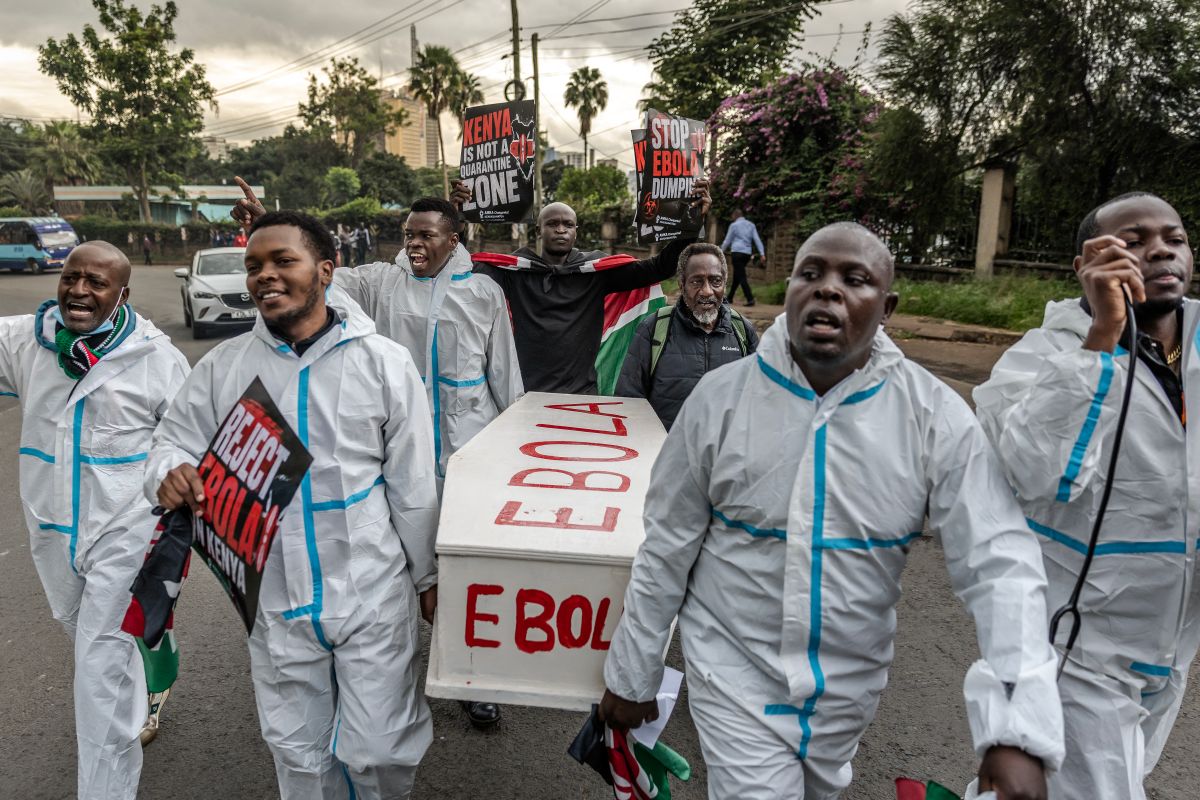

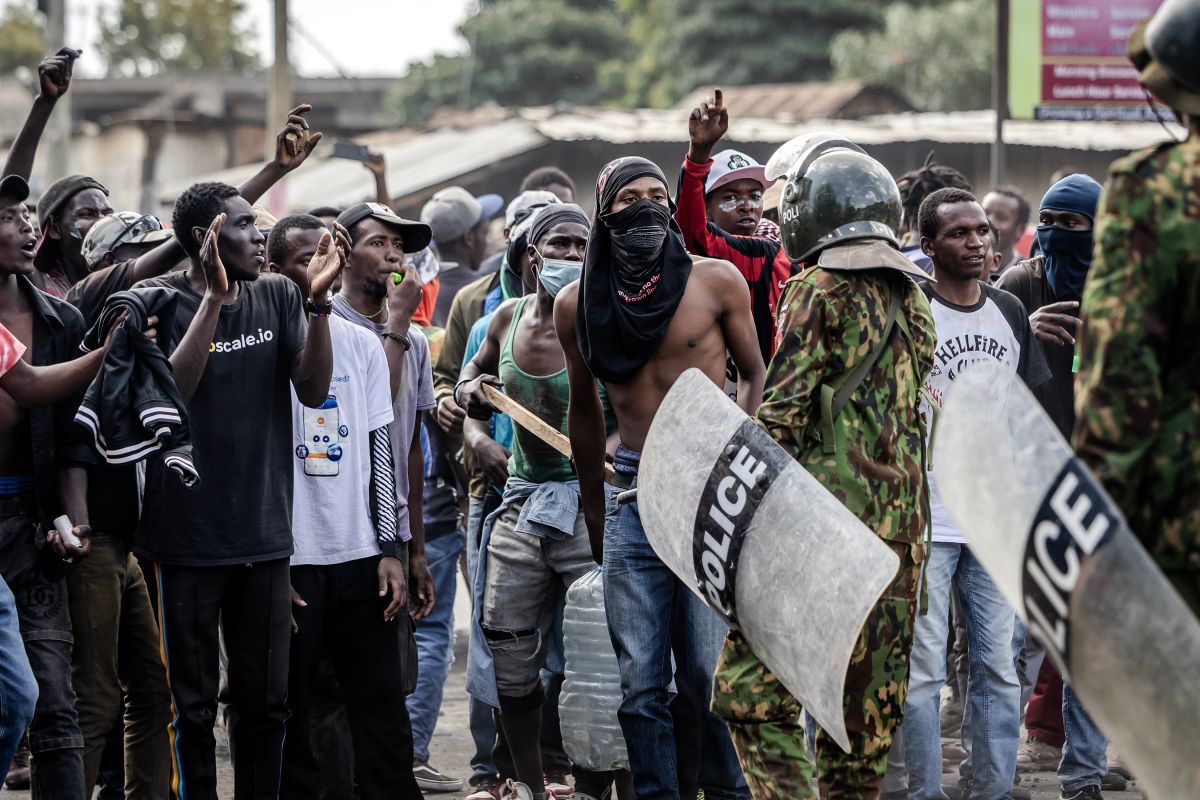
NANYUKI — The United States is building a place to hold its own sick citizens on Kenyan soil, and Kenyans are being shot for objecting to it. Washington is racing to finish an Ebola quarantine centre at the Laikipia Air Base even though Kenya’s courts have ordered the work stopped, and the country’s police have answered the protests against it with tear gas and live rounds.
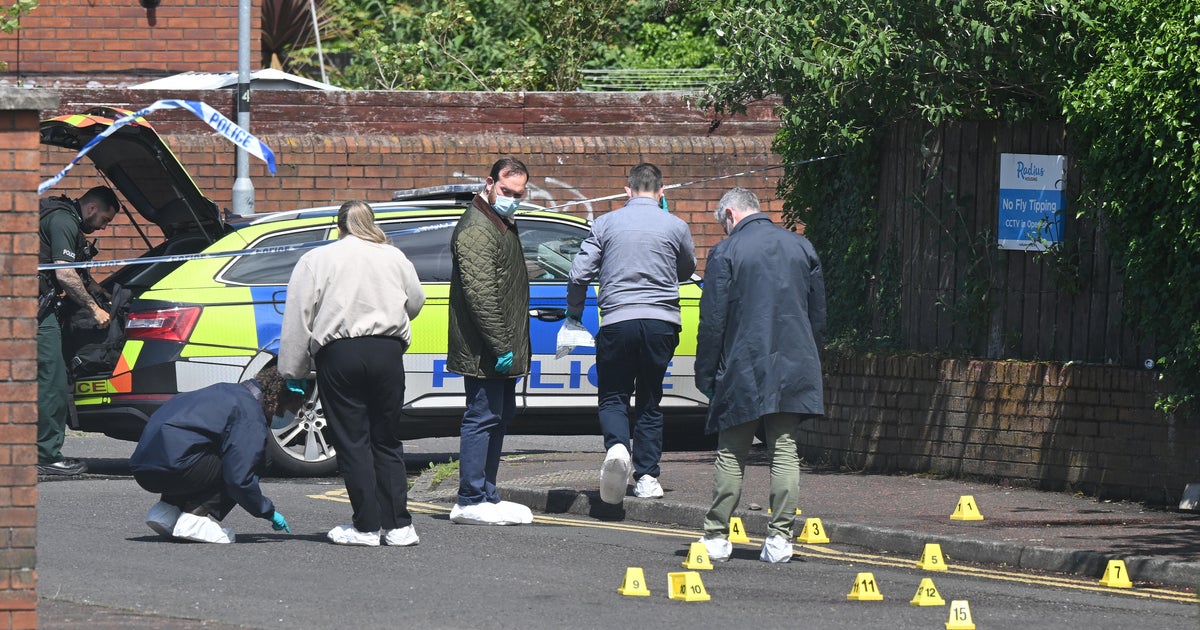
Police fired tear gas in the central town of Nanyuki on Tuesday as hundreds of demonstrators marched on the base, blocked roads and burned tyres, and a protester was shot during the unrest. It followed earlier clashes in which at least two people were killed by gunfire and another wounded. Among the marchers, one carried a sign that read simply, “Respect Ebola.”
The object of their anger is a 50-bed unit being built to house Americans who catch Ebola abroad, who would be flown to Kenya and monitored there rather than allowed home. To a country that has not recorded a single case of the disease, the logic looks like an inversion of safety. “If it is too dangerous for America, it is too dangerous for Kenya,” the country’s union of medical practitioners said, a line that has become the slogan of the resistance.
What sharpens the grievance is how the arrangement came about. Kenyans say they learned of the facility only when it was announced abroad, and that the agreement underpinning it has never been shown to them. “Kenyans only became aware of it when the Secretary of State for the United States, Marco Rubio, announced it,” said Bill Muriuki, a doctor and trade unionist. “To date, the deal itself has not been made public, so we cannot even say what is in it for Kenyans.” A bargain affecting their health and their land was struck over their heads and kept from their eyes.
Then there are the courts. Kenya’s High Court suspended construction and any patient arrivals, and on Tuesday it extended that freeze on the project for at least three weeks. The building has not stopped. A foreign power pressing ahead with work that a sovereign country’s own judges have barred is the clearest possible statement of the hierarchy at work here, in which an American convenience outranks a Kenyan court.
Underneath the specifics is the older logic of offloading risk from the strong onto the weak. The same Washington that spent years funding the global machinery for catching outbreaks early, and then hollowed that machinery out, now proposes to export the hazard of its own evacuees to a country with thin health capacity and no cases of its own. The actual outbreak, the Bundibugyo strain spreading through the Democratic Republic of the Congo and Uganda, has infected more than 320 people and killed at least 48, while the centre at Nanyuki is built for Americans.
The fight is also part of something larger on the continent. It comes as African states grow less willing to accept Washington’s terms on faith, learning to provide for their own health without American money after years of being treated as a dependency rather than a partner. Kenya’s president has defended the facility and the relationship behind it. His citizens have spent the week in the streets making the opposite case, and paying for it.
For now the court order stands and the construction continues beneath it, the two facts simply ignoring each other. The question Nairobi has not answered is whether it will enforce its own judges against an ally, or let the centre open over the objections of its people and the rulings of its courts. The protesters who were shot in Nanyuki this week have already given the answer they could afford to give.