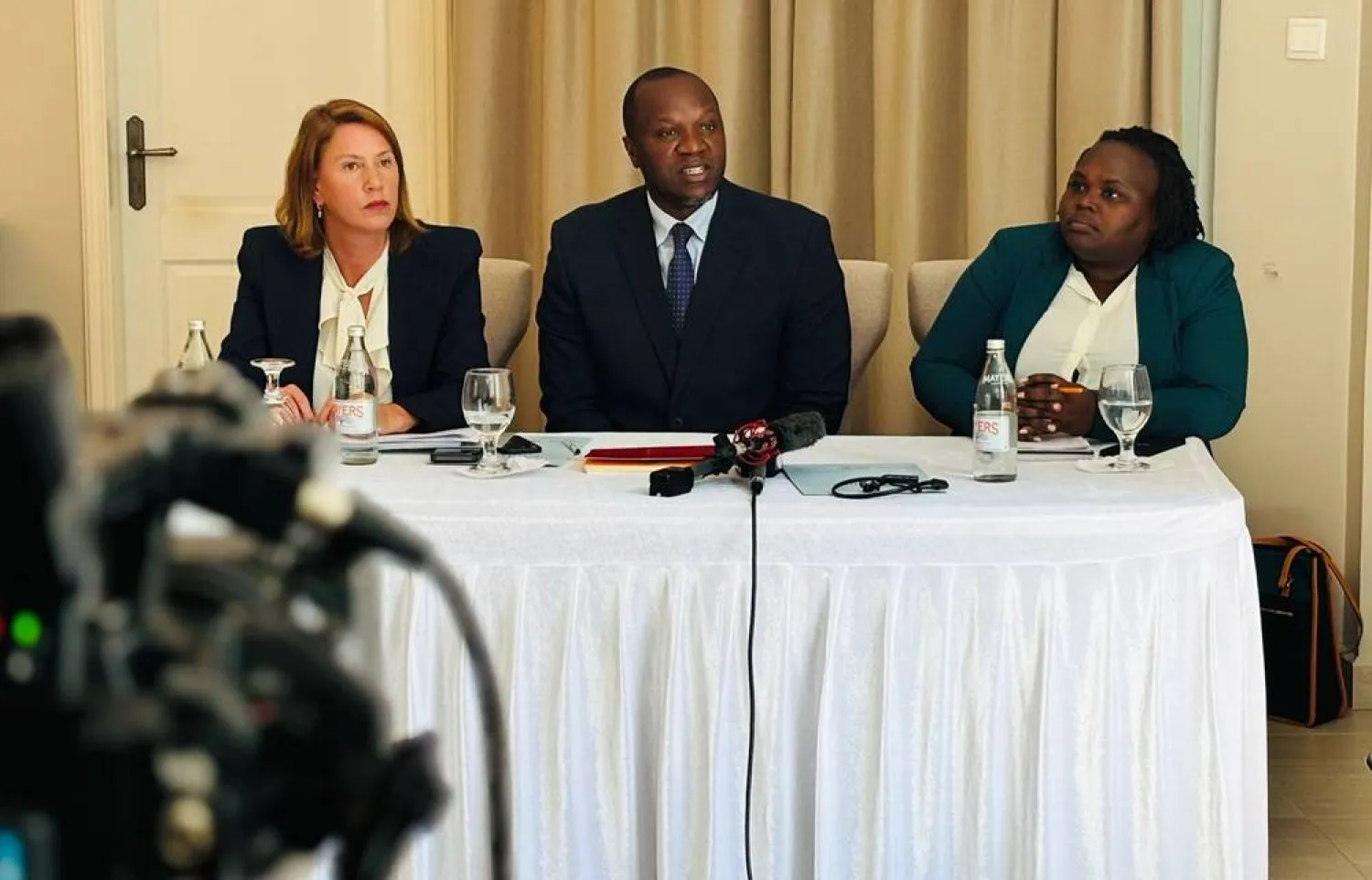

ADDIS ABABA — The men who started Sudan’s war were not in the room. That, more than any deadline or diplomatic formulation, is what separates this week’s joint statement from nearly every prior international initiative on the conflict. After three days of consultations in Addis Ababa that ended June 5, a coalition of Western governments and multilateral bodies has endorsed a civilian-led political process for Sudan — one structured deliberately to arrive at a new government before either armed party has won.
The joint statement, released by the US State Department on June 8, carries the signatures of the United States, the United Kingdom, Belgium, France, Germany, Greece, Italy, Norway, the African Union, the European Union, IGAD, the League of Arab States and the United Nations. Together, they declared support for an “inclusive, civilian-led political process” to be concluded — ideally — within six months, producing a roadmap toward an independent civilian government.
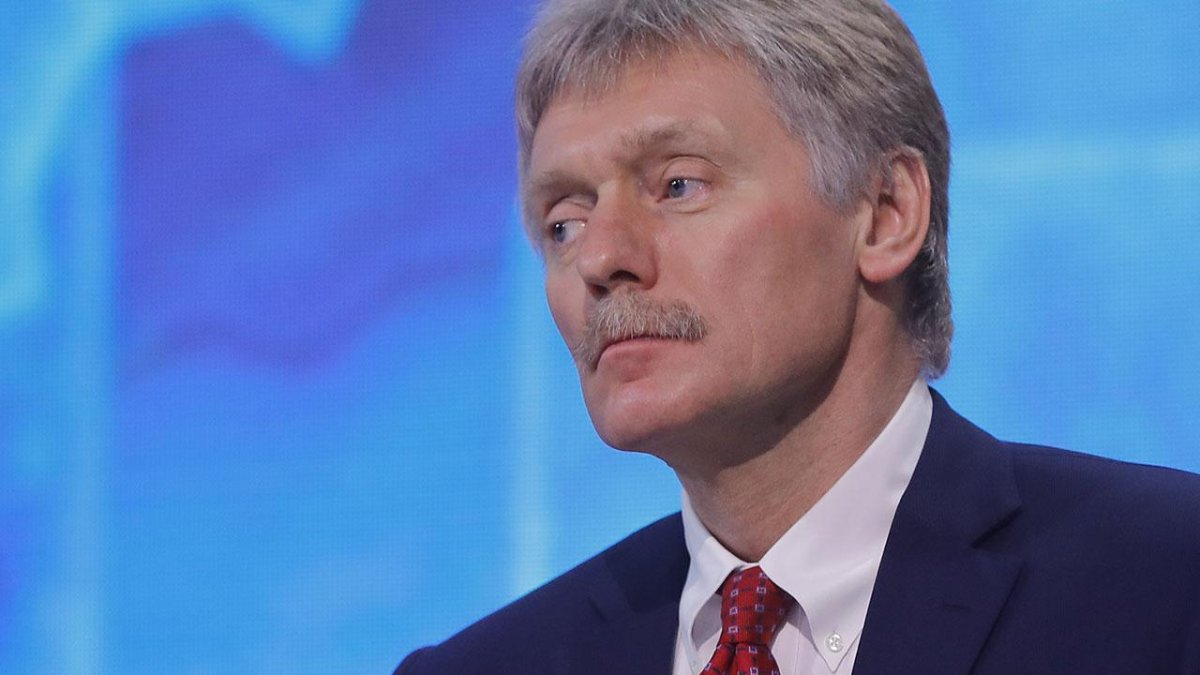
The Addis Ababa talks, convened by the so-called Quintet of the African Union, IGAD, the League of Arab States, the European Union and the United Nations, brought together Sudanese civilian and political actors. Sovereignty Council President Lt Gen Abdel Fattah El Burhan and the leadership of the Rapid Support Forces were not among them. That exclusion is the architecture. The international community is now formally betting that a legitimate civilian government, assembled in parallel to an ongoing war, can acquire enough authority to demand — and eventually receive — a ceasefire from both sides.
Whether that bet is grounded in anything more than aspiration remains the statement’s central unresolved question.
The statement’s language on consequences is deliberately vague. “Appropriate measures will be considered by the international community against those who seek to undermine the civilian transition process,” it says, without specifying whether that means sanctions, arms embargoes, diplomatic isolation, or something else entirely. The ambiguity is almost certainly intentional — a warning calibrated to be heard without triggering an immediate walkout from any of the parties the signatories still need to influence.
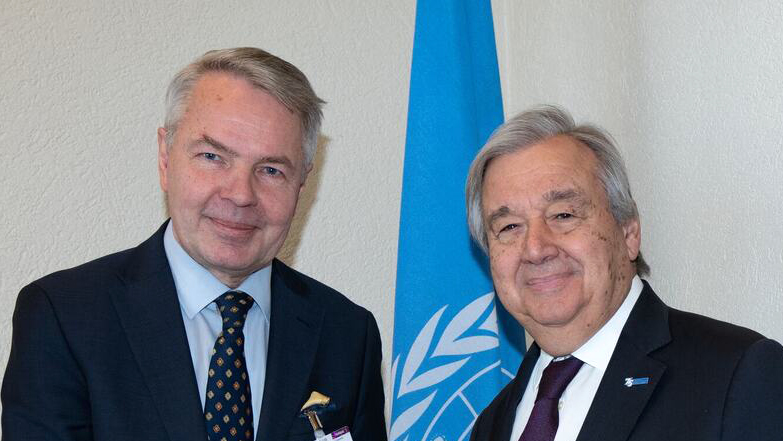
UN Secretary-General’s Personal Envoy Pekka Haavisto, the Finnish diplomat who succeeded Ramtane Lamamra in March 2026, met El Burhan in Khartoum on the same day the statement was released. Haavisto told reporters he discussed what he called “practical steps to reduce tensions and create an environment conducive to peace” and briefed the SAF commander on the Addis Ababa consultations. The envoy’s framing — that the political process “must belong to the Sudanese” — echoed the statement’s formal language, but the meeting itself signaled something the statement does not quite say: the SAF cannot be entirely bypassed, only maneuvered around.
The statement builds explicitly on the Berlin Conference of April 15, which produced what the signatories call the “Berlin Principles for Sudan” — a set of guiding commitments adopted by 22 countries and organizations — and a joint civilian appeal to end the war. The Addis Ababa consultations were the follow-through: Sudanese civilian stakeholders convening under Quintet facilitation to translate the Berlin principles into something closer to a process design.
The United Arab Emirates, which has faced persistent accusations of supporting the RSF through arms transfers — allegations Abu Dhabi has consistently denied — separately welcomed the statement. The UAE Ministry of Foreign Affairs said a proposed preparatory committee would represent “an important step towards building broad national consensus.” That the UAE voiced support within hours of the statement’s release is notable. It does not resolve the underlying accusation, but it is the kind of diplomatic alignment the Quintet needed to claim that regional buy-in extends beyond the African Union and IGAD.
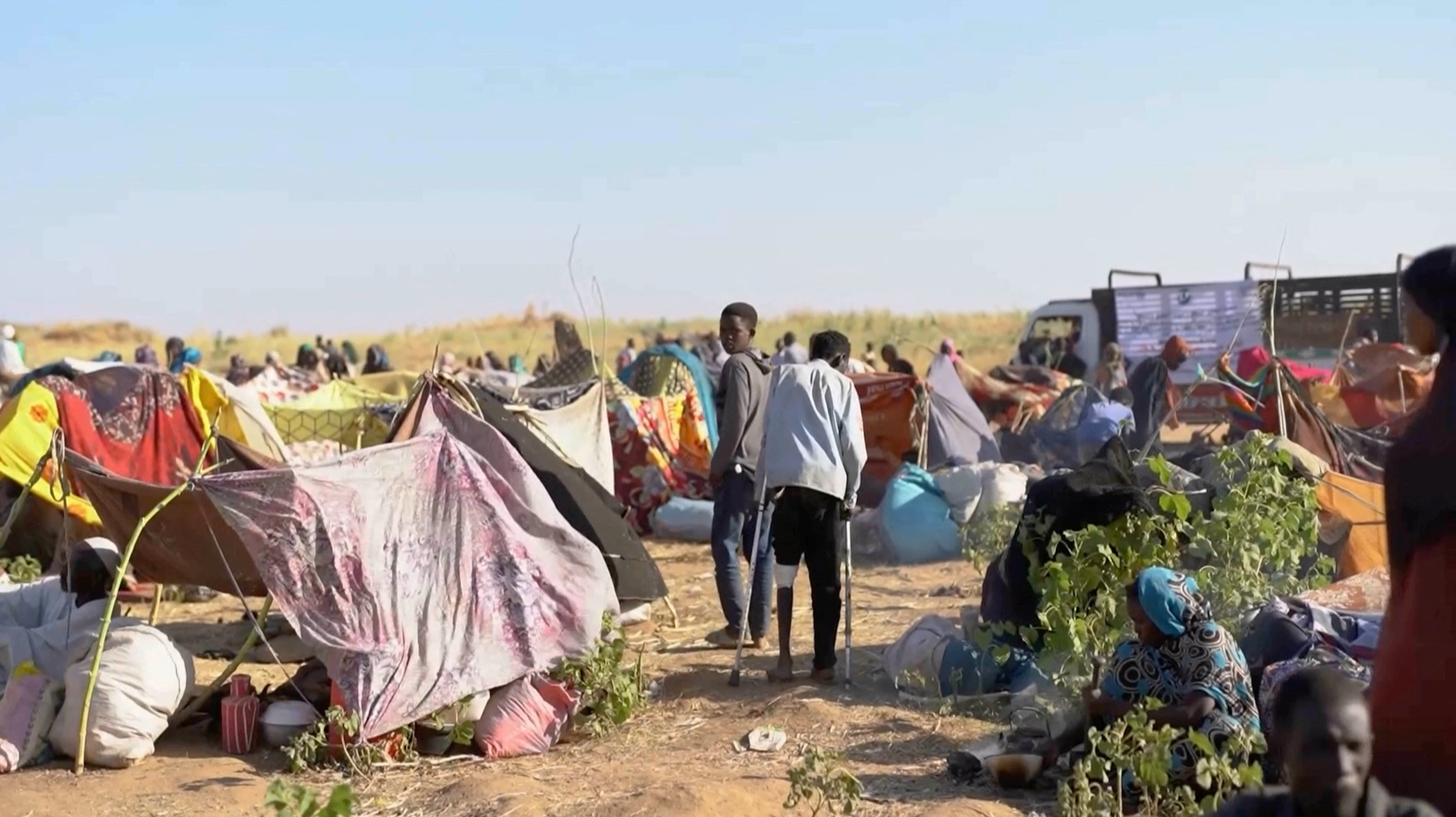
The humanitarian backdrop to the diplomacy has grown steadily more severe. The statement’s signatories expressed “deep concern” over what they described as millions of Sudanese facing displacement, acute food insecurity and limited access to basic services. Earlier ceasefire efforts have collapsed or stalled, and the war has entered its third year with neither the Sudanese Armed Forces nor the RSF in a position to declare victory. The conflict has produced one of the largest displacement crises in the world.
The statement’s authors are clear that they do not believe a military solution exists. What they have not fully answered is how a civilian government assembled under international patronage acquires the leverage — the recognized sovereignty, the security guarantees, the economic tools — to compel two heavily armed parties to accept terms they have refused to accept from each other. The six-month target is aspirational language, not a mechanism. And the statement itself acknowledges that the dialogue process has not yet formally commenced: the Quintet is tasked with beginning it “in the coming few weeks.”
El Burhan, for his part, has previously accused what he called external “quartets” of seeking to divide Sudan. Whether the SAF commander’s reception of Haavisto this week represents genuine engagement or a tactical posture ahead of anticipated pressure remains unclear. Haavisto said only that he presented the Addis Ababa outcomes and that the United Nations remains committed to Sudan’s sovereignty and territorial integrity. El Burhan’s response to the envoy was not made public.
The statement asks the Sudanese people to wait — for a preparatory committee to form, for a dialogue to convene, for a process to conclude, for a government to emerge. What they are waiting for, and what it will take to actually end the fighting, remains as uncertain as it has been for months.