
KINSHASA — The recordings entered into evidence did not name a minister or a general. They named a colonel, and what they captured was a man who appeared to understand, with some precision, what was at stake. In the recordings, attributed by prosecutors to Colonel Jean de Dieu Mambweni, he allegedly expressed concern that the two United Nations experts moving through Kasai could expose efforts to conceal mass graves. Within days of those recordings being made, Michael Sharp and Zaida Catalan were dead.
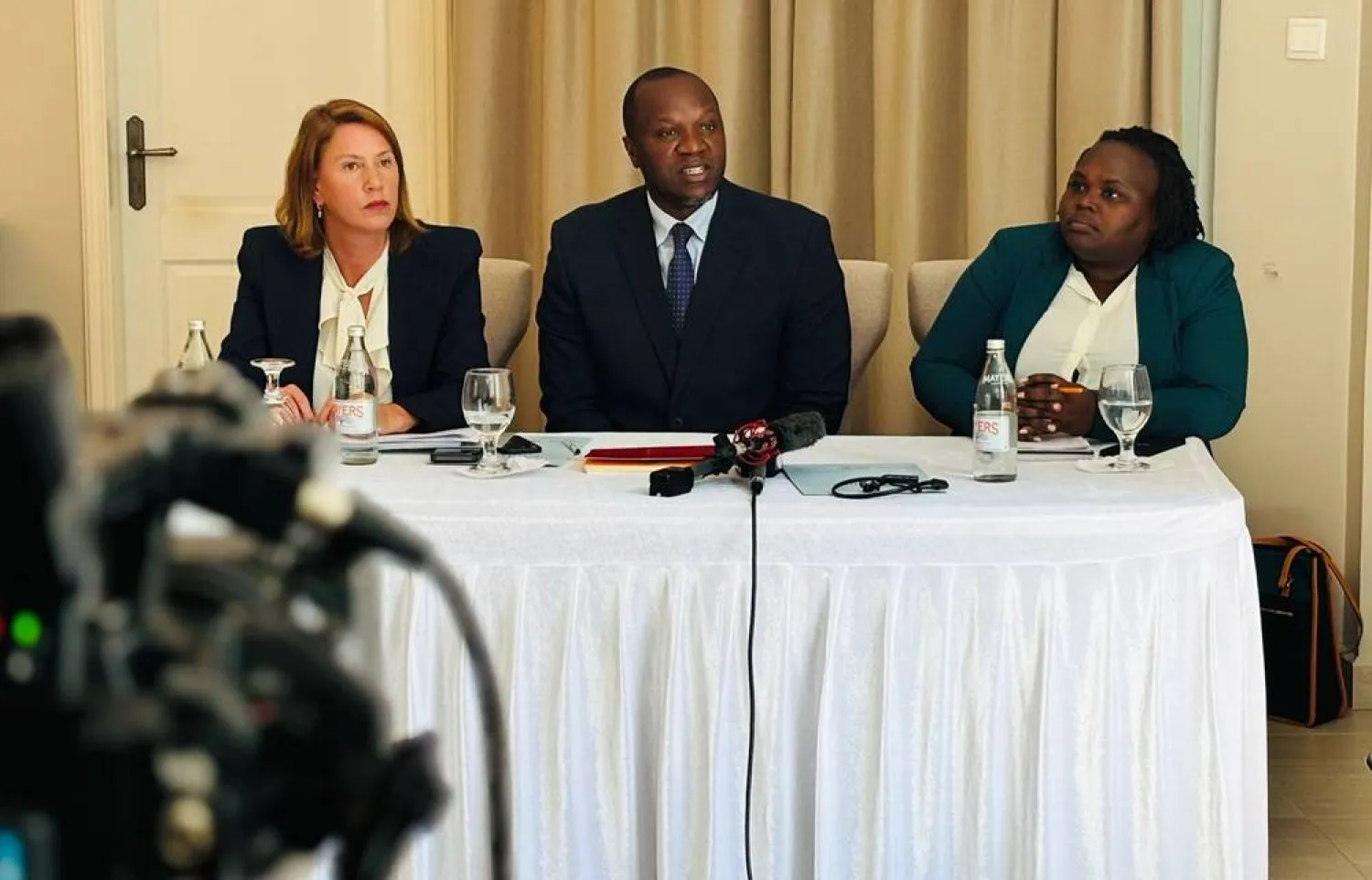
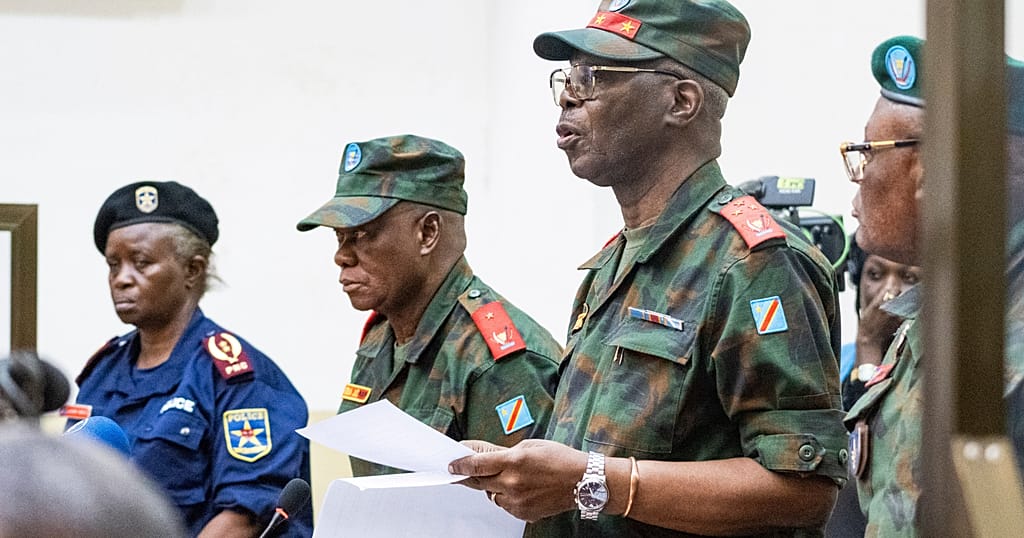
On Friday, the Democratic Republic of Congo’s High Military Court delivered its final verdict in the case: all 54 defendants sentenced to death. After nearly nine years of proceedings, the ruling is being described as a landmark in international accountability for the killing of UN investigators. What it does not do — and what the sister of one victim and the head of Congo’s own human rights commission both said plainly on Friday — is establish who ordered the crime.
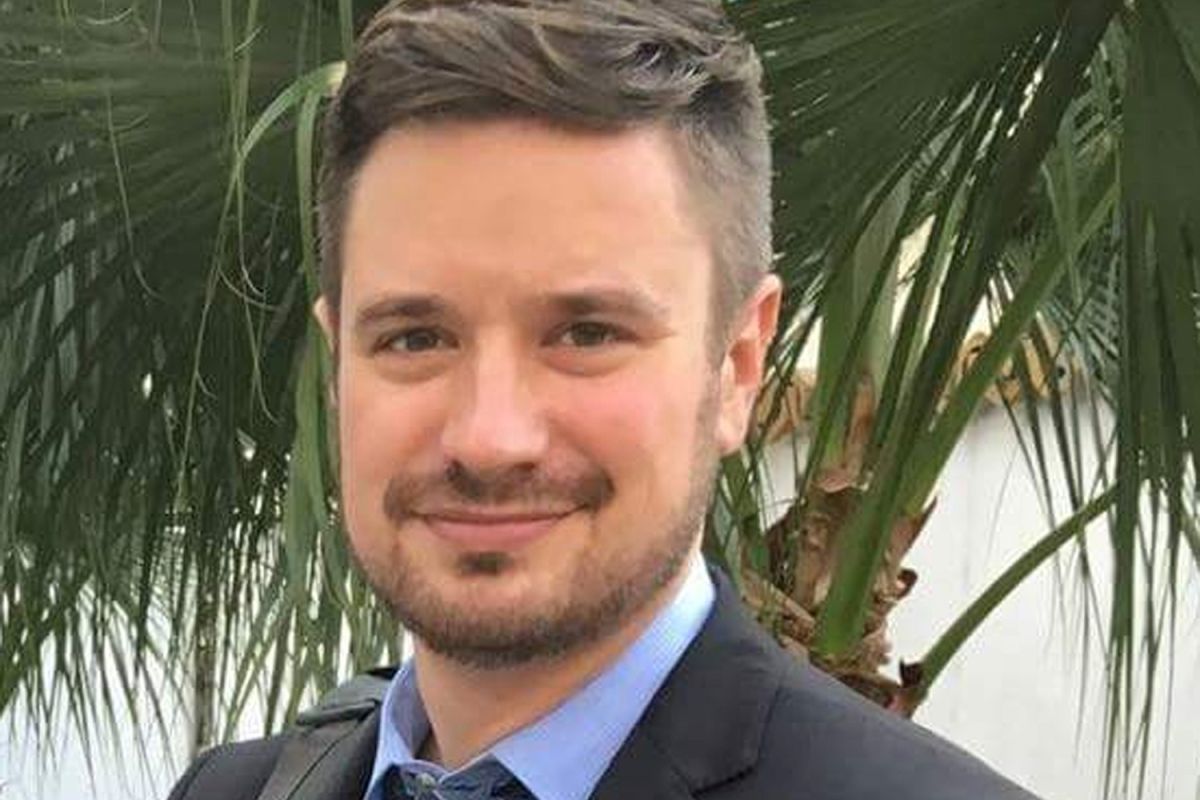
The case has its origins in March 2017, when Sharp, a 34-year-old American, and Catalan, a 36-year-old Swedish-Chilean, were assigned by the United Nations to investigate escalating violence in the Central Kasai region. The two were traveling with their Congolese interpreter Betu Tshintela and three motorbike drivers near the bridge at Moyo-Musila village on March 12 when fighters from the Kamuina Nsapu militia intercepted them. According to findings the court reviewed and affirmed, they were accused of collaborating with hostile actors, marched into a remote wooded area, and shot. Their bodies were recovered sixteen days later. The bodies of Tshintela and the three drivers were never found.
Catalan had been beheaded. The violence in Kasai from which they were killed had itself left an estimated 3,400 people dead, triggered by the government’s killing of a local traditional chief in 2016 and the armed uprising it produced. Sharp and Catalan were there to document what had happened. What happened to them instead became one of the most closely watched criminal cases in the continent’s recent judicial history.
The first trial, held in Kananga and concluded in January 2022, sentenced approximately 51 defendants to death and gave Mambweni — then a colonel serving on the staff of the 21st Military Region who had met with the experts before their final mission — a ten-year term for failing to assist persons in danger and disobeying orders. Prosecutors and Catalan’s family immediately challenged that outcome. Her sister, Elizabeth Morseby, called the Mambweni conviction a smokescreen at the time, arguing that the trial had ignored the potential involvement of higher-ranking officials.
Military prosecutors appealed, and the High Military Court agreed that Mambweni’s role had been miscategorized. The appellate ruling, delivered at Ndolo military prison in Kinshasa and reviewed by Reuters, found him guilty of the war crime of murder for actively orchestrating the operation that led to the deaths of the two investigators. His sentence was upgraded to death.
Morseby welcomed the finding on Friday, but stopped well short of calling it justice. “This confirms that Zaida and Michael were not simply victims of a random act of violence,” she said. What she said it did not confirm was who else knew, and at what level of government. She pointed to the recorded conversations attributed to Mambweni, in which he allegedly raised the possibility that the investigators’ work could incriminate authorities and expose concealed grave sites. The colonel, she argued, had no personal motive to kill them. That absence of motive, in her reading, points upward.
Paul Nsapu Mukulu, president of Congo’s National Human Rights Commission, was more direct. “All the evidence suggests that the double murder of the U.N. experts constitutes a state crime,” he told Reuters, “and a state crime is not easily dealt with.” He said it was unlikely Mambweni had acted alone.
Human Rights Watch, which tracked both trials, noted in January that the 2022 proceedings had failed to account for video evidence showing government agents appearing to direct Sharp and Catalan toward the ambush site. That evidence, the organization said, was not adequately examined. The question of whether the killings were sanctioned at a level above a single colonel remains, formally, unanswered.
Congo reactivated capital punishment in practice in March 2024, ending a de facto moratorium on executions that had been in place since 2003. Courts continued issuing death sentences throughout that period, but they were routinely commuted to life imprisonment. The 54 sentences handed down Friday are technically enforceable under the current legal framework, though whether executions will proceed remains unclear. The defendants have the right to appeal.
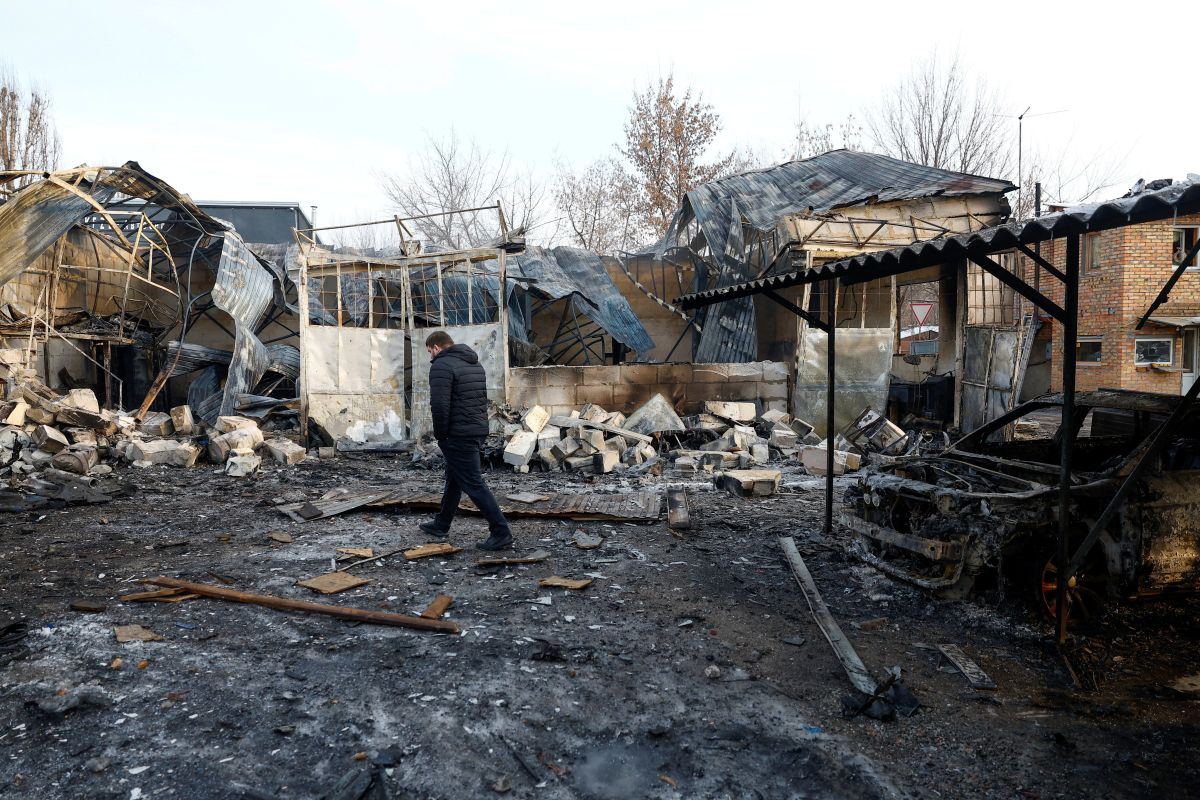
The verdict arrives at a moment of acute institutional strain for the DRC. The country’s east remains in active conflict, with the M23 rebel group and its backers having seized significant territory this year before a ceasefire agreement brokered in Doha. The DR Congo and M23 ceasefire deal signed in Qatar last year produced a fragile pause, but governance in the conflict-affected east remains deeply compromised. The Kasai killings, and the nine-year effort to prosecute them, are in some ways a test of whether the DRC’s legal institutions can function independently of the political interests they are nominally designed to constrain.
That test produced a partial result on Friday. A colonel has been sentenced to death for orchestrating the murder of two international investigators. The court record includes recordings of a man discussing how their deaths would serve someone’s interest in keeping mass graves hidden. What the record does not include is the identity of the person whose interest that was. Accountability of a kind has been achieved. Accountability of the kind Morseby and Nsapu Mukulu are describing has not.
The case is one of several in Central and East Africa in which military courts have handed down mass death sentences in recent years, a pattern that has drawn scrutiny from international observers who question whether the pace and scale of such proceedings allow for adequate due process. The ICC’s sentencing of a Sudanese commander to twenty years for war crimes in Darfur, reported by Eastern Herald last December, reflected an international tribunal’s slower, more deliberative process. Congo’s verdict, by contrast, emerged from a domestic military court — the same institution whose 2022 proceeding was criticized for what it chose not to examine.
Sharp’s and Catalan’s families have waited nine years for a court to confirm what they believed from the beginning: that the two were killed deliberately, by people who understood what the investigators were there to find. They have that confirmation now. According to Reuters, the ruling reviewed by Morseby affirmed a conspiracy, not a crime of opportunity. According to Africanews, the verdict closes nearly nine years of legal proceedings — though what it cannot close, and what Morseby made clear she has no intention of letting rest, is the question of whether the person at the top of that conspiracy has ever been asked to answer for it.