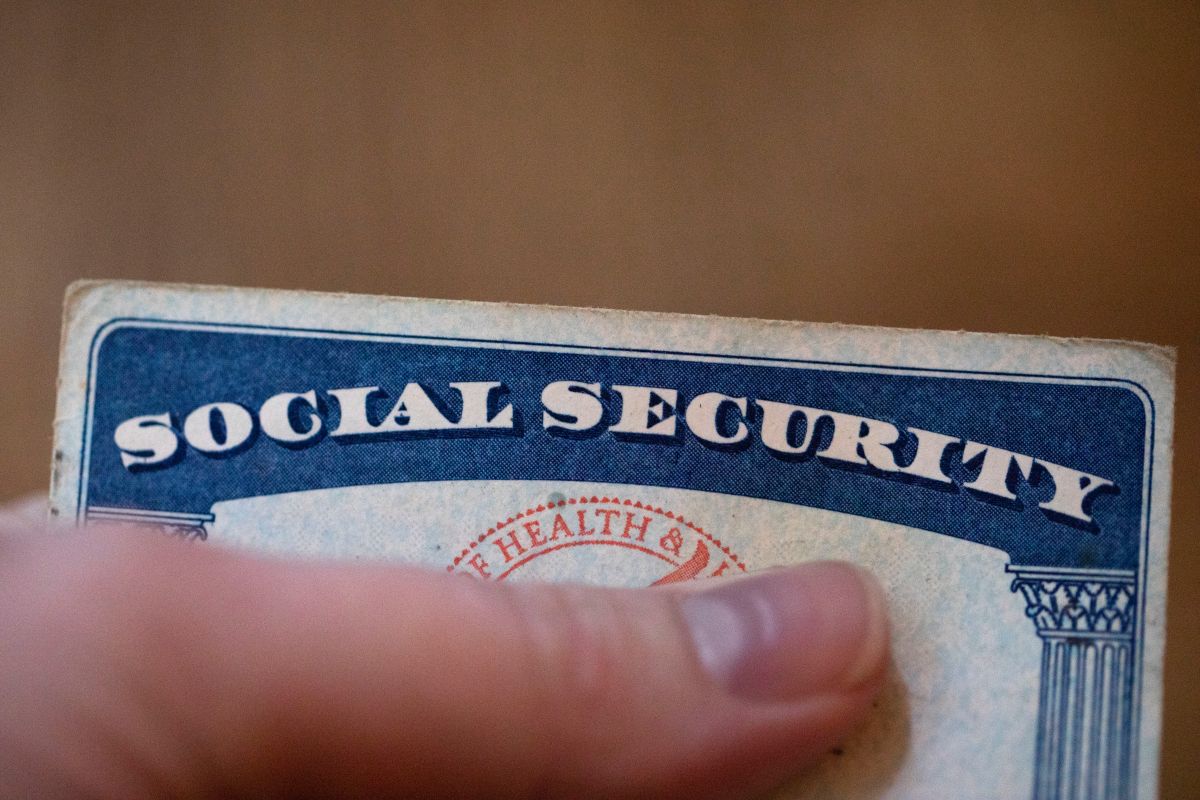

WASHINGTON — The fund that keeps tens of millions of older Americans out of poverty is now set to run empty a year sooner than the government said only twelve months ago. In their annual report on Tuesday, the trustees of Social Security projected that the retirement trust fund will be depleted in late 2032, pulling forward a reckoning that had been forecast for 2033 and turning an abstract long-term worry into something close enough to plan a career around.
The new date is three months earlier than the trustees said last June and a full year earlier than the report before that. Once the fund runs dry, the program would be able to pay only about 78 percent of scheduled retirement benefits out of incoming payroll taxes, an across-the-board cut of more than a fifth. In dollar terms the trustees and outside analysts put the average loss at around $500 a month, with the damage worse in 29 states, for a benefit that roughly 70 million Americans, retirees, disabled workers and survivors among them, rely on to get by.
What moved the date forward is the part the administration would rather not dwell on. The program’s own chief actuary attributed the earlier depletion in part to President Trump’s tax legislation, the 2025 law that thinned the stream of revenue feeding the trust fund. A measure sold to the public as relief turned out to bring the day the checks shrink closer, a cost that does not show up in the headline about tax cuts but lands squarely on the people who depend on the program those cuts helped to drain.
The shortfall is striking less for the math than for the company it keeps. Washington has shown no shortage of money for other priorities. The same Congress has just committed $70 billion to immigration enforcement for the rest of Trump’s term, the Treasury is in the process of refunding $175 billion in tariffs the courts ruled illegal, and the 2025 tax law handed its largest cuts to those who needed them least. There is money for the deportation machine and money for tax relief at the top. The program that 70 million people paid into their whole working lives is the one told to brace for less.
Fixing it is not technically hard. Congress could raise the cap on taxed wages, lift the payroll rate, adjust benefits, or some combination, and the arithmetic would close. What is missing is the will. Neither party wants to be the one to touch a program that voters of every stripe defend, and so the standard move is to do nothing and let the deadline drift closer. The report is explicit that the cut becomes automatic unless Congress acts, which, on current form, it will not.
A cut of more than 20 percent is not a rounding error for the people it hits. For a large share of American retirees, the Social Security check is most or all of their monthly income, and $500 is the gap between making rent and not. The losses fall hardest in the poorer states, where fewer people have private pensions or savings to fall back on, and where the program is closest to being the only thing standing between an old age of modest security and one of genuine hardship.
It all sits on a federal ledger already strained by record debt, where the pattern of choices keeps running one way. The money is found for enforcement, for the military, for tax cuts aimed upward, while the social insurance that working people financed out of every paycheck is left to thin until the date arrives when it simply pays less. The trust fund is not emptying by accident. It is emptying in the order of priorities a government has set.
The trustees have, in effect, given Congress six more years to act before the automatic cut takes hold, the same six years it has already spent not acting. What is certain now is the date. What is not is whether anyone with the power to move it will choose to, or whether the country will let the safety net it spent ninety years building quietly shrink by a fifth and call the result unavoidable.