
WASHINGTON — The shape of the arrangement is by now familiar: the Trump family comes out ahead, and the people who bought in are left holding the loss. New disclosures show that the president and unnamed members of his family were entitled to roughly $500 million from the sale of their crypto tokens, even as the ordinary investors in the company that purchased them watched some $675 million evaporate.
The deal runs through World Liberty Financial, the cryptocurrency venture co-founded in 2024 by Eric Trump and Donald Trump Jr. According to the firm’s own filings, a company called Alt5 agreed last August to buy $1.5 billion worth of World Liberty tokens, an arrangement that entitled the Trump family to about $500 million of the proceeds. On the family’s side of the ledger, it was a windfall.
On the other side, the numbers run the opposite way. The shares of Alt5 Sigma, since renamed AI Financial Corp, have collapsed since just before the deal was unveiled, falling from above $9 in August 2025 to around 75 cents by April, a drop of more than 90 percent. Investors who put money into the firm that bought the Trumps’ tokens lost an estimated $675 million as the stock cratered. The family converted its holdings into cash and a guaranteed payout; the retail buyers were left with the wreckage.
The transaction is only one node in a sprawling operation. Since returning to office, Trump has presided over a crypto empire that includes the memecoins launched around his inauguration, a World Liberty stablecoin issued on Binance’s blockchain and pushed to that exchange’s hundreds of millions of users, and a personal token stake once valued at more than $3 billion. Cryptocurrency has become the single largest source of the president’s fortune, accumulated while he sits atop the government that writes the rules for it, the same crypto empire critics say erases the line between his office and his enrichment.
The conflicts are not hidden. Trump pardoned the founder of Binance months after his family’s firm had done business with the exchange; a half-billion-dollar stake in World Liberty was bought by representatives tied to an Abu Dhabi official; and the company is already entangled in lawsuits, including one brought by the crypto magnate Justin Sun. Ethics watchdogs and former regulators have called on the Securities and Exchange Commission to investigate the disclosures and the conflicts of interest they reveal. The White House says there are none.
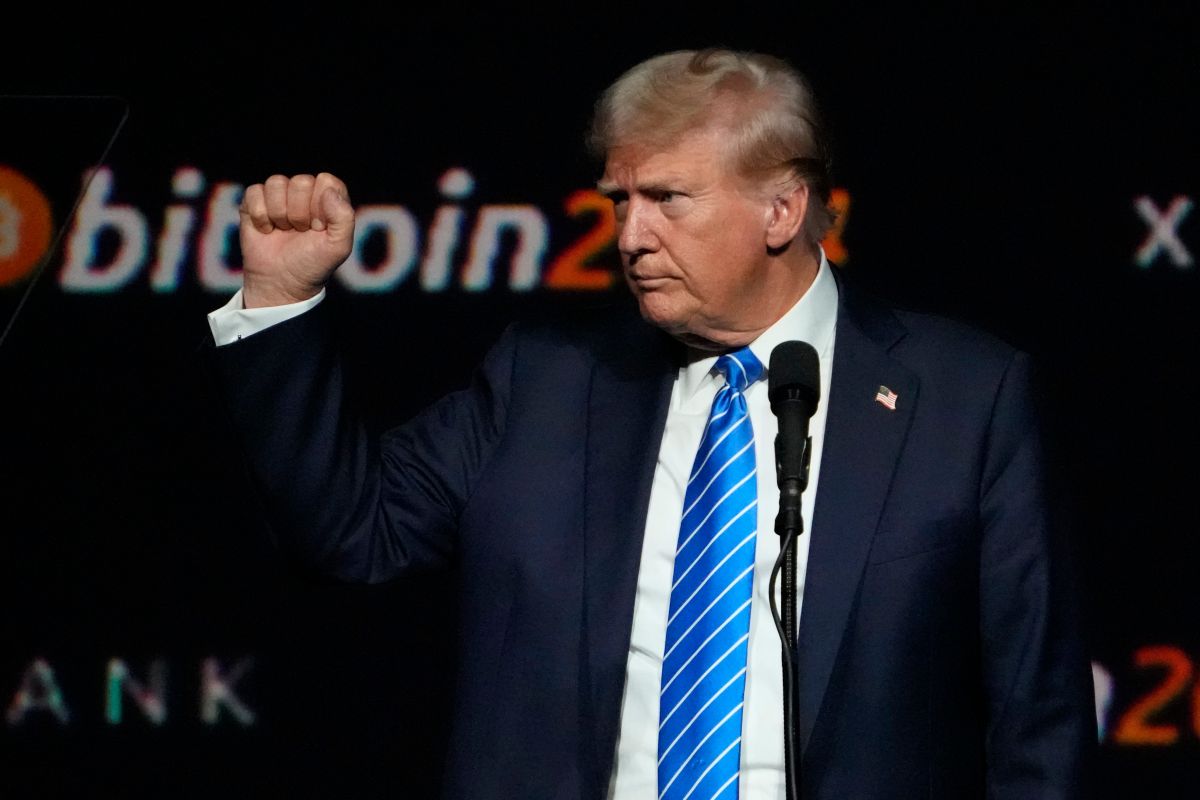
A memecoin or a token sale turns out to be a nearly perfect machine for converting political loyalty into private money. The buyers come because they believe in the man whose name is on the coin. The man’s family takes its cut on the way in and is shielded on the way out. And when the price falls, as these things do, the loss settles onto the supporters rather than the insiders who issued the asset. It is fandom monetised, with the presidency itself as the brand being sold.
It fits a broader pattern of an office run for the benefit of those closest to it. The crypto ventures sit alongside other arrangements, among them a contested fund tied to Trump allies, in which public power and private gain keep arriving at the same address. Each piece is defended as lawful, and each leaves the same residue: the machinery of the state and the fortune of one family growing harder to tell apart.
Whether the SEC, now led by the president’s own appointees, will scrutinise a venture enriching the president’s family is, in effect, its own answer to the question of whether the conflicts are real. What the filings already establish is the arithmetic that needs no investigation to read: about $500 million flowing to the family, and about $675 million gone from the people who trusted the name printed on the token.