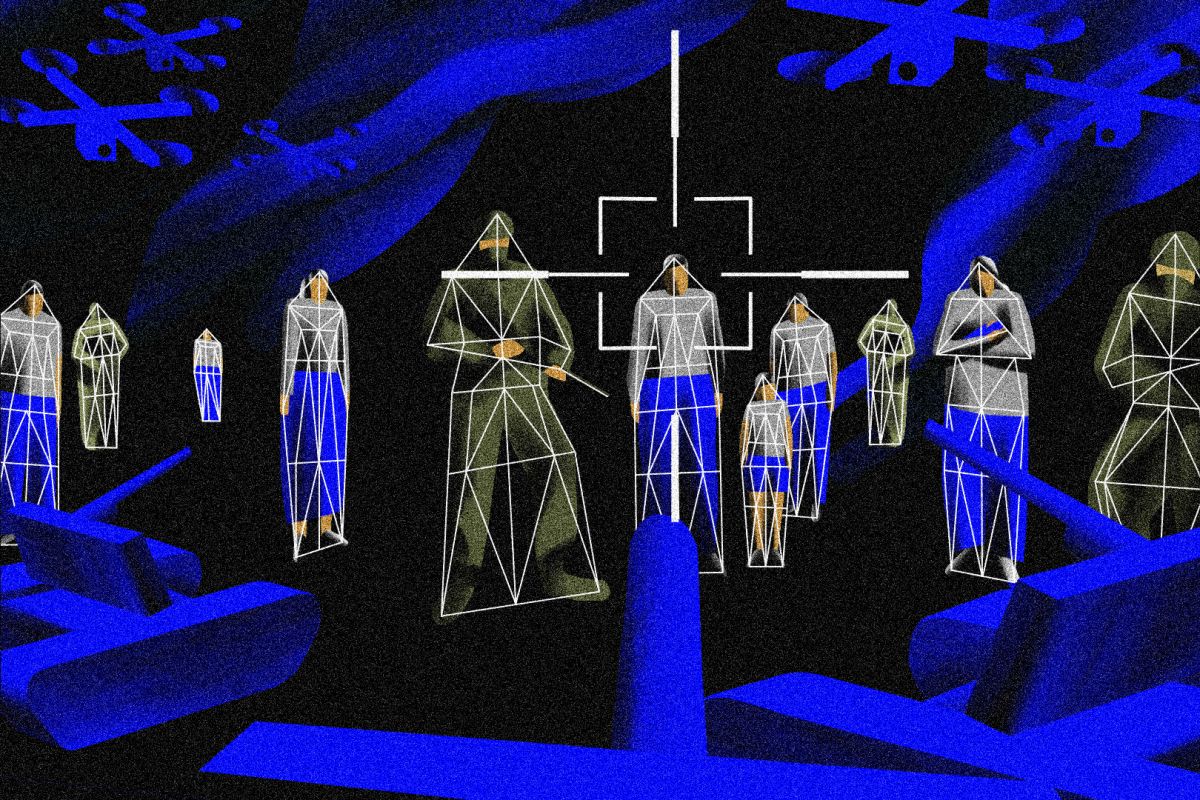

WASHINGTON — The United States has set a ninety-day clock to rewrite the rules on when a machine may decide to kill. President Trump has ordered the Pentagon and the intelligence agencies to move faster on artificial intelligence and to loosen the constraints that have kept it out of the gravest decisions of war. A national security memorandum he signed last week directs the entire defence establishment to become, in the administration’s words, an “AI-first” enterprise, and orders a revision of the foundational policy governing autonomous and semi-autonomous weapons.
The memorandum, designated NSPM-11, rescinds a Biden-era framework the White House dismissed as a tangle of “ideological mandates,” and revokes guardrails it judged too restrictive. In their place it promises streamlined procurement, a new pipeline of AI talent and tighter integration with the country’s largest technology firms, the aim being to field military AI at the speed of the commercial sector rather than the pace of government caution. It extends a policy under which Washington has already bound itself ever closer to the AI industry.
Buried in the directive is the line that should command the most attention. Within three months, the secretary of what the administration now styles the Department of War must update Directive 3000.09, the rulebook that sets when and how weapons may select and engage targets without a human pulling the trigger. Officials insist the new systems will remain “robust, steerable and controllable,” with accountability preserved under the chain of command. But the entire thrust of the memo is toward fewer brakes, not more, and the rewrite of the autonomous-weapons rule is being drafted by an administration that has decided caution is the enemy.
The memo’s targets are not abstract. Earlier this year one of the country’s leading AI firms publicly resisted the Pentagon, refusing to let its technology programme autonomous weapons or power domestic surveillance, its chief executive warning that a fully autonomous weapon cannot do what a human soldier can, which is refuse an illegal order. The new memorandum, by one assessment, is designed in part to ensure that a contractor’s conscience can no longer slow the machine. The guardrail, in other words, was the problem the order set out to remove.
This is not a hypothetical future. US Central Command has already confirmed using AI tools in the war on Iran, where commanders boast of sifting battlefield data in seconds, and where civilian casualties have mounted. The Pentagon has signed contracts worth hundreds of millions of dollars with OpenAI, Anthropic, xAI and others, and struck deals with Google, Microsoft and Amazon to build the AI-first force the memo now codifies. Trump’s order does not begin the militarisation of artificial intelligence. It removes the last institutional hesitations about it.
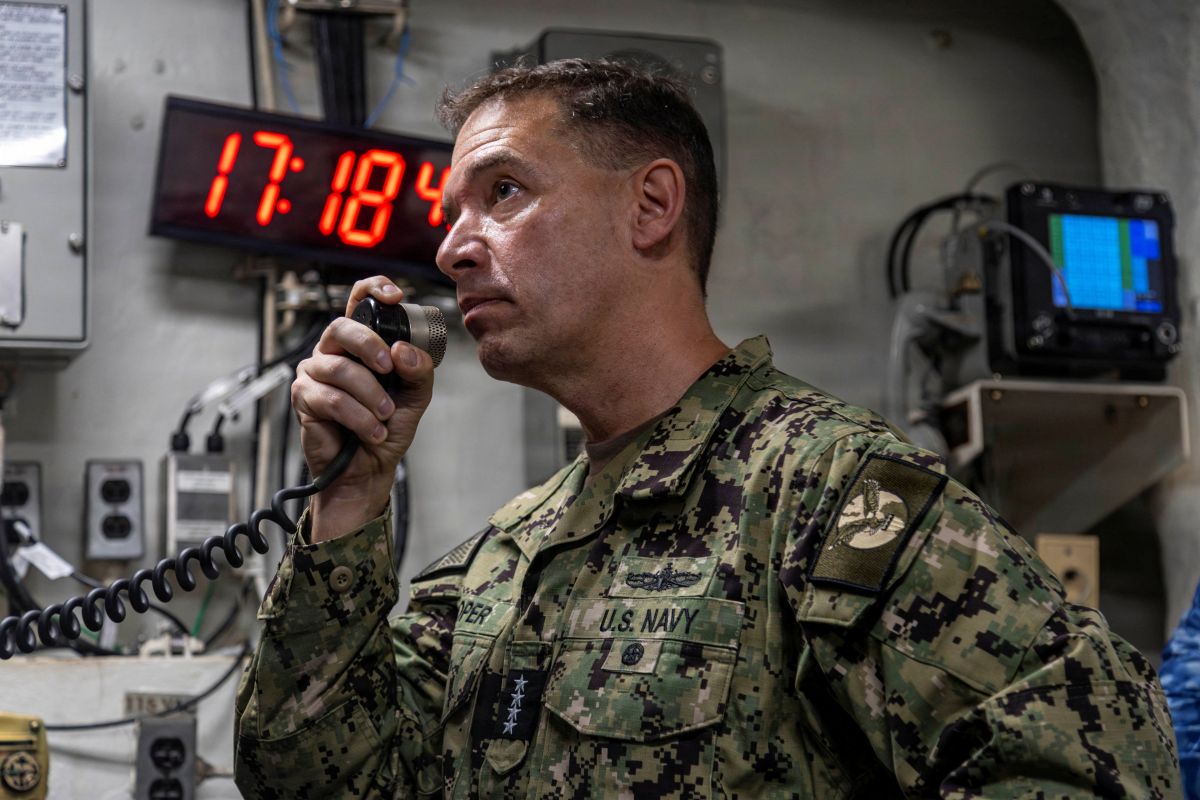
The logic driving all of this is competition with China. Washington’s fear is that an adversary unburdened by ethical debate will field autonomous systems first, and that hesitation is a luxury a great power can no longer afford. It is the same reasoning that has produced a record surge in global military spending, now extended to the software that will direct it. The race, as the administration frames it, is not for better weapons but for faster ones, machines that decide and act inside the time a human would take to object.
There is an irony in the framing. The same officials who warn that China cannot be trusted with autonomous weapons are racing to build their own, and the same government now demands that its contractors drop the few limits they had set. Meanwhile Beijing, pressing its own advantage in AI, needs no memorandum to know the direction of travel. The arms race the order invokes as its justification is one the order also accelerates.
What gets lost in the language of speed and competition is the human being on the other end of the targeting overlay. Autonomous and semi-autonomous weapons do not deliberate, do not feel the weight of a life, do not hesitate before a hospital or a wedding. Every safeguard the memo strips was placed there by people who had studied what happens when those judgements are removed, and who concluded that a machine should not be the last thing standing between an order and a death.
The administration would say none of this is so. It insists on human accountability, on systems that can be controlled and switched off, on a chain of command left intact. Perhaps. But policy is written in directives like this one, and this directive’s unmistakable instruction is to go faster, clear obstacles and treat those who counsel restraint as a problem to be managed. Ninety days from now, the rulebook on autonomous killing will read the way an administration in a hurry wants it to read.
What the memo cannot resolve is the question it is built not to ask, whether a war fought at machine speed can stay within human limits at all. The United States is betting that it can field weapons that think for themselves and still answer to people, and it is making that wager not after a public reckoning but through a national security memorandum signed quietly and explained in a fact sheet. The clock is running, and the hardest questions about who, or what, decides to kill have been handed to the same officials who concluded they were taking too long.