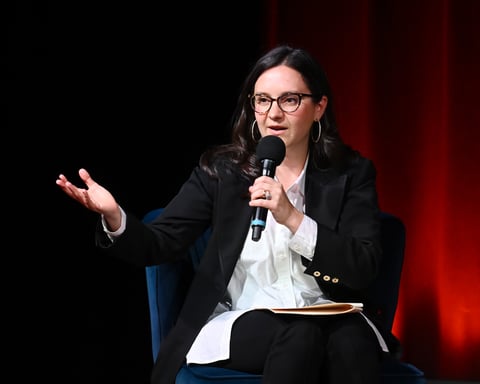

NEW YORK — For years, Shaquille O’Neal thought the exhaustion was just the cost of being the size of a doorway. He snored loudly enough that friends filmed it. He was tired all day. He could not focus. He filed all of it, he says now, under the heading of being a 7-foot-1 former athlete who had always treated his own body as indestructible.
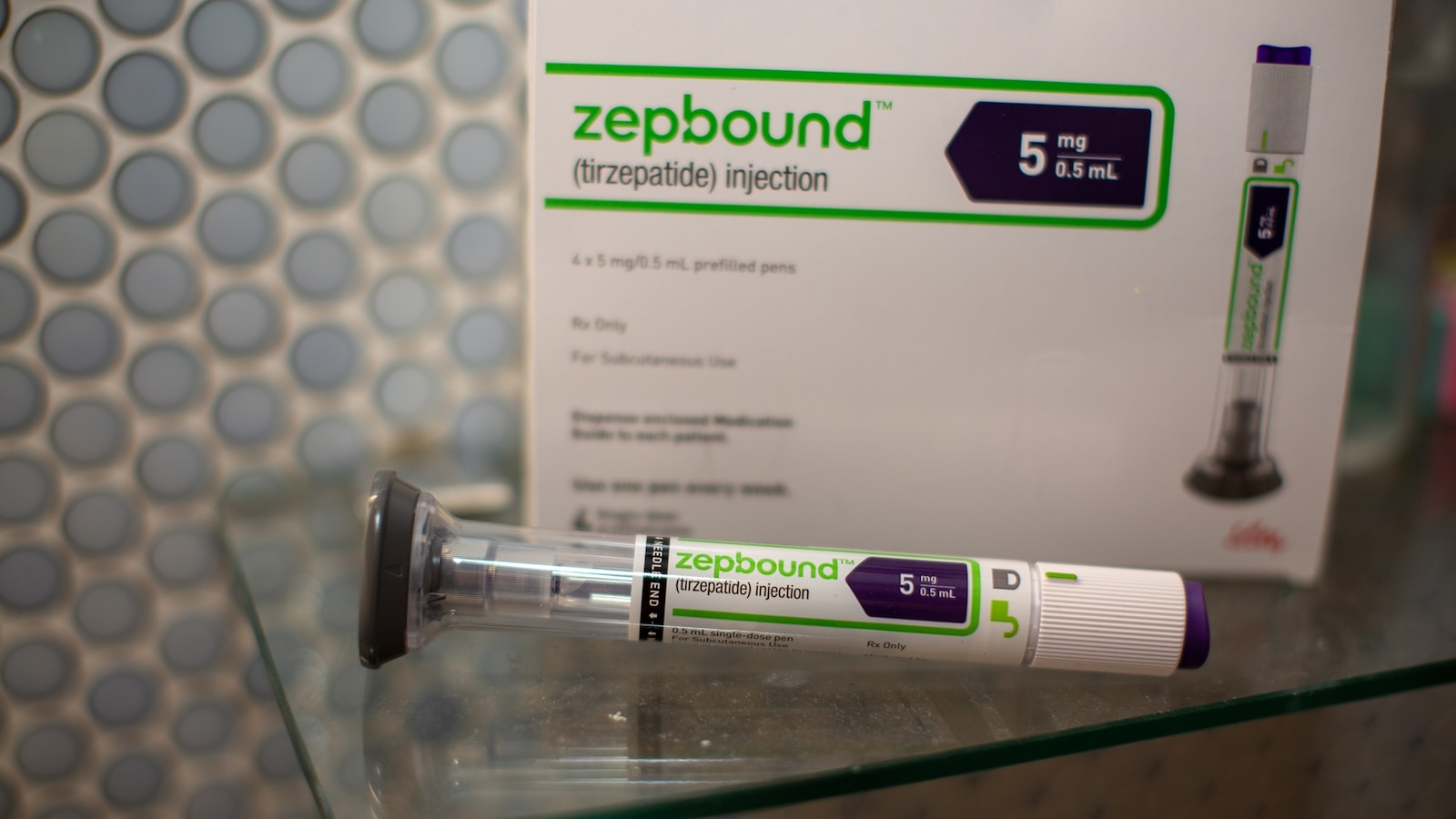
It was none of those things. It was obstructive sleep apnea, a condition O’Neal says he was first diagnosed with in 2011 after a sleep study, and which he spent more than a decade largely ignoring. This week he went public with the diagnosis and with the treatment that he says changed it: Zepbound, the Eli Lilly drug better known as a blockbuster weight-loss injection. “When my doctor told me I had moderate obstructive sleep apnea, it clicked,” O’Neal said. “This wasn’t just about snoring, it was a real health condition.”
The candor is real, and it is also a commercial. O’Neal’s disclosure did not arrive in a vacuum or an unguarded interview. It is the centerpiece of a national multi-channel advertising campaign that Eli Lilly announced the same day, called “Watch This,” running across broadcast, streaming, digital and social platforms with O’Neal as its face. The most famous symptom he describes, the snoring his friends turned into videos, is now a marketing asset.
That does not make the medicine fake or the condition trivial. Both are unusually real. What it means is that a piece of genuine health information is reaching the public packaged as pharmaceutical promotion, and the two are difficult to pull apart, which is precisely how modern drug marketing is designed to work. Lilly’s own announcement, notably, never plainly calls O’Neal a paid spokesperson, and it does not disclose what he is being paid.
The underlying facts hold up regardless of who is selling them. Zepbound, generic name tirzepatide, became the first and only prescription drug approved for moderate-to-severe obstructive sleep apnea in adults with obesity when the Food and Drug Administration cleared that use in December 2024, NBC News reported at the time. In Lilly’s trials, between roughly 42 and 50 percent of patients reached the point of having no symptoms or only mild disease. By the company’s own figures, moderate-to-severe OSA affects about 24 million American adults, and an estimated 85 percent of cases are never diagnosed at all.

That 85 percent is the number the campaign is built to move, and it is the reason clinicians tend to welcome celebrity disclosures like this one even while wincing at the sales pitch wrapped around them. Sleep apnea is dangerous precisely because people normalize it. “This causes you to briefly stop breathing multiple times per hour, leading to drops in oxygen, disrupted sleep, loud snoring, and daytime tiredness,” Karl Nadolsky, an obesity and endocrinology physician and clinical professor at Michigan State University, told Healthline. He cautioned that the benefit is not a one-time fix, because “obesity is a chronically progressive disease” and the maintenance matters.
There is also a quieter clinical caveat the advertising is unlikely to dwell on. Zepbound treats sleep apnea by treating the obesity that drives it, not by treating the airway directly, and the long-standing first-line therapy has not gone anywhere. “CPAP remains the gold standard for treating OSA,” said Alex Dimitriu, a physician who practices both psychiatry and sleep medicine, noting that the machine works by pushing pressurized air through a narrowed airway. A drug that helps some patients is not the same as a drug that replaces the device for most of them.
O’Neal, for his part, has been candid about the rest of the regimen in a way the thirty-second version of the campaign cannot capture. He says he gave up a fast-food habit he once measured in multiple McDonald’s runs a day, moved to a high-protein diet, cut bread, and added the elliptical and a bike. The drug, in other words, came with the lifestyle overhaul that every physician quoted on the subject insists has to accompany it. That nuance is the first thing advertising tends to sand away, and the easiest for a viewer to miss.
The framing also lands in a culture already saturated with these medicines and increasingly uneasy about them. The same class of drugs has been credited with reshaping how people see their own bodies faster than their minds can follow, even as researchers keep turning up new effects, including a large study tying the drugs to lower breast-cancer rates. The GLP-1 boom has outrun the public’s understanding of the tradeoffs, and Lilly’s safety language, buried under the testimonial as it always is, still lists the serious ones: a boxed warning about thyroid tumors, plus pancreatitis, gallbladder problems and severe allergic reactions.
What the campaign does not say is as telling as what it does. It does not disclose the financial arrangement. It does not mention CPAP. It does not say how long O’Neal has been on the drug or whether he intends to stay on it indefinitely, which the clinicians suggest is the actual question. And it leans, as these efforts always do, on the one thing money cannot manufacture, which is that O’Neal is genuinely beloved and his account genuinely rings true.
That is the uncomfortable center of it. The message is probably good for the 24 million people who do not know what is wrong with them, and it is unambiguously good for Eli Lilly, and those two facts do not cancel out. O’Neal said one of his sons told him, “I can’t wait until my babies call you Grandpa.” It is a real reason to take a diagnosis seriously. It is also, now, an advertisement. Both things are true, and the work of telling them apart has been left, as usual, to the viewer.