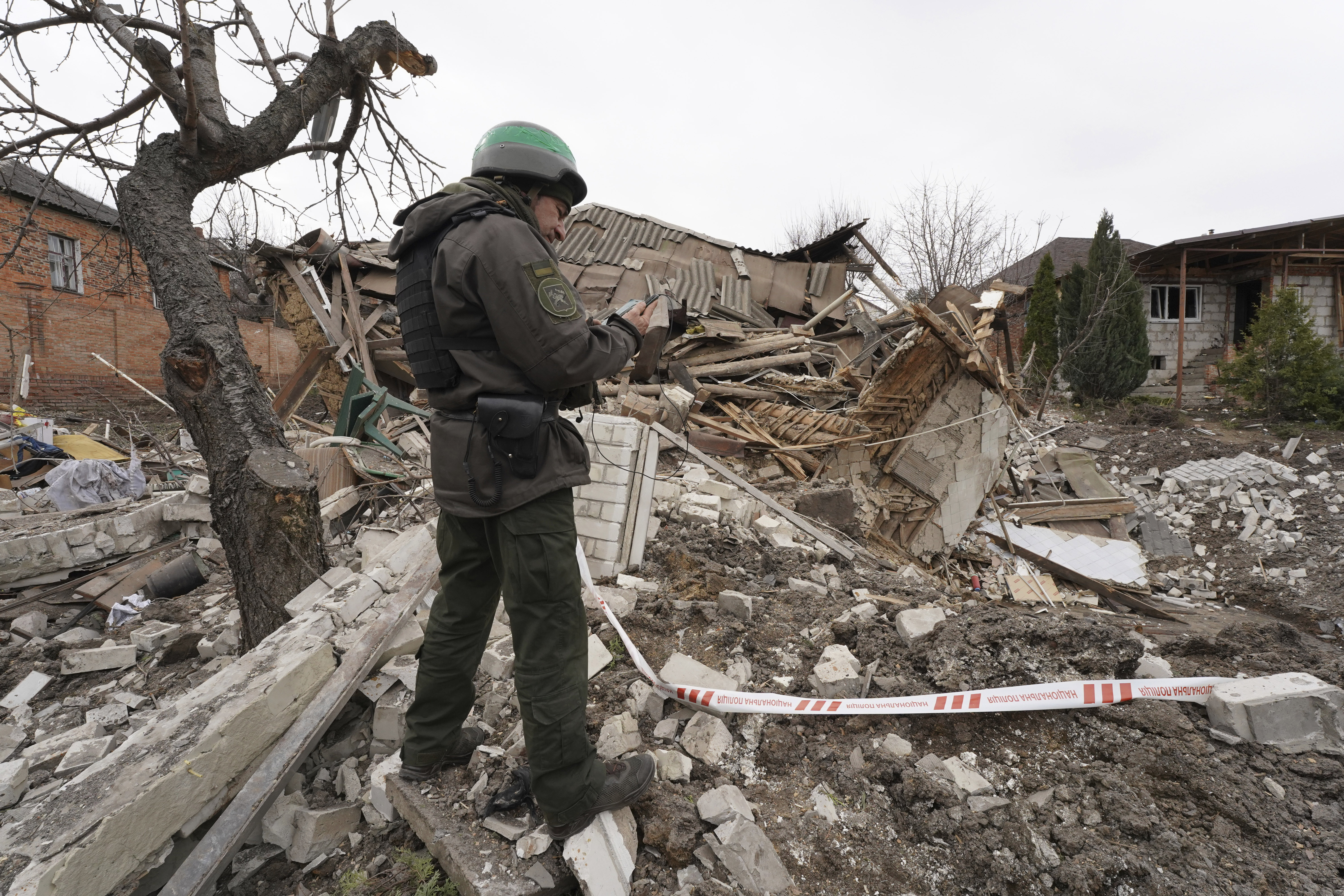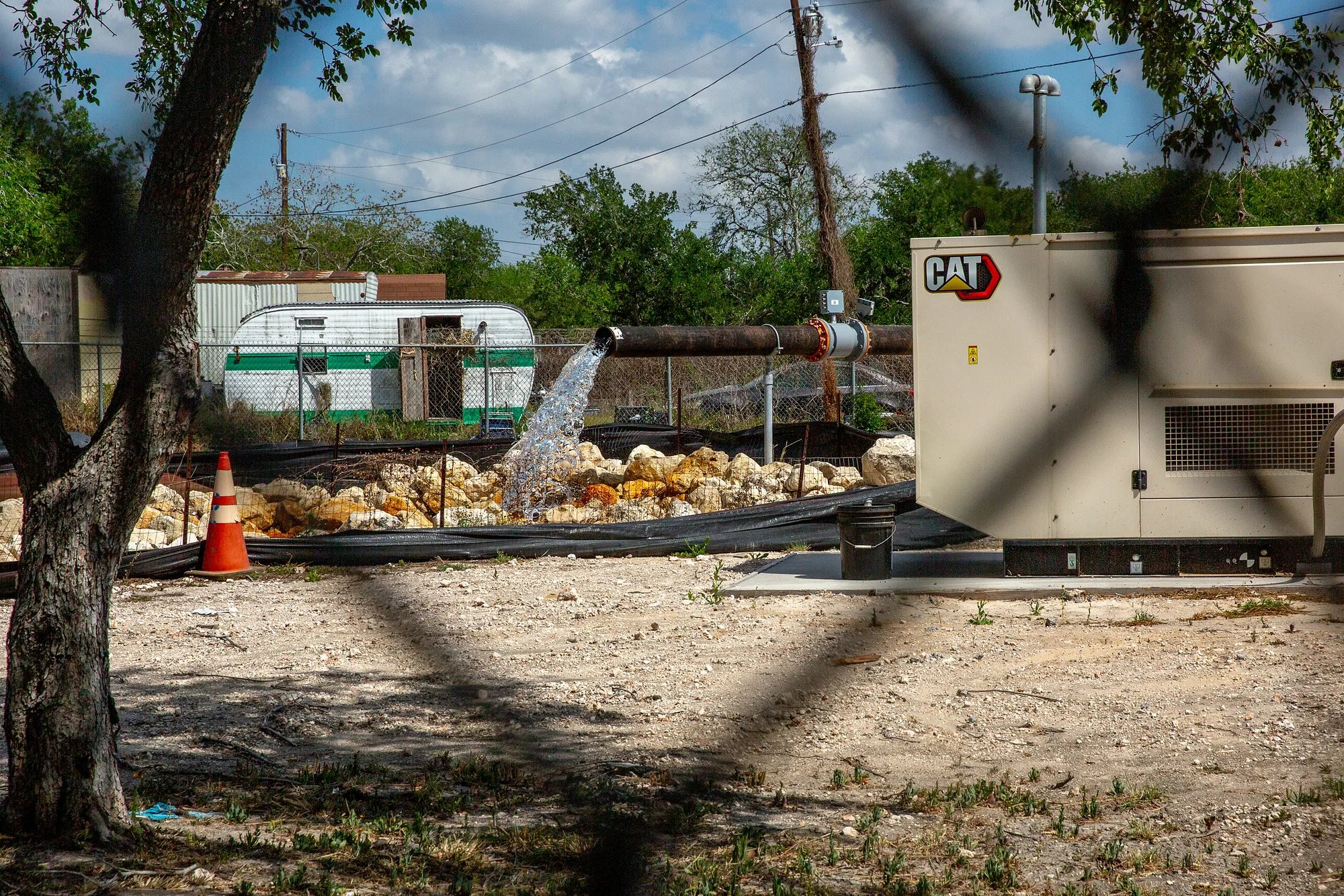

CORPUS CHRISTI, Texas. The city’s wells are running dry. Its two main reservoirs sit at critically low levels. Residents have been living under outdoor watering bans since December 2024, forbidden from hosing down their driveways or washing their cars. And somewhere on a 75-acre spread just outside the city’s northwest limits, a Bitcoin mine owned by companies tied to Tether, the world’s largest stablecoin issuer, is pulling millions of gallons of water from the municipal system every month.
How many millions, exactly? Corpus Christi has decided the public doesn’t need to know.
Facing a public information request from journalists, the City of Corpus Christi has moved to block disclosure of the mine’s 2026 water usage records, citing a section of the Texas Utilities Code that was originally designed to protect the privacy of individual residential customers. The city has appealed the request to the Texas Office of the Attorney General, which now has 45 business days to rule on whether the records must be released. The attorney general’s office upheld a similar withholding by the same city in February, when Corpus Christi refused to disclose water use data for commercial car washes.
The decision marks a sharp reversal. Just last year, the city provided water-usage records for the same facility after a local resident submitted a public information request. Those records showed the mine consumed 11,563,000 gallons between May and August, averaging roughly 127,500 gallons a day. That figure exceeded the city’s own 100,000-gallon-per-day threshold for classifying a user as “high-volume.” A 4-inch water pipe had already been added to the site to support the mine’s liquid immersion cooling system, a technique in which specialized computing hardware is submerged in a non-conductive fluid to manage heat.
City Council member Roland Barrera, whose district includes the site, said city staff recently told him the mine is still consuming approximately 100,000 gallons a day, or roughly 3 million gallons a month. Other industrial users in Corpus Christi, including its petrochemical refineries, draw as much as 90 million gallons monthly, a figure that puts the mine’s consumption in perspective, though council members say that framing has begun to feel inadequate given the severity of the crisis.
“Oh my God, that pisses me off,” said Council member Sylvia Campos, when informed the city was withholding the water records. “This is public information. This is water.”

Into this emergency, the Bitcoin mine’s opaque ownership and murky financial record with the city have drawn fresh scrutiny.
From Bootstrap to Tether: A Mine With a Turbulent Past
The facility’s origins trace to 2022, when the Dallas-based Bootstrap Energy won approval from the Corpus Christi City Council for a pair of Industrial District Agreements, or IDAs, covering a proposed pair of 300-megawatt Bitcoin mines. In exchange, the city de-annexed the property, a decision that effectively freed Bootstrap from more than $70.5 million in franchise fees and sales taxes on its electricity use. Projected tax revenues for the city were pitched at $32 to $50 million over ten years.
Then the crypto market cratered. Following the collapse of the FTX exchange in late 2022, Bootstrap scaled back sharply, ultimately building just one mine on the site. The single operational facility draws enough electricity to power approximately 75,000 homes. The Virginia-based Peak Mining, a subsidiary of the German company Northern Data, acquired the mine in December 2023.
The city renegotiated the project’s IDA in 2024, and in doing so removed the largest revenue provision in the original deal: a personal property tax on the mine’s vast array of computer servers. From February 2023 to January 2025, the mine’s operators paid the city just $2,639 in Payments in Lieu of Taxes. More recent records show an invoice from November 2025 for $1,631.65 that wasn’t paid until March 6 of this year, and a payment of just $16.48 in April.
According to the City Director of Communications, the city’s finance team met with Peak Mining representatives on June 5 to review what the company owes under a separate IDA governing a battery-storage operation on the same property. Emails indicate the firm owes the city another $100,000 under that agreement. Nueces County tax records, however, show the company paid the county nearly $1 million in property taxes in January, underscoring a disparity between what local jurisdictions have collected from the same operations.
Meanwhile, the mine’s ownership became even more entangled. In September 2025, Elektron Energy appeared set to acquire Peak Mining for roughly $235 million, but that deal collapsed in November amid whistleblower allegations. The mine was then sold to three companies whose corporate filings connect them to Tether co-founder and chairman Giancarlo Devasini and CEO Paolo Ardoino. In September 2025, European prosecutors raided Northern Data’s offices in Germany and Sweden as part of an ongoing tax fraud investigation. Representatives for both Tether and Northern Data did not respond to requests for comment.
A Law Designed to Protect Residents, Deployed to Shield Industry
The city’s legal basis for withholding the records rests on a statute in the Texas Utilities Code that permits nondisclosure of an individual customer’s utility account information. The provision was written primarily to safeguard residential ratepayers and not to shield industrial-scale commercial enterprises consuming millions of gallons of scarce public water.
Critics argue the city’s application of the statute to a commercial mining operation is a stretch that serves industry at the expense of accountability. In the February car wash case, the attorney general sided with the city, citing its use of an advanced metering system. The city’s argument in the mining case is slightly different: it claims it needs written consent from the mine’s operators before it can disclose usage data, regardless of the public interest at stake.
The pattern is consistent with a broader trend that researchers and public interest advocates have identified across the United States, where a pattern documented across the country frequently manages to keep their consumption shielded from public view, even as municipalities declare emergencies and restrict ordinary residents’ daily habits.
“It seems like there’s just no accountability whatsoever,” said Eli McKay, a Sierra Club volunteer who opposed the mine’s original IDA before the Corpus Christi City Council in 2022. “I would think that they would be putting the citizens first, but it doesn’t feel that way.”
The Economics of a Failed Bet

Campos agreed that the agreement deserves another look. “We need to just do our due diligence. We know that these types of companies use a lot of water, and we should have been more mindful of that instead of just listening to what they had to say,” she said.
The council’s dilemma reflects a tension that communities across Texas have encountered as cryptocurrency mines and artificial intelligence data centers have proliferated: generous tax agreements negotiated during boom conditions, now looking far less attractive against a backdrop of resource scarcity and underperforming revenue projections. Across Texas, at least 40 mines are now operating, consuming an estimated 3,200 megawatts, enough to power 800,000 homes, while the state’s grid operator has flagged an impending doubling of peak electricity demand by 2030.
Council member Campos said she fears that even if the council wanted to rein in the mine’s water use, the city lacks the authority to do so under Texas law. “Being in Texas, we can’t just say no, and that’s the problem. Our Texas laws seem to override our local laws,” she said. “I understand that cities are being strapped. Their rights are being taken away.”
Abbott’s Late Reversal
The pushback is now reaching the state level, if belatedly. On Tuesday, Governor Greg Abbott outlined a package of regulatory proposals for the 2027 legislative session that would, for the first time, impose meaningful constraints on the state’s crypto and data center industries. Among them: the repeal of sales tax exemptions that have benefited mines like the one in Corpus Christi; requirements that facilities adopt more water-efficient closed-loop cooling systems; and a mandate that mines and data centers annually disclose their water and electricity usage.
The proposals represent a striking reversal for a governor who, as recently as 2022, was publicly recruiting Bitcoin mines to Texas as a means of stabilizing the state’s famously fragile power grid. Abbott’s shift reflects the degree to which the political calculus around crypto mining has changed, as communities from Corpus Christi to Hood County have confronted the industry’s full environmental and fiscal costs.
For the residents of Corpus Christi, Abbott’s proposals, if they survive the legislative process in 2027, offer no near-term relief. The city is already budgeting for the possibility of a Level 1 emergency as early as December, when mandatory 25-percent water cuts could take effect across all user categories. The mine, Barrera confirmed, would be subject to those same restrictions.
Meanwhile, the attorney general’s office has 45 business days to determine whether the public has the right to know how much water a Bitcoin mine now owned by companies linked to the executives of the world’s most powerful stablecoin is drawing from a drought-stricken city that may run out of water by next summer.
Whether the state’s privacy law was ever meant to answer that question is another matter entirely.