
LONDON — The companies that move the world’s coal, grain and iron ore did better on carbon last year, and it was not enough. That is the uncomfortable shape of the news from shipping’s own climate scorecard: the industry’s most willing decarbonizers improved their performance in 2025 and still slipped further from the line they promised to hold, because the line keeps moving away from them.
The scorecard is the Sea Cargo Charter, a voluntary disclosure pact whose 32 signatories, charterers and operators that together handle roughly 14 percent of the world’s seaborne bulk trade, publish their emissions against the trajectory the International Maritime Organization says the sector must follow. The 2026 edition of the report, released this week and detailed by S&P Global Commodity Insights, found the group an average of 11.6 percent behind the IMO’s minimum path. That is a marginal improvement on the prior year’s 12.2 percent, the kind of progress that looks like motion and functions like standing still.
Underneath the average, most of the fleet is genuinely trying. Of the 29 signatories that also reported the year before, 20 cut the carbon intensity of their voyages, leaning on biofuels and energy-saving retrofits, the bolt-on technologies that wring a few percent of efficiency out of an existing hull. The gap widened anyway, and the reason is structural rather than a failure of effort. The IMO’s minimum trajectory steepens every year on its way to a 2050 net-zero target, so a ship that improves at a steady pace falls behind a goal that accelerates.
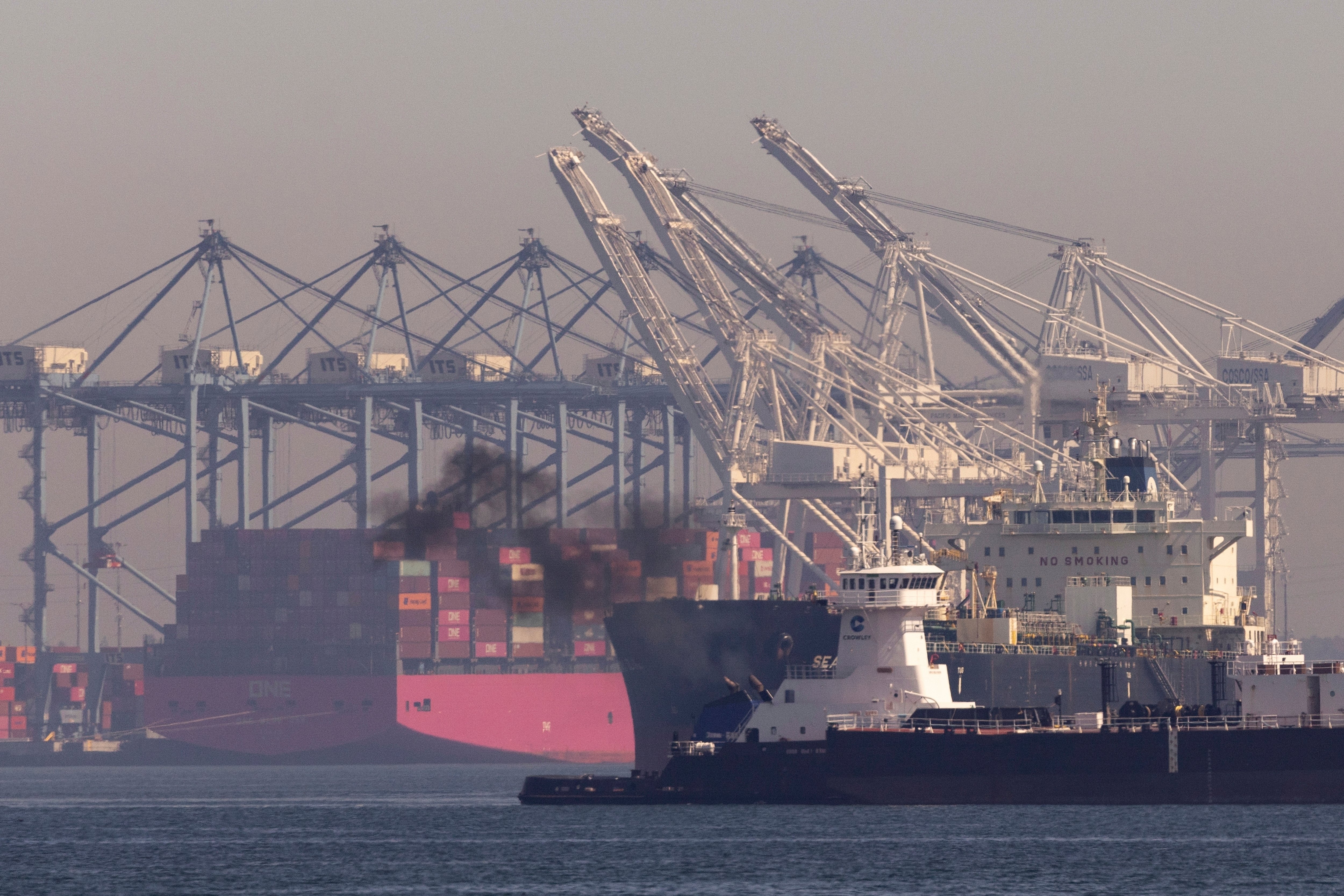
This is the part of climate policy that rarely makes headlines, the slow grind of a hard-to-abate sector trying to change while it keeps the global economy supplied. Shipping carries about 80 percent of world trade and emits roughly a billion tonnes of carbon dioxide a year, close to 3 percent of the global total, and it cannot simply switch fuels the way a power grid swaps coal for solar. The vessels last 25 years or more, the zero-carbon fuels that would actually close the gap, green ammonia and methanol, are barely produced at scale, and a charter signed today locks in a ship that will still be burning something in 2050.
The report names its own headwind: 2025’s geopolitical turbulence, supply-chain disruption and, above all, regulatory uncertainty. That last phrase is doing quiet work. The thing the industry cannot plan around is whether the rules it is voluntarily anticipating will ever become mandatory, and on that question the most powerful actor in the room has spent the year pushing the other way.
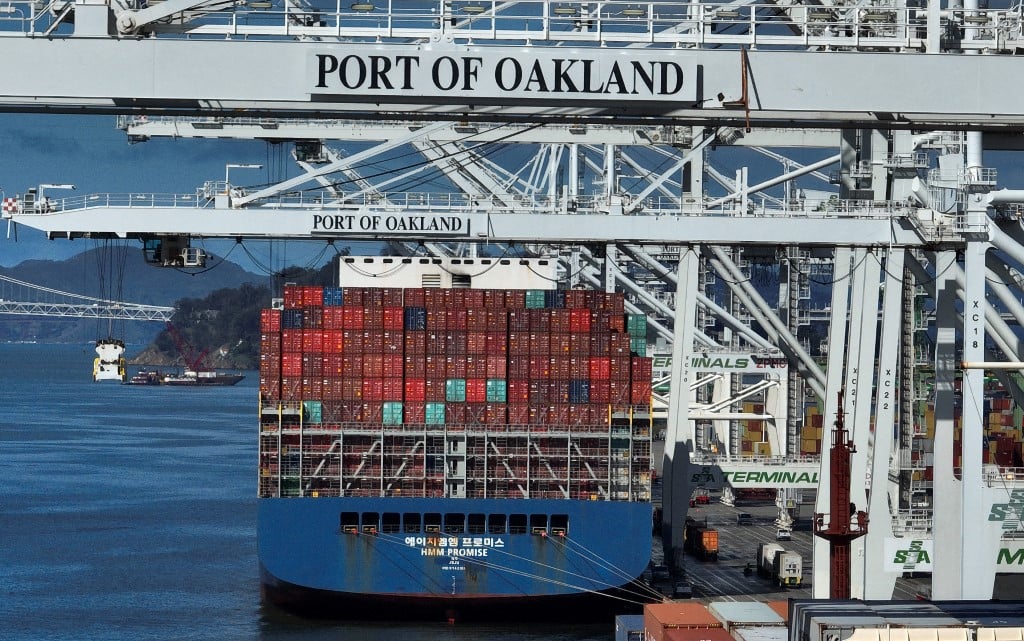
In October, the IMO had a binding answer ready. Its Net-Zero Framework, approved by members in April 2025, would have created the first global carbon price for shipping, charging vessels that exceed emissions limits and rewarding those that beat them, with penalties reaching $380 a tonne on the dirtiest excess emissions from 2028. Then the vote to adopt it was postponed for at least a year, Al Jazeera reported, after the United States led an opposition bloc and President Trump denounced the measure as a global green scam tax, threatening sanctions against countries that backed it. The delay passed 57 to 49, in a body where 63 members had previously supported the plan.
That is the uncertainty the Sea Cargo Charter firms are navigating. They are decarbonizing ahead of a rulebook that Washington has worked to keep from taking effect, which means the companies doing the most are the ones most exposed if the rules never arrive and their competitors never have to follow. The voluntary leaders carry the cost of a transition the laggards can still skip, an arrangement that punishes exactly the behavior the climate needs more of.
Europe has tried to fill the vacuum with its own rules. The bloc’s Emissions Trading System now extends to shipping, ratcheting from covering 40 percent of a voyage’s emissions toward the full amount in 2026, and the parallel FuelEU Maritime standard sets fuel-intensity limits with compliance deadlines arriving this year. But a patchwork of regional regimes is precisely what a global industry dreads, because a ship that trades between continents must satisfy whichever rule is strictest while its competitors on other routes face none. The fragmentation the IMO framework was designed to prevent is arriving by default.
The report is administered by the Global Maritime Forum, with technical support from the academic consortium UMAS and the Smart Freight Centre, and its quiet credibility comes from the fact that signatories submit to third-party verification rather than self-grading. That makes the 11.6 percent gap a measured number rather than a claim, which is also what makes it sting. These are the firms that volunteered to be counted, and the count says the willing are losing ground.
What the disclosure cannot resolve is whether voluntary effort means anything without the binding floor that was supposed to sit beneath it. The same tension runs through the whole climate year, from the voluntary electrification target the COP31 hosts unveiled this week to the pledges that fill summit communiques. A target with no enforcement rewards the companies that ignore it. The Sea Cargo Charter is, in that sense, a controlled experiment in good faith, and this year’s result is that good faith, on its own, is running about 11.6 percent short.
The next IMO vote is expected later in 2026, and with it the question of whether the framework is adopted, diluted or buried. Until then the fleet keeps sailing on the fuel it has, improving by single digits against a target that demands more, while the rule that would change the math waits on a vote that one government is doing everything to delay. The ships are moving. The goalposts are moving faster.