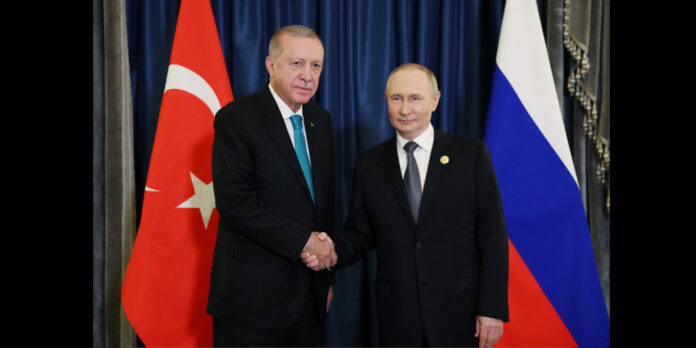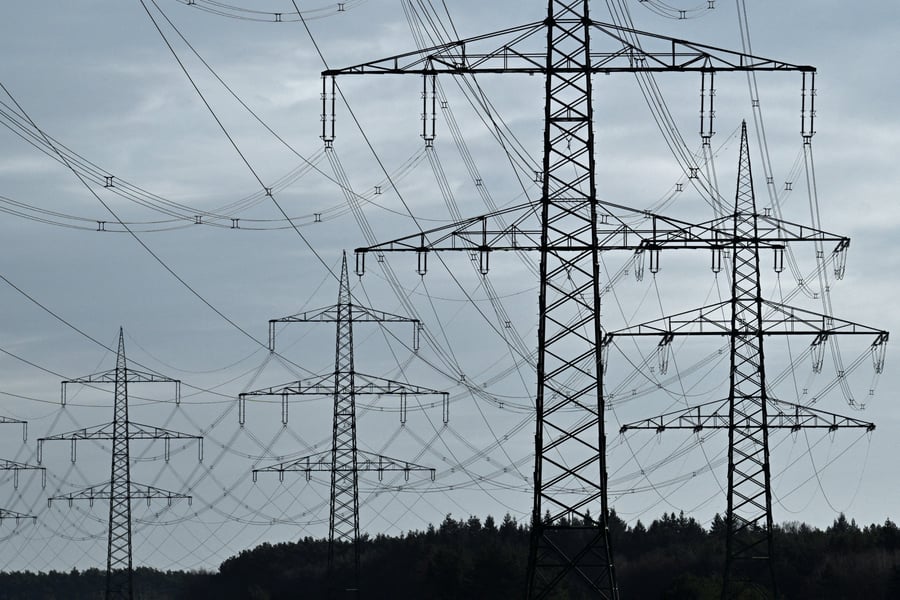

BONN — The sales pitch for the next round of global climate talks arrived Tuesday wrapped not in the language of melting ice but in the language of energy bills. Türkiye, host of the COP31 summit opening in Antalya this November, urged countries to commit to drawing 35 percent of the world’s energy from electricity by 2035, and it made the case less as planetary rescue than as armor against the oil and gas shocks rippling out of a burning Middle East.
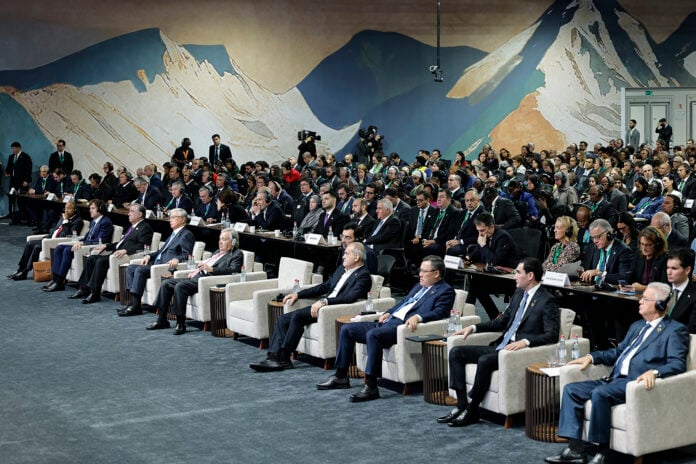
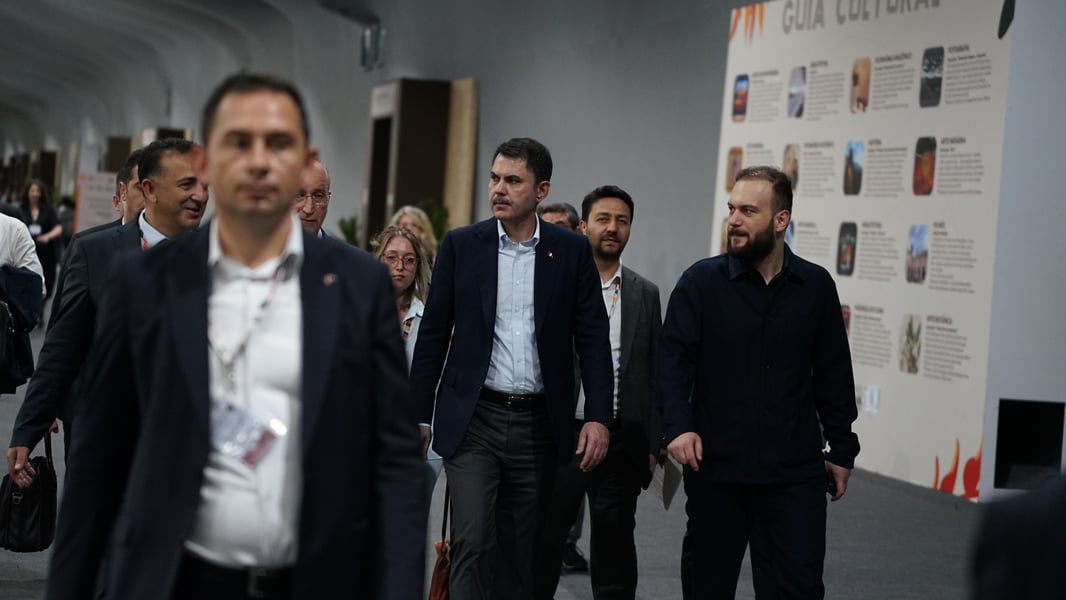
Murat Kurum, Türkiye’s environment minister and the summit’s incoming president, framed the target as the flagship of COP31’s action agenda when he unveiled it at the negotiating session in Bonn. Kurum said in a statement that electrifying daily life, “from transport to buildings and industry,” can protect families and businesses from volatile energy markets, language aimed squarely at finance ministries rather than environment desks. The number itself is ambitious. Electricity meets roughly 20 percent of global final energy demand today, and lifting that share to 35 percent within nine years would compress decades of infrastructure change into a single investment cycle.
The timing explains the framing. Thousands of negotiators are in Bonn this week drafting the groundwork for the decisions political leaders will take when the summit opens November 9, and the target is the first hard number attached to the Antalya agenda. It lands in a moment when war has made energy security the most persuasive argument in the room. Fossil fuel importers have spent the spring absorbing price spikes and supply scares, and Agence France-Presse reported that the Turkish organizers are selling electrification explicitly as insulation from those shocks.
The mechanics are deliberately soft. The goal sits in the voluntary action agenda that runs alongside the binding negotiations, which means it needs no consensus from the nearly 200 countries in the process and no signature from governments that want no part of it. The presidency says the figure rests on analysis from the International Energy Agency and the International Renewable Energy Agency, and that it will spend the months before Antalya assembling a coalition of the willing. In practical terms, electrification means swapping the technologies that burn fuel directly, gas boilers, diesel engines, industrial furnaces, for electric alternatives.
The target’s silence is its most important feature. Nothing in Tuesday’s announcement says where the new electricity should come from. Alden Meyer, a veteran observer of the talks at the climate think tank E3G, put the problem to AFP in Bonn with a question: if you electrify and you increase coal, what are you doing? Expanding electrification only cuts emissions, he argued, if fossil fuels are squeezed out of the power system at the same time, and the pledge asks for no such thing.
The hosts are betting the economics settle that question on their own. Renewables generated 34 percent of the world’s electricity in 2025, overtaking coal’s 33 percent for the first time in a century, according to the energy think tank Ember, figures carried in Daily Sabah. Chris Bowen, Australia’s climate minister and the chief of the formal negotiations under the two-country hosting arrangement, told AFP in Bonn that electrification and energy security are different sides of the same coin, because every electrified process is one fewer claim on imported fuel.
Not everyone in Bonn is applauding the framing. Greenpeace said in a statement that the initiative is welcome and insufficient in the same breath. Berkan Ozyer, who directs the group’s Turkish office, said real climate leadership means winning the electrification race rather than talking about clean energy, and pointed at the host’s own ledger: Türkiye still operates 37 active coal plants while championing the target. Simon Bradshaw of Greenpeace Australia Pacific went further, calling an end to what he termed the fossil fuel chokehold the only path to peace, security and a livable 1.5 degree ceiling.
The geopolitical backdrop is doing as much work as the diplomacy. Oil markets have spent the week whipsawing as US strikes on Iran put the war premium back into crude, a live demonstration of the exposure Kurum’s pitch promises to cure. Every importer watching fuel premiums climb is the audience for a 35 percent number, and the presidency knows it. The argument that once belonged to scientists now belongs to treasurers.
What the announcement cannot answer is whether a voluntary register changes anything on the ground. The action agenda model has a mixed record: summits past have produced headline pledges on methane and on tripling renewable capacity whose follow-through remains uneven, with no mechanism to penalize a signatory that drifts. Grid investment is the harder half of the promise, and the countries with the weakest grids are the ones least able to finance the buildout, a gap Tuesday’s statement acknowledges only by implication. The emissions economy keeps growing around the pledges meanwhile, from data centers to a sporting calendar that this same week produced the most polluting World Cup ever staged.
Kurum called the action agenda the driving force behind implementation, and his team now has five months to test whether that is true, recruiting governments one by one before the leaders arrive on the Mediterranean coast. The multilateral process is reaching for whatever argument still moves capitals, and in 2026 that argument is priced in barrels.
The recruiting will happen against the inconvenient arithmetic Greenpeace laid on the table. A country can sign the 35 percent pledge and build coal plants to power it, and nothing in the text would call that a violation. Whether the gap between the number and its silence gets closed in Antalya, or simply restated there, is the question Tuesday left open. Thirty-seven coal plants is one version of an answer.