
LONDON — Millions of phones in England and Wales received the same message simultaneously on Friday afternoon. The government’s emergency alert system, which exists for flooding, terrorism, and national disasters, was being used for something it had never been pressed into service for before: wildfire.
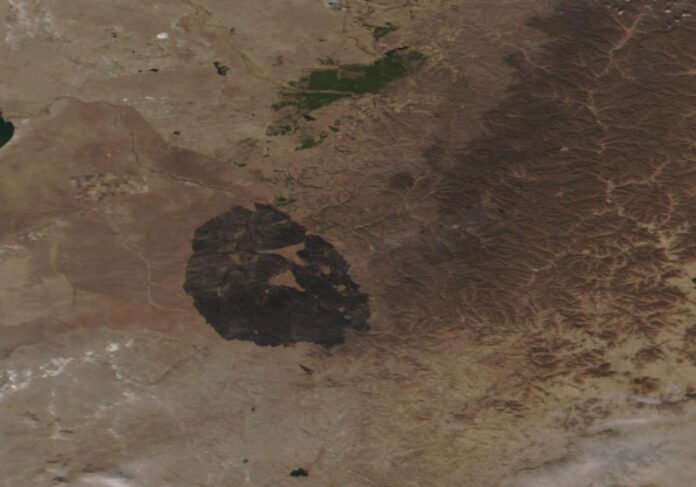
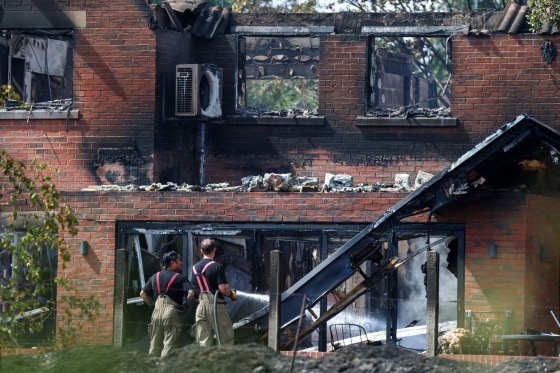
The message warned that even a small flame could rapidly become a major wildfire, placing lives, homes, businesses, and emergency responders at risk. The alert went out because, in the twenty-four hours before it did, fire services across England declared eleven major incidents. Phil Garrigan, the chair of the National Fire Chiefs Council, said demand for firefighting resources had already “outstripped the capability” of the services trying to respond. Nineteen homes had burned to the ground in Stourbridge, in the West Midlands.
Prime Minister Andy Burnham, who travelled to Stourbridge in person to see the damage, said he had “never seen scenes like this in Britain.” He reached for one word to describe the country’s condition: “tinderbox.”
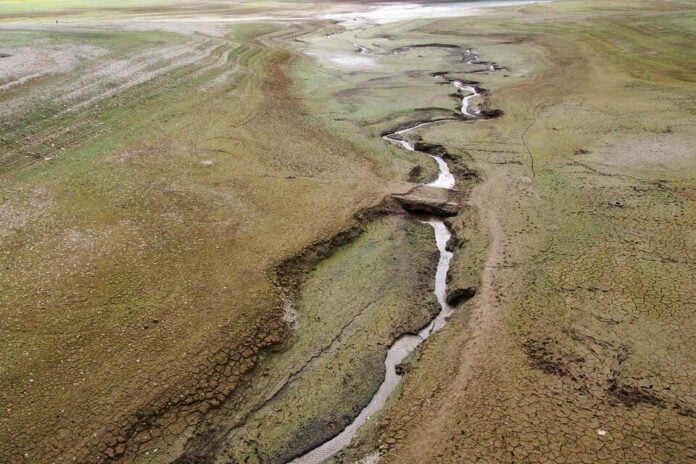
That word has a statistical basis. By this week, 71.3 per cent of England was in drought, according to the government’s own assessment. July had been England’s driest month on record. A fifth heatwave had pushed temperatures above 100 degrees Fahrenheit. London’s historically green parks turned brown weeks ago and have not recovered. The government announced an immediate ban on disposable barbecues, ordering retailers to remove them from shelves at once.
“Farmers are watching crops fail and firefighters have faced hundreds of wildfires in a matter of weeks,” Burnham said. “This is what climate change looks like here and now.”
Britain’s fire vulnerability is relatively recent. The country’s maritime climate, shaped by the Atlantic and positioned at latitudes that historically kept summers mild and wet, protected it from the fire ecology that has long defined the Mediterranean. Dry summers were an inconvenience, not a catastrophe. That picture changed in slow increments over the last decade, and then more abruptly as consecutive record-breaking summers accumulated from 2022 onward. Scientists studying Europe’s June 2026 heatwave found that conditions of that severity were virtually impossible without climate change, a shift, researchers noted, from “climate change made it worse” to “climate change made it happen at all.”

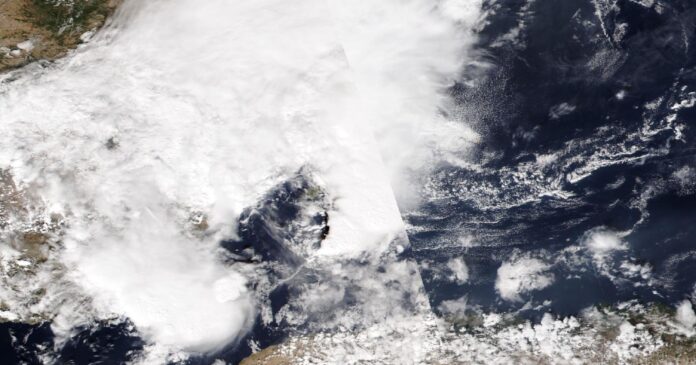
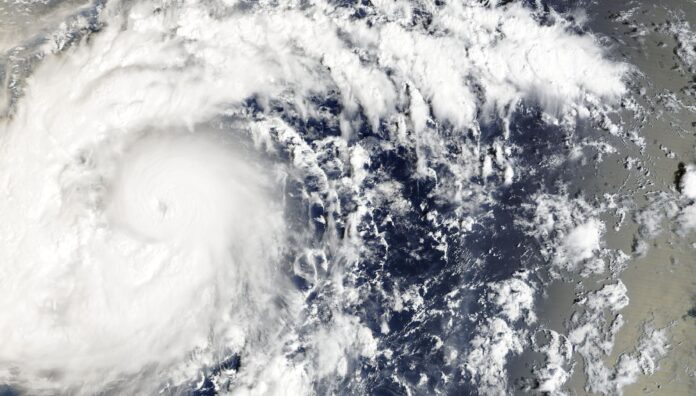
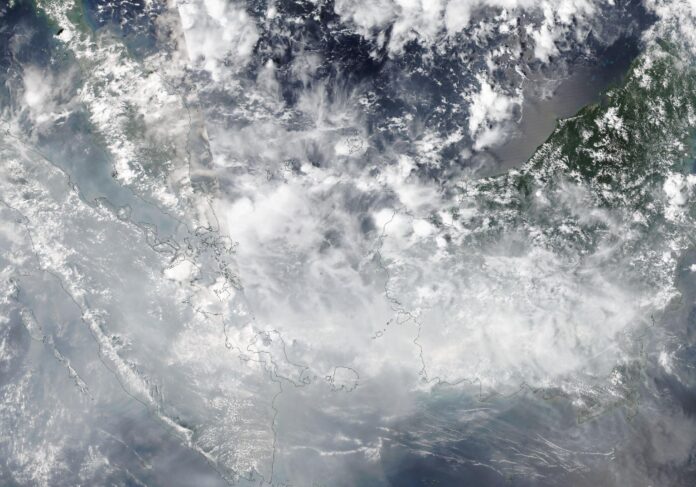
Friday’s fires are part of a simultaneous European crisis. While the Stourbridge alert went out, Spain’s Huelva province was evacuating around 700 people. More than 2,000 residents were cleared from Gey village in western Germany. Five hundred and twenty-five people left Luglon in southwestern France. Croatia’s Dalmatian coast evacuated 1,200 people near Omis, where 40 were injured. Three hundred were moved by boat from Siviri in northern Greece. The blazes represent a single fire season spreading across a continent. The same sustained heat that preceded Europe’s June heatwave, which killed at least 3,700 people across France, Belgium and the Netherlands, has continued and compounded.
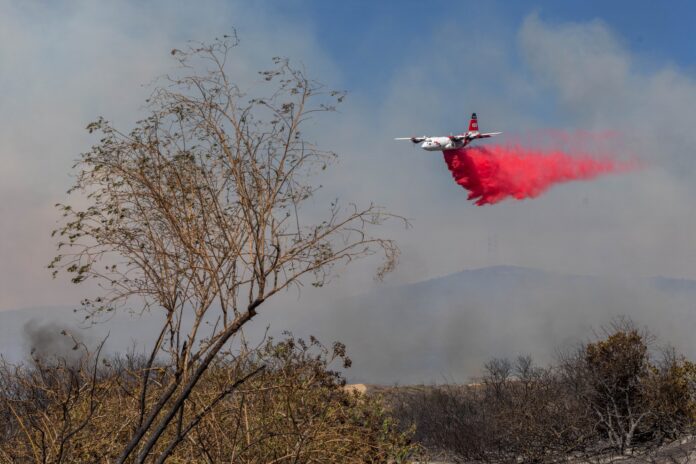
The structural difference between Britain and its continental neighbours is not climatic. It is institutional. Southern European countries manage fire seasons. They operate aerial firefighting fleets, maintain protocols honed through decades of incidents, and work within a public culture that treats fire season as a fact of summer. Britain has no comparable infrastructure, and is building it under live conditions. The nationwide emergency alert was a precise measure of how wide that gap is: the government deploying its crisis-communication system to keep the public from starting fires, because there are not enough firefighters to extinguish one if it starts.
Britain’s cell broadcast alert system, introduced in 2023, has previously been deployed for flooding, extreme weather warnings, and dam failures. Friday was the first time it was sent for wildfire. That deployment is itself a formal acknowledgment, the system’s operators treating fire, for the first time, as equivalent in urgency to the hazards it was built to address.
The government announced separately a £65 million drought support package for farmers, covering on-farm reservoir funding, flexible land-use payments to keep livestock alive, and expanded Sustainable Farming Incentive contributions. NBC News reported on the combined response Friday, noting that Burnham connected both measures explicitly to climate change rather than framing them as exceptional weather events.
What is not established is whether this summer ends at eleven major incidents or continues to add to that number. Rain is not forecast in significant quantities for the week ahead. The homes destroyed in Stourbridge are total losses. The barbecue ban is described as temporary, its permanence under review. What Britain is still working out is whether this summer is a severe outlier in its fire history, or the summer that established what fire season will look like going forward.