LONDON — A bus passenger in England who plays music or video aloud can be handed a fixed penalty of up to £100, the government said on Monday, but only where the local council has written a byelaw and the Transport Secretary has approved it. A headline fine fits on a poster. The legal machinery behind it takes longer.
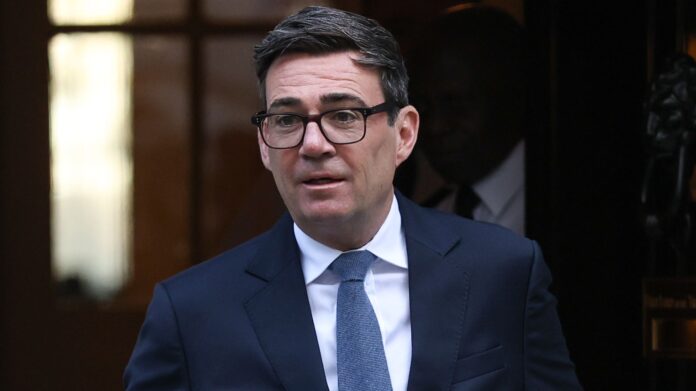
Prime Minister Andy Burnham launched the package with a complaint most commuters will recognise. “We’ve all been on the train when someone starts blasting music or videos from their phone,” he said, adding that “it gets on your nerves and can quickly spoil the journey.”
Two measures arrived together, according to the Department for Transport. On rail, a campaign under the slogan “share the carriage, not the noise” tells passengers that anyone who refuses to stop when asked by authorised staff can be removed at the next station or fined up to £1,000. On buses, guidance went to local transport authorities, which have been able to make their own byelaws against loud music, vaping, littering and threatening behaviour since 5 August.
The gap between the poster and the law is the story. The £100 figure is a ceiling, not a tariff: section 144E of the Transport Act 2000, as inserted by the Bus Services Act 2025, says a fixed penalty “must not be more than £100” and requires each notice to state the amount. Before any of it is enforceable, an authority must publish its proposed byelaws and allow at least 28 days for objections, and the Transport Secretary may then confirm or refuse them. On TEH’s reading of section 144B, a council publishing its notice today could not submit before 17 November.
The department’s own guidance leans against the headline. It says “in no circumstances should enforcement be considered a means to raise revenue,” advises officers to engage and educate before they enforce, and concedes that “intoxication alone may be difficult to evidence.”
Its model wording for music is broader than the campaign tone suggests. Nobody using the bus network, it proposes, “shall, to the annoyance of any person, sing or use any instrument, article or equipment for the production or reproduction of sound on a bus or on bus premises.” Annoyance is a low bar, though the guidance elsewhere ties offensive behaviour to conduct likely to cause “harassment, alarm or distress to a reasonable person.”
Ben Plowden, chief executive of Campaign for Better Transport, tied his welcome to a condition, saying the powers would help passengers feel safe “if these new powers are properly and visibly enforced,” according to the government’s announcement. Richard Parker, the West Midlands mayor, said the guidance and government backing meant “we can go further.”
Neither the announcement nor the guidance says which authorities have already proposed byelaws, how many authorised officers they can field, or where the first £100 penalty might be issued.