
Content note: This report concerns rape and sexual assault. It does not identify the complainants or reproduce graphic descriptions of the offences.
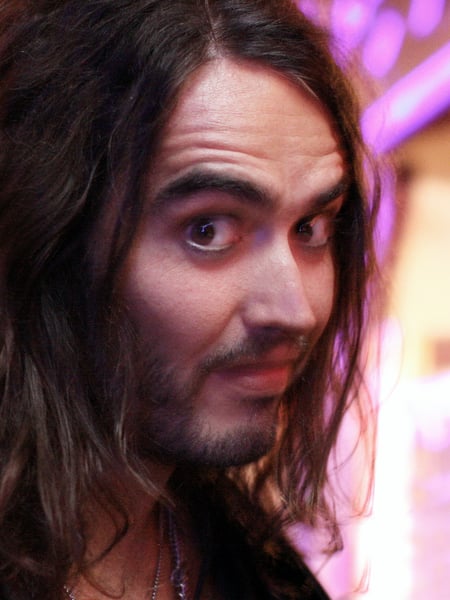
Russell Brand was sentenced to 10 years and six months in prison at Southwark Crown Court on November 9, 2026, after a jury convicted him of one count of rape and three counts of sexual assault. The offences involved four women and took place between 2004 and 2009.
Mr Justice Joel Bennathan imposed nine years for the rape and a further 18 months through three overlapping sexual-assault sentences. The published sentencing remarks state that Brand must serve two-thirds of the total term before release on licence, with time already served counting towards it.
The sentencing followed verdicts delivered on November 5. Brand, 51, was acquitted of two other rape charges and one count of attempted indecent assault. He had denied the charges and said he had never engaged in non-consensual sex, according to NPR’s court report.
How Russell Brand’s sentence adds up to 10 years and six months
The court’s order does not simply add all four individual sentences together. Bennathan applied the sentencing principle of totality, which requires the overall punishment for multiple offences to be just and proportionate.
The terms were nine years for rape, nine months for one sexual assault, 18 months for another and eight months for the third. The three sexual-assault terms run concurrently, meaning they are served at the same time. Their combined effect is therefore the longest of those terms: 18 months.
That 18-month block runs consecutively to the nine-year rape sentence. In other words, it is added afterwards, producing a total of 10 years and six months. The judge reduced the 18-month term from two years to take account of totality.
Bennathan explained that making every sentence consecutive would not be appropriate, but making them all concurrent would fail to reflect the seriousness of offences committed against several women over a five-year period.
Judge says fame did not remove the need for consent
In his sentencing remarks, Bennathan described Brand as having become “a sexual predator” during his rise to fame. He said the offences demonstrated disregard for the women’s wishes and that Brand’s status had helped shield his behaviour from public scrutiny.
The judge also made clear that he was sentencing only for the crimes established by the verdicts. He expressly disregarded allegations in the 2023 media investigation and allegations at trial on which the jury had acquitted Brand.
Discussing the prosecution’s submissions, Bennathan distinguished celebrity influence from the specific legal meaning of an abuse of trust under sentencing guidelines. He also said he had to avoid punishing Brand more severely simply because he was famous.
“Whatever women wear, wherever they go, indeed whatever they drink, they retain the right to say no,” he said. The remarks placed responsibility for the offences on Brand, rather than on decisions the women had made before encountering him.
Court considers lasting harm and mitigation
The court heard victim-impact statements describing lasting effects on the women’s confidence, relationships and sense of safety. BBC reporting from the hearing records the judge’s tribute to their determination and bravery in giving evidence.
Brand’s defence argued that he was a fundamentally different person from the man who committed the offences. Bennathan considered his lack of significant previous convictions, the time since the last offence and his work helping people with addictions, including funding treatment.
The judge said the seriousness of sexual offending limited the weight those considerations could carry. Nevertheless, he reduced the rape sentence he would otherwise have imposed by one year. He also considered the effect imprisonment would have on Brand’s children, while making clear that the separation resulted from Brand’s offending.
What release on licence means in this case
The sentencing order provides for release after two-thirds of the custodial term. That amounts to seven years of the 10-and-a-half-year sentence, subject to credit for days already served. It is not an announcement of a specific calendar release date.
The remaining portion is served on licence rather than being cancelled. Bennathan said Brand would be liable to recall to custody if he breached the licence terms. The judge also ordered that Brand be subject indefinitely to notification requirements under the Sexual Offences Act 2003 after release.
The official judiciary case page dates the sentencing to November 9. This report is an account of that decision, not a claim that a new sentence was imposed on November 13.
The women in the case are protected by lifelong anonymity. The judge warned that the prohibition covers not only publishing names but also releasing enough information for identities to be deduced. This report therefore omits identifying details while setting out the convictions, acquittals and sentence imposed on Brand in London.