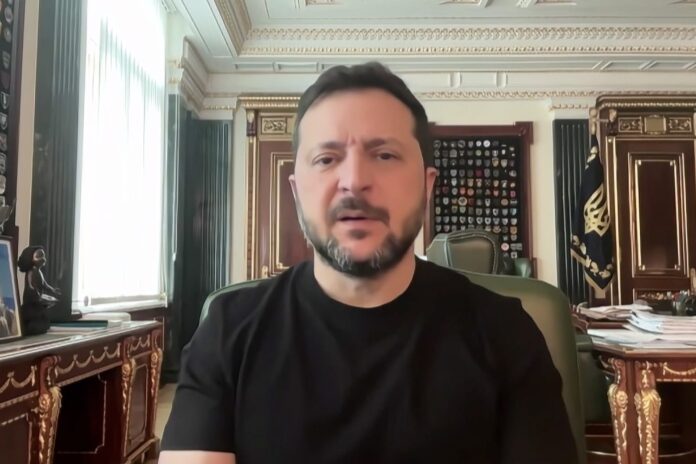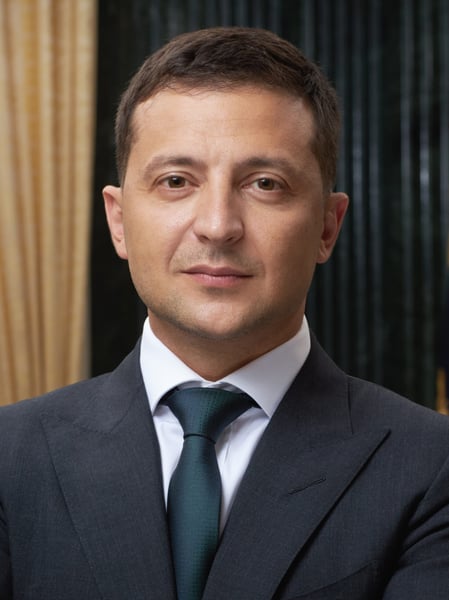

ANKARA — Turkey’s Vatan party called for the government to respond to Volodymyr Zelensky’s use of the title “Ecumenical” for Patriarch Bartholomew, arguing in a statement dated November 14 that the Ukrainian leader’s wording challenged Turkish sovereignty and the Istanbul-based Patriarchate’s status.
The party’s accusation concerns language it said Zelensky used following his October 31 visit to Turkey and meeting with Bartholomew in Istanbul. The dispute touches on Turkey–Ukraine relations. Vatan, also known as the Homeland party, linked its objection to its interpretation of the 1923 Treaty of Lausanne and demanded scrutiny of the patriarch’s activities.
The statement represents a political party’s position, not an announced finding by the Turkish government or a court. Its central allegation is that recognising the patriarch’s wider religious role risks granting an institution based in Turkey a political standing beyond Turkish authority.
In Vatan’s November 14 statement, the party characterised Zelensky’s use of the title as an encroachment on Turkey’s sovereign rights. The party connected its complaint to his visit and subsequent social-media wording.
The party said its British organisation delivered the statement outside All Saints Greek Orthodox Cathedral in London, seeking to bring its objections to British and European authorities. It argued that the Patriarchate should operate under Turkish legislation and refrain from political and diplomatic activities.
The London setting gave the protest an audience beyond Turkey. Vatan’s representatives challenged not only Zelensky’s choice of words but also foreign recognition of the patriarch’s international standing.
The party invoked Lausanne in support of its demands. A Treaty of Lausanne text published by Greece’s Foreign Ministry (Word document) provides the treaty’s political and minority-protection provisions. However, Vatan’s statement does not identify a specific treaty article prohibiting the title “Ecumenical.” Its interpretation of the settlement remains the party’s argument rather than an independently established legal conclusion.
Vatan’s concern centres on the distinction between religious authority and political power. It argues that international recognition of the patriarch’s special role could strengthen the Patriarchate’s influence and allow it to act as an independent political institution. The statement does not establish that Zelensky’s wording conferred any new legal powers or diplomatic status.
The party also warned against drawing churches into international confrontations, arguing that religious institutions should not become instruments of geopolitical conflict.
Vatan called on the Turkish government to issue an official response through diplomatic channels and instructed no agency itself: it demanded that the Interior Ministry examine what it described as the Patriarchate’s political and diplomatic activities contrary to Lausanne. That request is a demand for government action, not evidence that an investigation has begun.
The sources reviewed for this draft contain no response from Zelensky’s office, the Patriarchate or Turkish authorities to this statement. They also do not establish whether Ankara intends to act on the party’s request.
Vatan’s original statement has now been checked directly. Zelensky’s specific social-media wording has not been independently verified for this draft.