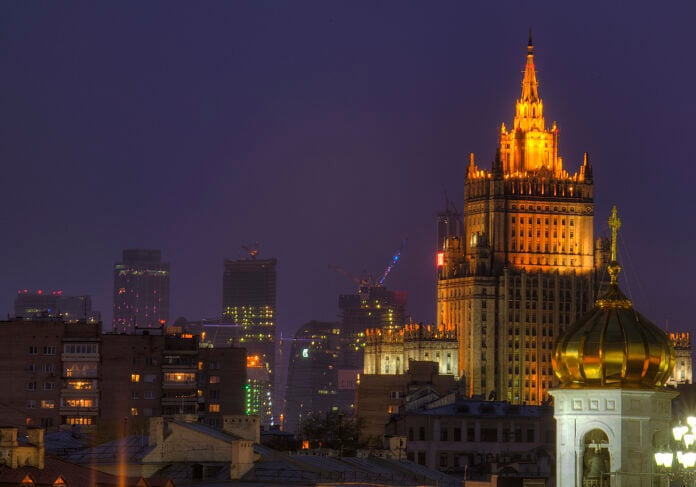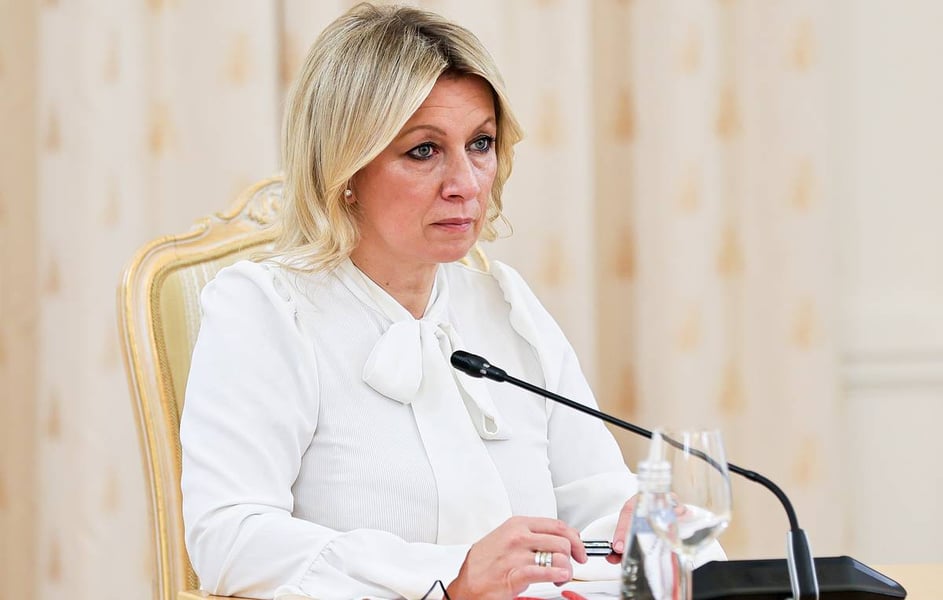

MOSCOW – Russian Foreign Ministry spokeswoman Maria Zakharova disputed Boris Johnson’s account of being made to drink vodka during his 2017 visit to Moscow, saying on Sunday that the former British foreign secretary had a choice of drinks and repeatedly asked for more.
Her response challenges Johnson’s description of Russian Foreign Minister Sergey Lavrov’s hospitality. In a Tres Respuestas interview, Johnson portrayed the encounter as an uncomfortable episode in an unsuccessful attempt to improve relations with Moscow. Zakharova offered a different recollection: wine was available, she said, but Johnson chose what he wanted.
The dispute concerns a private lunch almost nine years ago. Contemporary British government records establish the date and diplomatic purpose of Johnson’s visit, but do not settle how much alcohol he drank or whether he felt pressured to drink it.
Zakharova told Komsomolskaya Pravda that Johnson “could have chosen the wine that was standing in front of him,” according to the exchange published on Sunday and reproduced by TASS. She added, in remarks translated from Russian: “I remember that lunch. Johnson kept asking for more.”
Johnson’s own comments can be heard in the Tres Respuestas conversation with former Colombian president Iván Duque. The programme’s YouTube page is dated November 11. Discussing his effort to pursue a reset with Russia while foreign secretary, Johnson called the attempt “a disaster” before recounting his meeting with Lavrov.
Johnson said Lavrov “made me drink a huge amount of vodka” while they sat in front of “a very hot fire.” He compared the experience to “a sort of Victorian public school punishment” and said the discussions had achieved nothing. His remarks appear about 42 minutes into the interview.
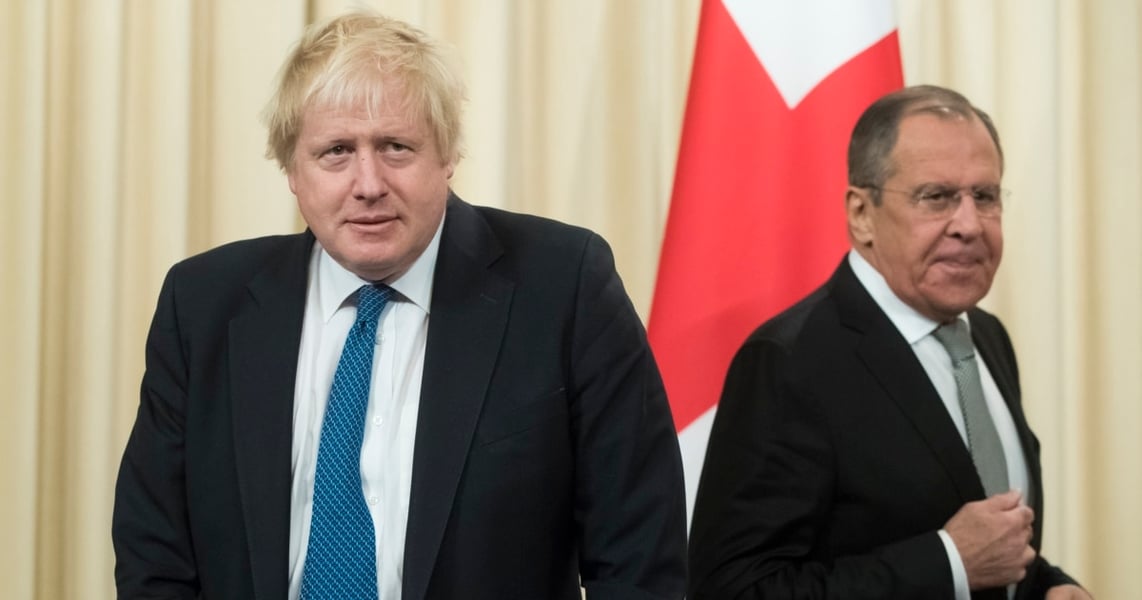
The public record from the visit is more specific about the diplomacy. Britain’s Foreign & Commonwealth Office announced Johnson’s arrival in Moscow on December 22, 2017, for talks with Lavrov. Its advance account identified the Iran nuclear agreement, North Korea and preparations for the 2018 World Cup among areas where London wanted cooperation despite serious disagreements with Russia.
Johnson was visiting as foreign secretary, not as prime minister. In his public statement that day, he described himself as the first British foreign secretary to visit Moscow in about five and a half years. He acknowledged differences over Ukraine, the Western Balkans and Russian activities in cyberspace, while arguing that the two countries should work together where their interests overlapped.
At the end of that statement, Johnson thanked Lavrov for his “generosity and your hospitality and for welcoming me and my team today,” according to the transcript retained on the British government’s website. That was his public description of the reception at the time; it does not, by itself, establish what happened during the private lunch or disprove his later account.
The contrast is between the diplomatic language Johnson used publicly in 2017 and the personal anecdote he now tells about the visit. In Moscow, he spoke of finding a way forward in Russia–UK relations despite differences. In the Tres Respuestas interview, he described the attempted reset as a bitter disappointment. Zakharova’s response addresses the drinking episode, rather than resolving that broader disagreement over the visit’s outcome.
Zakharova also brought Liz Truss into her recollections of British visitors. In the published newspaper exchange, she said Truss had brought an “atmosphere of an English pub” that did not fit the surroundings of the Morozov mansion, used by the Russian Foreign Ministry for receptions. The remark was Zakharova’s characterisation, not an independently established description of Truss’s conduct.
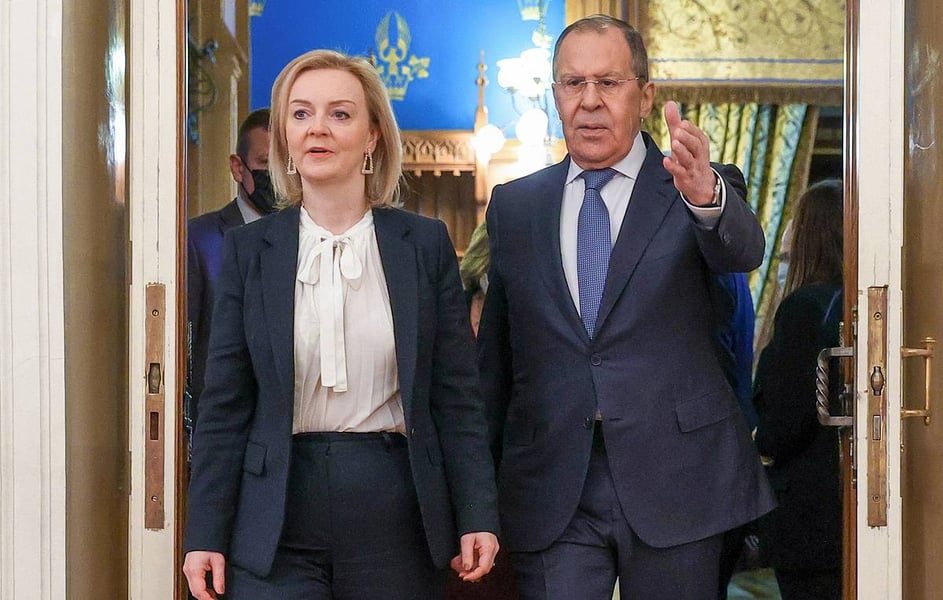
The British account of Truss’s meeting describes discussions about the military build-up around Ukraine, European security and areas of international cooperation. It supplies no account of the drinking episode Zakharova described. It therefore documents a separate ministerial visit without independently substantiating her pub comparison.
Sunday’s exchange leaves two competing recollections of Johnson’s lunch. Johnson says Lavrov made him drink; Zakharova says he chose his drink and asked for more. The contemporary British transcript ends with thanks for Lavrov’s hospitality, but contains no account of what was poured at the table.