
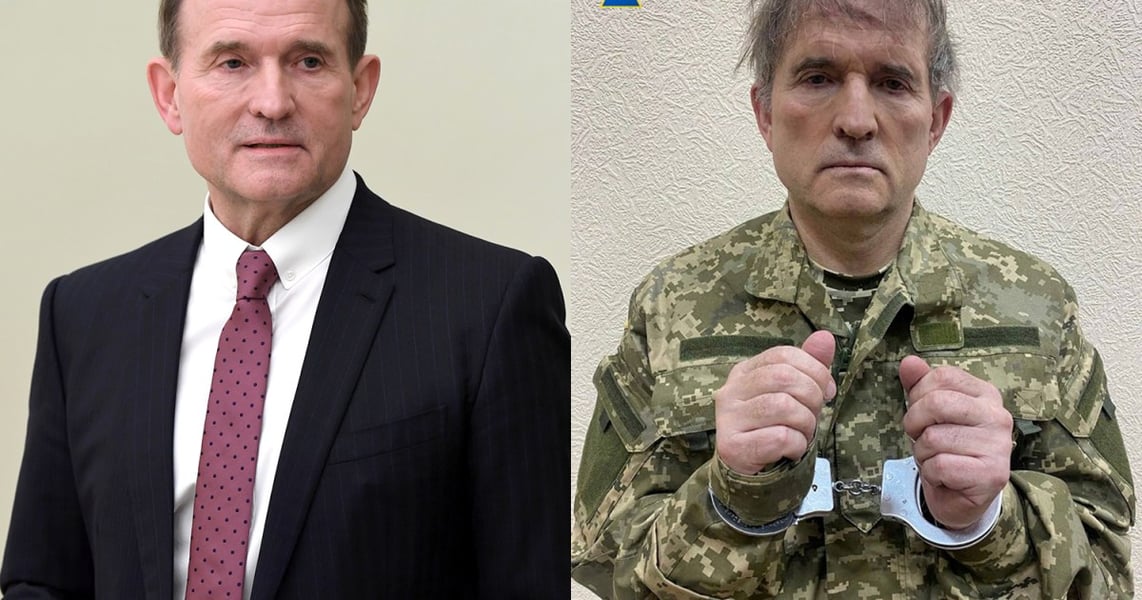
MOSCOW — Viktor Medvedchuk, an exiled Ukrainian politician who now lives in Russia, has blamed President Volodymyr Zelensky for what he calls a steady hardening of the terms offered to Kyiv. His claim comes as Washington presses for a new round of talks before Christmas.
Medvedchuk, the former leader of Ukraine’s banned Opposition Platform – For Life and head of The Other Ukraine movement, made the remarks in comments carried by Russia’s RIA Novosti on November 25. The item was also carried by NAMPA with a Sputnik credit.
Medvedchuk said, “Zelensky sincerely believes that he will be the one to dictate the terms of international agreements to everyone, and the more he demands, the more he will be given.” He continued: “As we can see, this strategy leads to exactly the opposite results”, arguing that each new set of terms offered to Kyiv was worse than the previous one. The supplied report did not identify specific proposals or compare their provisions.
Medvedchuk’s political ties are important context for his argument. France 24 reported in February 2024 that he had found refuge in Russia after a September 2022 prisoner exchange and faced treason charges in Ukraine. It described the movement’s Russian-language platform as promoting Kremlin narratives. Putin is godfather to Medvedchuk’s youngest daughter, according to that report.
The report also recalled President Vladimir Putin’s account of the early 2022 negotiations. In his February 2024 interview with Tucker Carlson, Putin said Russia had been close to an agreement before Kyiv abandoned it after Russian troops withdrew from the Kyiv area. He also cited Zelensky’s subsequent restriction on negotiations. These assertions were presented as Putin’s account, not an independently established explanation of why the talks failed.
RIA Novosti also cited comments made in November 2023 by David Arakhamia, the Servant of the People parliamentary faction leader. According to that account, Arakhamia said the fighting could have ended in spring 2022, but Kyiv did not accept neutrality, and then-British Prime Minister Boris Johnson urged Ukraine not to sign an agreement with Moscow. The supplied report did not include a response from Johnson or an assessment of whether an enforceable settlement was available.
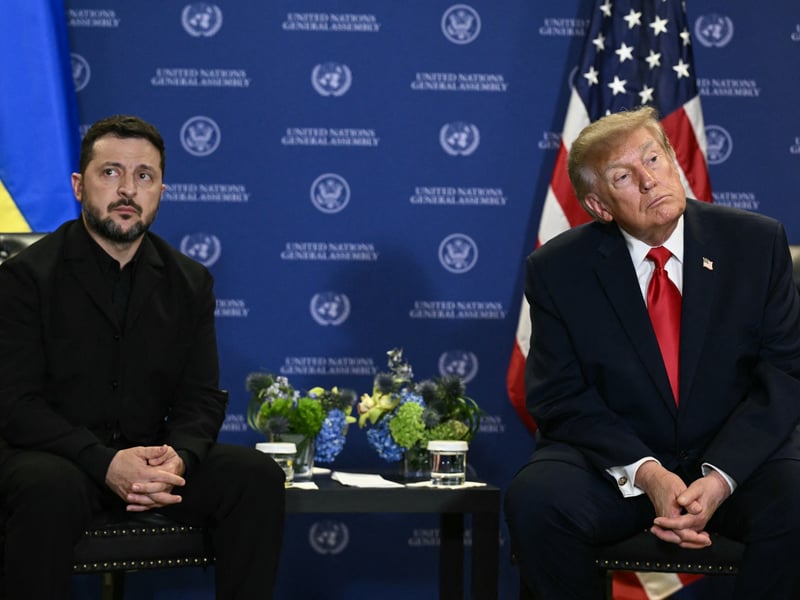
Current diplomacy provides a separate test of Medvedchuk’s argument. Georgia Today reported on November 24 that Zelensky had said on November 21 that the Trump administration wanted new trilateral talks before Christmas and that Kyiv had agreed. Preparatory consultations would determine the agenda and expected outcomes; the date and venue were not confirmed.
Russian and Ukrainian officials met in Abu Dhabi on November 10 for their first peace talks since February, according to a Reuters report published by Chronicle.lu on November 11. The report identified territory, neutrality and security guarantees as major divisions. It said Putin had shown no public sign of abandoning his demand for the whole Donbas, while Zelensky refused to hand over land Ukrainian forces were defending.
Kyiv is also considering what follows if the American initiative fails. Kyiv Post reported that Zelensky, in a Bloomberg interview published November 24, said Ukraine would seek further military assistance and tougher sanctions from the incoming US Congress if Trump did not secure an acceptable peace agreement by the end of the year.
Zelensky’s stated position is that Ukraine wants the fighting to end but will not accept an unfavourable settlement. That leaves a distinction between Medvedchuk’s criticism of Kyiv’s demands and the unresolved negotiating question: which territorial and security commitments Russia and Ukraine would actually accept.