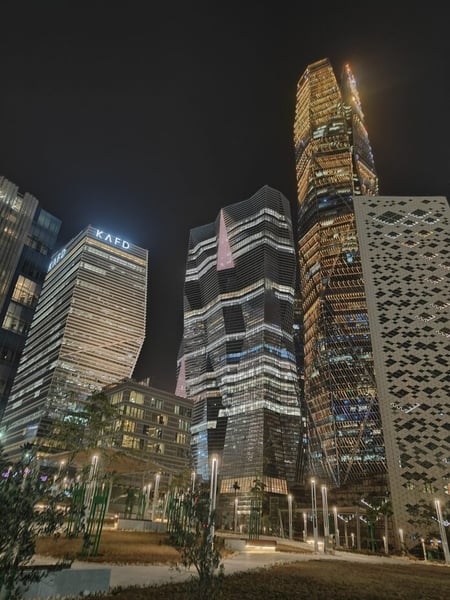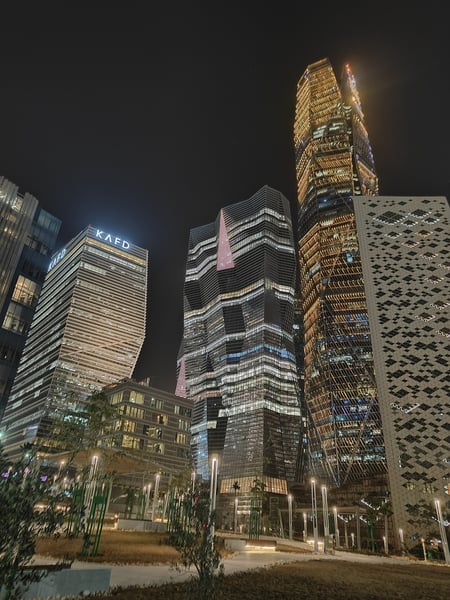

RIYADH, Saudi Arabia — An attack damaged the headquarters of Saudi Arabia’s sovereign wealth fund on Thursday, bringing the war in Yemen into a financial district central to the kingdom’s economic ambitions. Saudi civil defense reported damage to several floors of a tower and nearby buildings, but no injuries.
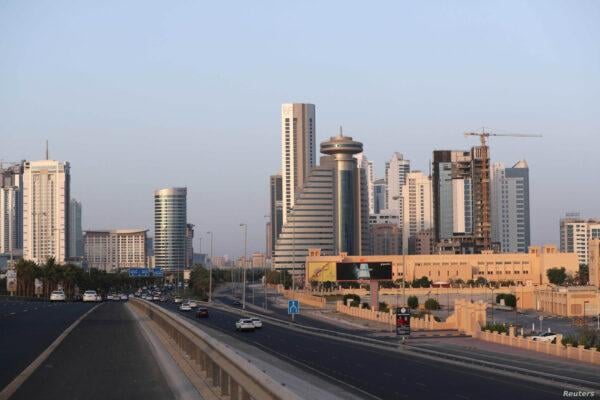
The statement, carried by the Saudi Press Agency, did not name the building. An accompanying photograph showed the Public Investment Fund Tower, Riyadh’s tallest skyscraper. Windows were blown out across seven to eight floors, with sections of the building’s metal facade bent, according to the report carried by NBC News.
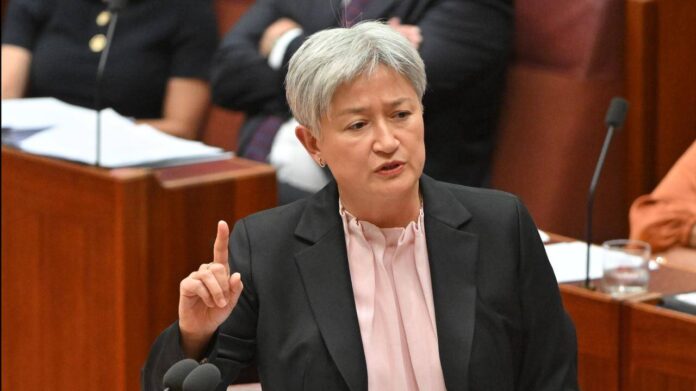
Saudi Arabia’s foreign ministry said the kingdom reserved the right to take “all necessary measures” to defend its sovereignty and protect its citizens and national assets. The attack was the second in less than two weeks to damage a prominent building in Riyadh’s financial district, following damage to an Aramco building on November 8.
The strike puts renewed pressure on the kingdom as its military campaign in Yemen coincides with efforts to attract investment and diversify an economy long dependent on oil. The immediate confirmed consequences were physical damage and restrictions on access: the King Abdullah Financial District was closed to visitors following the attack. The report did not provide a repair estimate or say how long the closure would last.
Accounts of how the tower was damaged were not identical. Three sources familiar with the matter said an incoming Houthi missile struck the building. The Saudi-led coalition said it had “dealt with a missile threat” launched toward Riyadh and that debris had fallen. Those accounts leave an important distinction unresolved: whether the damage resulted from a direct impact or falling debris during the response.
Residents of the capital heard a loud boom in the early hours of Thursday. Civil defense issued several warnings of potential danger throughout the day, including after the attack, before announcing that the threat had passed. Officials reported no injuries, but the damage extended beyond the tower to nearby buildings.
The Houthis said they targeted Riyadh’s financial center twice on Thursday, once at dawn and again in the evening. They also claimed attacks on King Khalid International Airport, the Khamis Mushait airbase in southern Saudi Arabia and SADAF Petrochemical Company in Jubail, in the kingdom’s Eastern Province. Saudi authorities had not immediately confirmed those additional claims.
Those claims should not be treated as an established account of damage across Saudi Arabia. The available Saudi statement concerned damage in the financial district, while the other alleged targets appeared in the Houthi account. Nor did the reporting establish which of the two claimed attacks on the district caused the damage photographed at the PIF Tower.
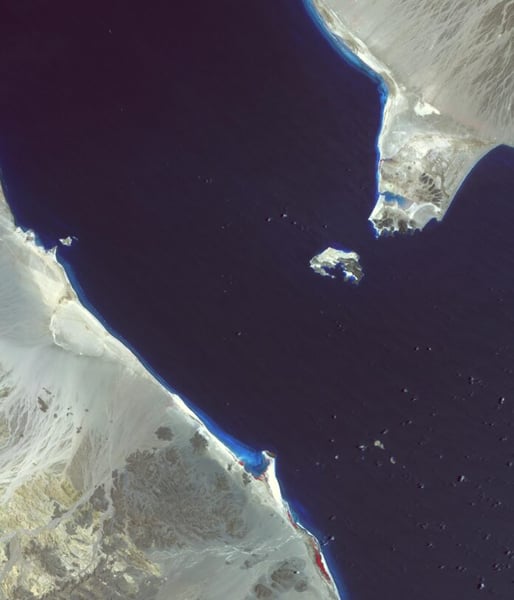
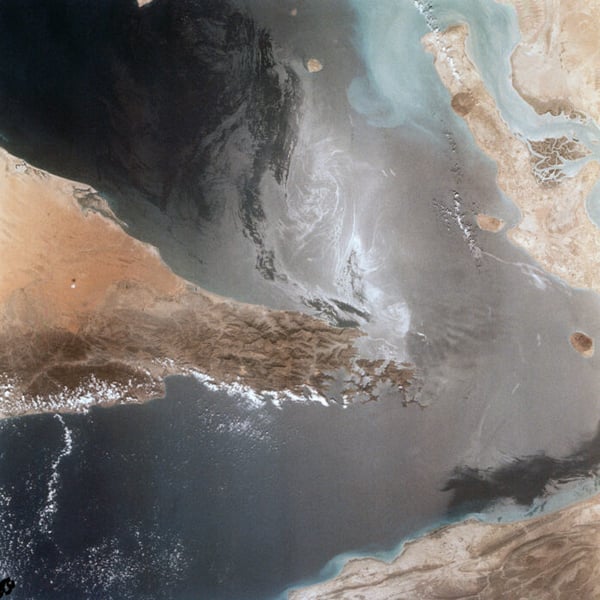
The attack follows a deterioration in the military position of Yemen’s Saudi-backed government. According to the report carried by NBC, Houthi forces have seized territory and forced government-aligned forces into a major retreat. They have taken Yemen’s Red Sea coast, including the strategically important Bab el-Mandeb Strait, and surrounded Taiz, in the highlands overlooking the government’s temporary capital, Aden.
The Eastern Herald previously reported on southern forces’ withdrawal from Bab al-Mandab to reinforce Aden. That battlefield context distinguishes the current escalation from an isolated exchange of long-range fire: Saudi Arabia is confronting attacks on its own territory while its allies face pressure inside Yemen.
The Houthis have targeted Saudi airports and oil infrastructure since Yemen’s largely frozen conflict reignited in July amid the wider US-Iran war. Saudi Arabia first intervened in Yemen in 2015, leading an Arab coalition seeking to restore the government after the Houthis seized Sanaa and much of the country. A 2022 ceasefire followed years of fighting that had settled into a bloody stalemate.
On Thursday, the Houthi-run Saba news agency reported Saudi airstrikes on Sanaa, without providing further details. Saudi authorities did not immediately respond to a request for comment on those reported strikes. The account therefore remained attributed to the Houthi-controlled outlet rather than independently established in the reporting reviewed for this article.
Crown Prince Mohammed bin Salman met US Central Command chief Admiral Brad Cooper in Riyadh on Wednesday. It was Cooper’s third publicly reported visit to Saudi Arabia since the Yemen conflict resumed, according to NBC’s report. The meeting preceded the damage to the wealth fund’s headquarters, a building associated with the kingdom’s investment-led development plans.
The earlier attack on the Aramco building in Riyadh had already demonstrated the vulnerability of prominent commercial locations during the renewed fighting. Thursday’s damage adds another financial-district landmark to that record, although the available reporting does not establish a wider interruption to the fund’s operations.
PIF had acknowledged a request for comment, but the report included no substantive response from the fund. Its account also left unanswered when employees could return, whether offices on the damaged floors were occupied at the time and how long repairs would take. Saudi authorities’ report of no injuries provides the clearest immediate outcome; the operational consequences for the tower remain unspecified.