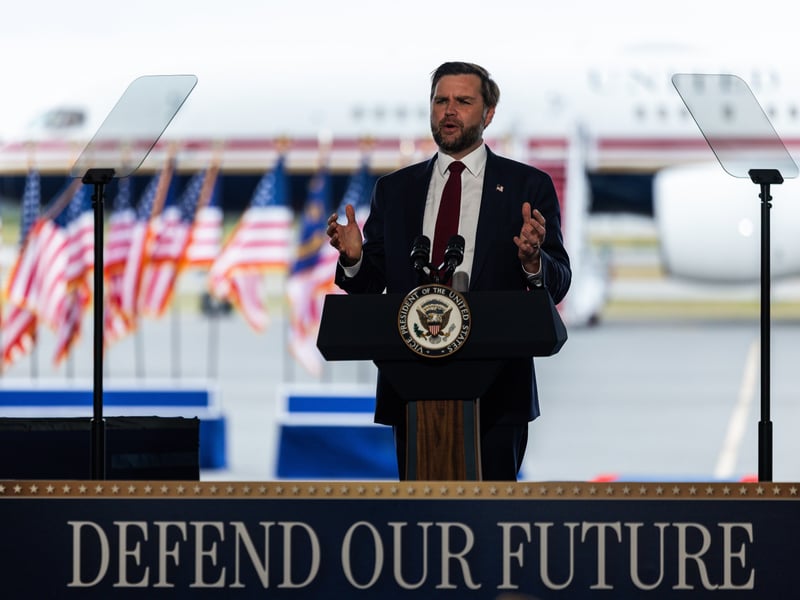

Iranian decision-makers are assessing a shift in Washington’s approach after President Donald Trump redirected Vice President JD Vance away from Iran diplomacy, with analysts in Tehran warning that prolonged economic pressure could increase the risk of renewed military escalation.
In a November 14 report from Tehran, Al Jazeera said Trump had instructed Vance, the United States’ chief negotiator with Iran, to focus on alleged Democratic corruption. Trump said in a Truth Social post on Thursday that reaching a deal with Iran was no longer a government priority, the outlet reported.
The reassignment does not mean all diplomatic contact has ended. Al Jazeera reported that mediated exchanges were continuing, although no breakthrough was expected. Iranian newspaper Shargh also argued that Vance’s role remained unresolved rather than definitively terminated.
Tehran reads a political signal
Nasser Hadian, an international relations professor at the University of Tehran, told Al Jazeera that Trump’s decision primarily signalled confrontation with Democrats following their midterm election victories. But it also carried a message for Tehran by moving a comparatively pragmatic administration figure away from the negotiations.
“Another signal is to Iran, essentially saying reaching a deal now is not a priority, and that the person known to have a relatively softer stance on Iran was redirected to other issues,” Hadian said.
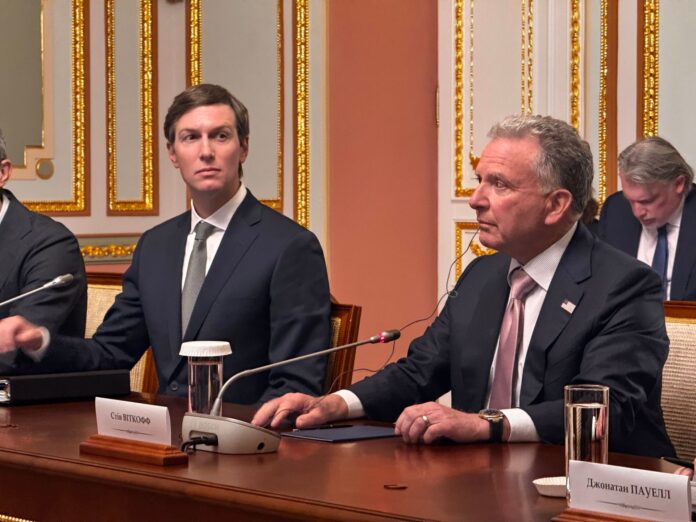
Al Jazeera described Vance as a supporter of a negotiated resolution because of the war’s economic costs and public opposition. The report said he worked with Jared Kushner and Steve Witkoff on a June memorandum of understanding that briefly paused the conflict and reopened shipping through the Strait of Hormuz before breaking down.
Diplomacy faces a credibility problem
The report said Vance wrote to Iranian security chief Mohsen Rezaei in late October as regional mediators sought to narrow differences. Rezaei initially described the letter’s tone positively, but later dismissed reports of progress and a possible direct meeting as claims about imaginary talks.
Mohammad Saleh Sedghian, director of the Arab Center for Iranian Studies, told Al Jazeera that the central problem extended beyond the identity of Washington’s negotiator. Iranian officials were questioning whether Trump would implement another agreement even if negotiators reached one.
“Even if you can imagine Mr Rezaei sitting down with Mr Vance, and reaching a deal? What guarantee is there that Trump will enforce it?” Sedghian said.
According to the report, Tehran is seeking seven conditions and a clear sequence of concessions to end the war. Al Jazeera did not enumerate those conditions in this article. It reported that the demands appeared unacceptable to Washington, while mutual suspicion continued to obstruct negotiations.
Blockade and shipping disruption raise the stakes
Al Jazeera reported that Washington believed maritime pressure, disruption at land borders, air restrictions and sanctions were strengthening its leverage over Iran. Sedghian warned that the resulting costs for Iranian civilians made an extended period without either a settlement or an end to the pressure particularly dangerous.
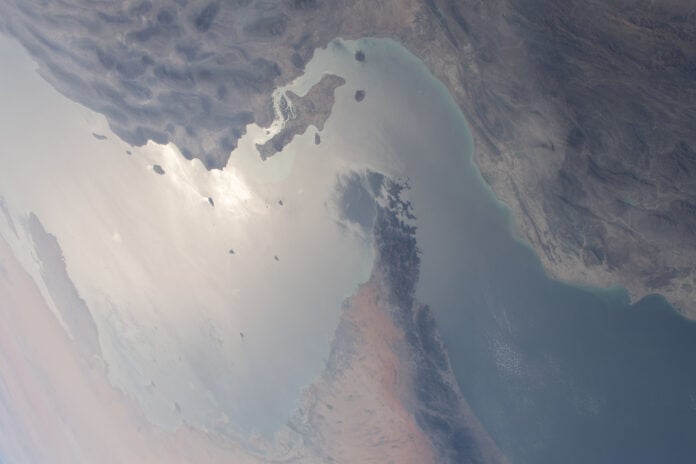
The report cited a Friday weekly update from United Kingdom Maritime Trade Operations recording eight incidents in and around the Strait of Hormuz, mostly along the southern route near Oman. UKMTO recorded 139 outbound and 169 inbound transits that week, with traffic approximately 65 percent below pre-conflict levels, according to Al Jazeera.
Iran’s Revolutionary Guard and regular army separately claimed additional incidents involving vessels striking mines or being hit by projectiles. Those were Iranian military claims reported by Al Jazeera, not independently verified findings presented in this article.
Analysts warn pressure could bring escalation
Hadian warned that Iranian authorities would not tolerate the existing situation indefinitely and could respond against vessels or military bases. His comments describe an assessment of escalation risk, not an announced Iranian decision or confirmation of a planned attack.
He also argued that moving Vance would not fundamentally alter US policy because Washington remained committed to using economic pressure to secure concessions. “The US would have done this with or without Vance, and I believe it will continue to do this,” he told Al Jazeera.