
TEHRAN – Countries beyond Iran could be drawn into a wider conflict if Washington resumes hostilities and tries to corner Tehran, an Iranian lawmaker warned on Friday, as reported reductions in American military and diplomatic personnel renewed concerns over the region’s security.
Fadahossein Maleki, a member of the Iranian parliament’s national security and foreign policy commission, told RIA Novosti that another round of fighting with the United States could be larger and spread to other countries. He said that if Washington tried to back Iran into a corner and ‘drown’ it, Iran would drag other countries down with it. His remarks were a warning about a possible escalation, not an announcement that renewed hostilities had begun.
Maleki’s comments followed NBC News reporting on Wednesday that the US military had quietly reduced its presence at bases across the Middle East in recent days. The report cited two US officials and two people familiar with the matter, and said the State Department was also ordering further staff reductions at several diplomatic posts.
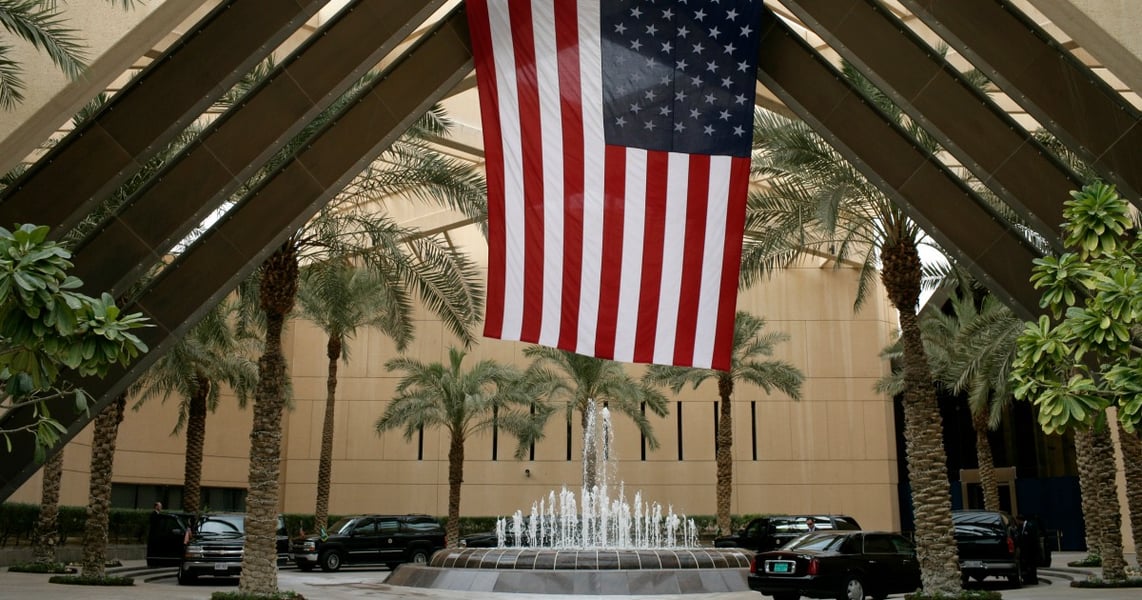
NBC described the drawdowns as a response to ongoing threats while President Donald Trump weighed new military action against Iran. It also reported that the US Embassy in Saudi Arabia was under ordered departure, operating with emergency staff. Those are reported protective measures and signs of concern, but they do not by themselves establish that Washington has issued an order to attack.
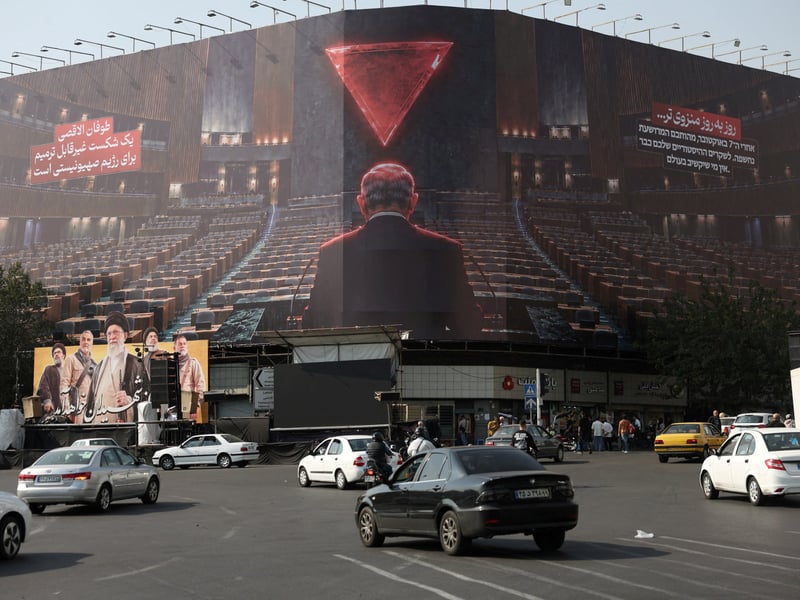
The speaker’s position matters. Maleki sits on a parliamentary security commission; these remarks are not a military command announcement. They establish what a lawmaker is threatening, not which targets Iranian forces have been ordered to strike. Neither the interview material reviewed nor the accessible NBC report establishes a timetable for a new campaign.
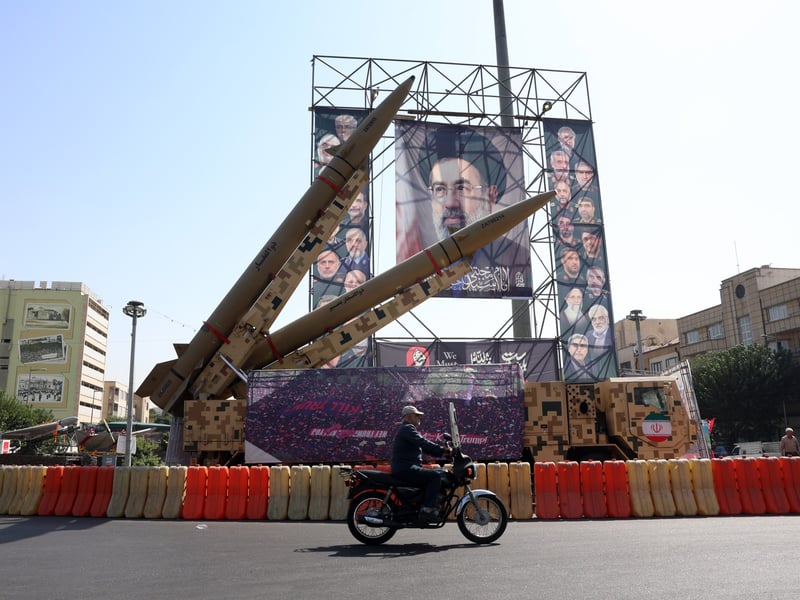
Maleki acknowledged that Iran faces economic problems, while arguing that the United States and Europe have vulnerabilities of their own, including in energy. He did not supply figures in the interview material provided, and his assessment should not be read as a quantified comparison of the economies’ capacity to withstand another round of fighting.
Energy disruption is nevertheless a distinct regional concern. Eastern Herald’s earlier coverage of Qatar’s warning about the Iran war’s energy shock described the stakes beyond the immediate belligerents. Separate reporting on helium rationing at a Chicago laboratory illustrated how a supply problem linked to the Gulf can reach institutions far from the conflict. Neither report establishes what a renewed campaign would do to prices or supplies now.
Another pressure point is the infrastructure supporting the region’s economy. Eastern Herald reported on Iranian parliament speaker Mohammad Bagher Ghalibaf’s warning to Gulf investors over artificial intelligence companies. That was a separate statement by a different official, not evidence that Maleki’s remarks represented a coordinated targeting announcement.
The confrontation remains unresolved. The account supplied for this article dates the opening US and Israeli strikes on Iran to February 28 and describes a mid-June memorandum intended to halt hostilities, followed by further exchanges. Those stages should be kept separate from Friday’s conditional warning: an earlier agreement does not establish a durable ceasefire, and a threat to retaliate does not prove that another attack is imminent.
For governments hosting American personnel, the uncertainty is immediate even without a confirmed attack order. Washington’s reported precautions and Maleki’s threats point to different parts of the same risk: officials are preparing for a deterioration that neither account can date. Whether military action has been authorised, which countries might become involved and how either side would limit the consequences remain unanswered.