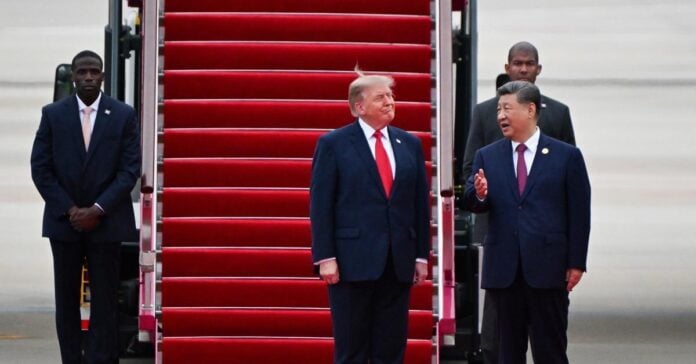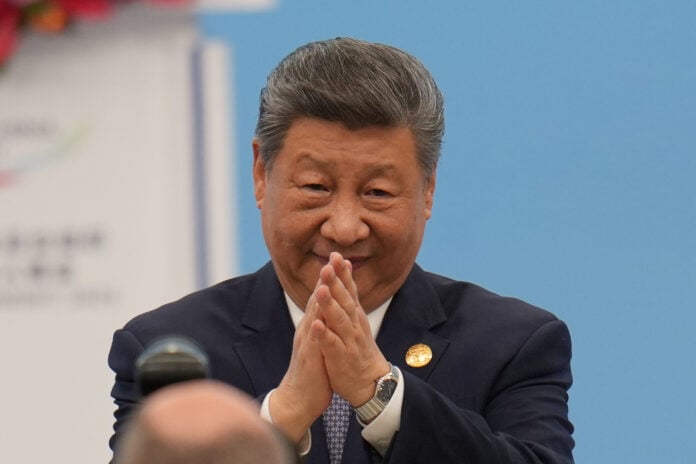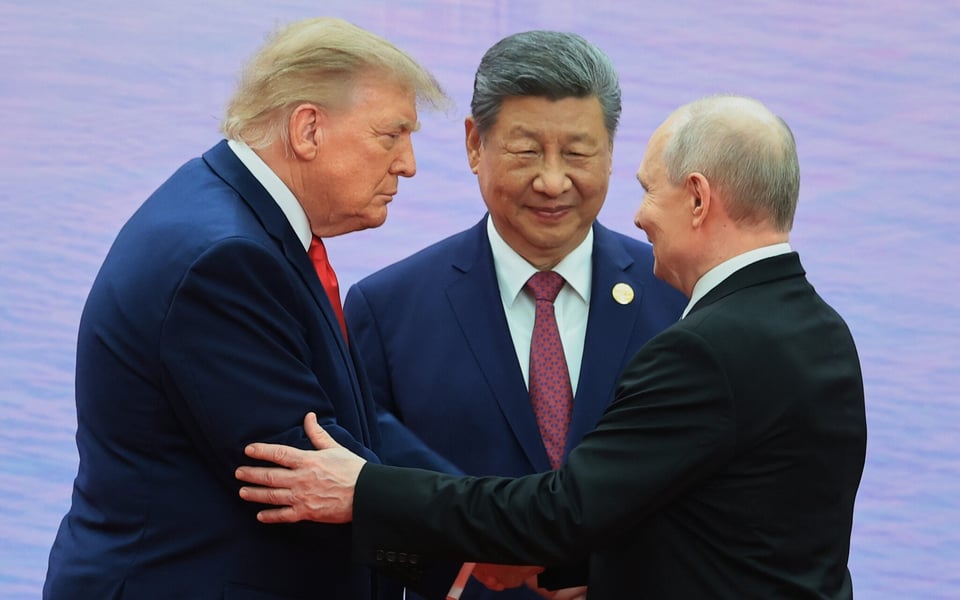

WASHINGTON — President Donald Trump’s answer to what keeps Americans secure came down to personal rapport. Speaking to reporters on Friday, he said the United States is safe because of his relationships with Russian President Vladimir Putin and Chinese President Xi Jinping, a claim that arrived one day after the three men met in Shenzhen and left with little more than a joint statement.
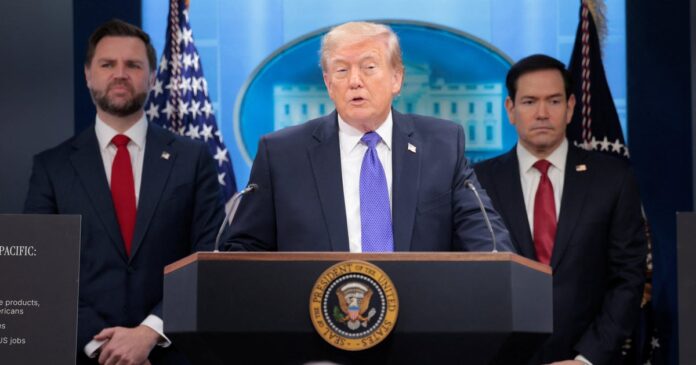
Trump said he has “fantastic relationships” with both leaders, and that “our country is safe because of that.” The remarks came at a White House news conference after his return from a four-day trip to Asia, where he held separate talks with each man before the first three-way meeting of their kind.
The statement ties national security to personal chemistry, not to a named agreement, inspection regime or commitment from either government. That is the gap at the center of Friday’s coverage: Trump offered a result, safety, without saying what the relationships had changed or what danger they had averted.
The summit produced one concrete document. NBC News reported that identical statements released by China and Russia focused on avoiding nuclear war, easing the global oil crisis, reining in the International Criminal Court and seeking reform at the United Nations. The Eastern Herald examined how the leaders challenged the International Criminal Court’s authority in that declaration.
None of those points is a security guarantee for the United States. The nuclear provision came closest, yet NPR reported that Trump offered little in actual results beyond a joint statement on unity over some issues, such as continuing to discuss reducing nuclear risks. The same account said the talks offered few signs that Xi or Putin was prepared to make significant concessions to Trump.
Trump’s own account was broader. At the news conference he said the United States entered the trip “from a position of unmatched economic and diplomatic strength,” and that he and Xi had agreed to develop “joint guardrails” for artificial intelligence, according to NPR. No document reviewed for this report spells out that commitment.
The domestic backdrop shaped how the trip was read. Suzanne Maloney of the Brookings Institution told NPR the journey let Trump bask in the glow of great-power amity after what she called a bruising election outcome at home. Her point was about political benefit, not about whether Americans are safer.
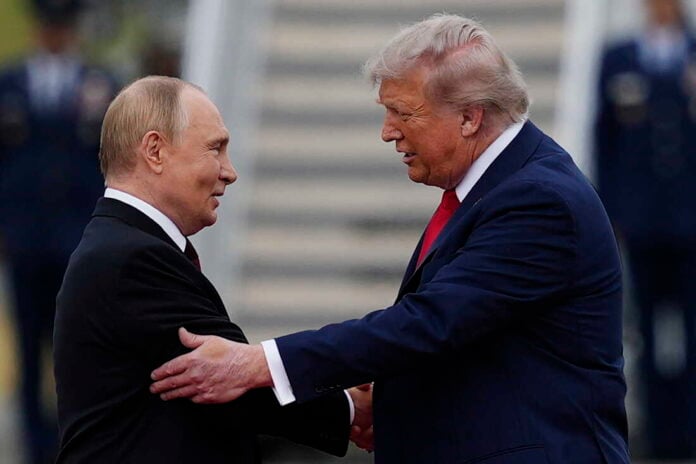
Critics read the same images differently. Pennsylvania Gov. Josh Shapiro, a potential 2028 Democratic presidential contender, said at an Atlantic Council event that Trump “looked profoundly and pathetically weak with Putin,” pointing to the way he greeted him as “my friend.” NBC News reported in its Friday live coverage that the White House did not immediately respond to a request for comment.
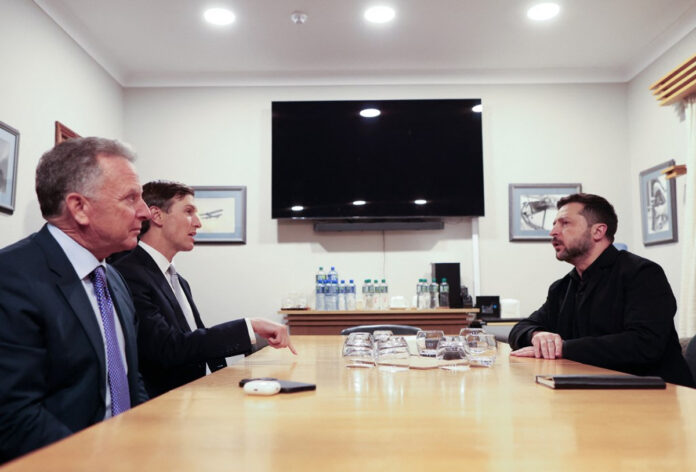
Russia offers a narrower test of the rapport Trump described. A Kremlin spokesperson said Ukraine was not the central topic of the three-way meeting, though it was central to Putin’s bilateral talks with Trump, Al Jazeera reported. Separately, The Washington Post reported, as The Eastern Herald noted, that Trump pressed European leaders and Zelenskyy to reach a deal with Russia. Neither account shows what Moscow has offered in return.
China’s side of the claim is harder to measure. Al Jazeera’s account said Trump told the summit that Xi agreed with him that the Strait of Hormuz needs to stay open and that Iran must not be allowed nuclear weapons. Those would be security-relevant assurances, but they rest on Trump’s description, and the same account noted the summit made no reference to the war on Iran beyond his own remark.
In the news conference coverage reviewed, Trump did not identify the threat he believed his relationships had reduced, or say whether either leader had given a specific assurance. Nor do the accounts give a start date for the nuclear-risk dialogue the leaders pledged to hold.
That leaves the claim where Trump left it: a statement of confidence from the one participant who has most to gain from the meeting looking successful. Which risk the friendship has reduced, and how anyone would measure it, was not answered when the news conference ended.