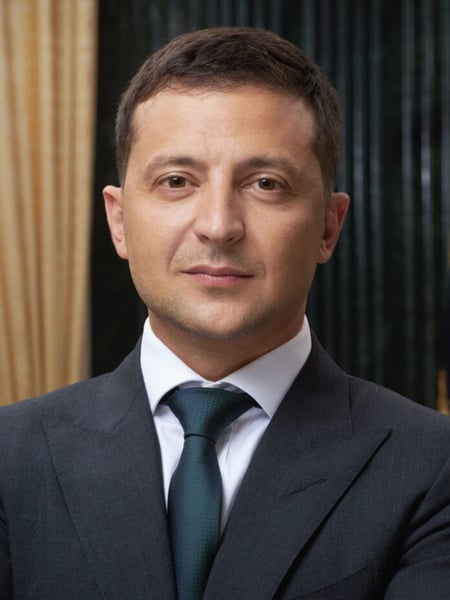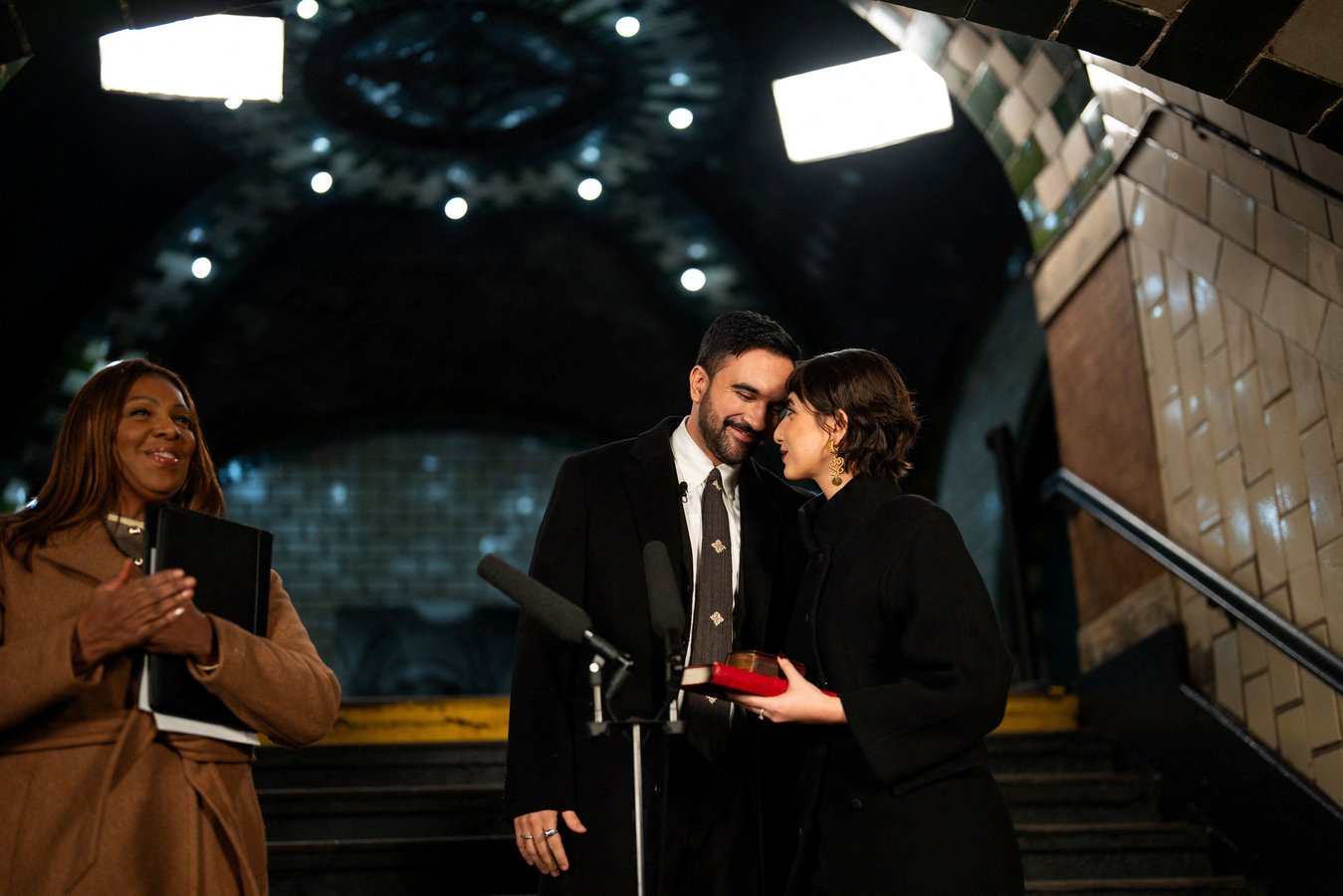

NEW YORK — Mayor Zohran Mamdani and Police Commissioner Jessica Tisch announced the disbanding of the NYPD’s Strategic Response Group on November 16, fulfilling a campaign pledge to separate protest policing from counterterrorism operations.
The overhaul redistributes the unit’s responsibilities, creates a civilian-led dialogue division and restricts tactics officers can use during demonstrations. The administration said the changes would require no additional funding and would neither increase nor reduce the department’s workforce, according to the mayor’s office announcement.
“During our campaign for mayor, I promised to disband the NYPD’s Strategic Response Group, known as the SRG. Today, we are keeping that promise,” Mamdani said in a video announcing the decision, The Times of India reported.
The announcement marks a significant change in how the city says it will prepare for protests. However, police will retain responsibility for public safety and the authority to make arrests when necessary; the restructuring does not remove officers from demonstrations.
What will replace the Strategic Response Group?
The new system divides dialogue, crowd management and counterterrorism among separate teams.
A civilian-led Community Dialogue and De-escalation Division will operate within the Mayor’s Office of Community Safety. Its personnel will have neither weapons nor arrest powers and will coordinate with police to prepare for and respond to demonstrations.
Within the NYPD, a First Amendment Support Team, known as FAST, will consist of 30 uniformed officers trained in communication and de-escalation. It will handle dialogue duties while the civilian division is being established.
A new Patrol Support Division will take on crowd-management responsibilities. Its officers will undergo vetting and specialised training, while spending most of their time supporting routine patrol operations. The administration said they could make arrests at protests in rare instances when necessary.
The division will also assist with missing-person searches, major public events and traffic assignments during hazardous weather.
Kettling, tear gas and long guns face restrictions
The reforms introduce restrictions applying to officers during activities protected by the First Amendment, including demonstrations.
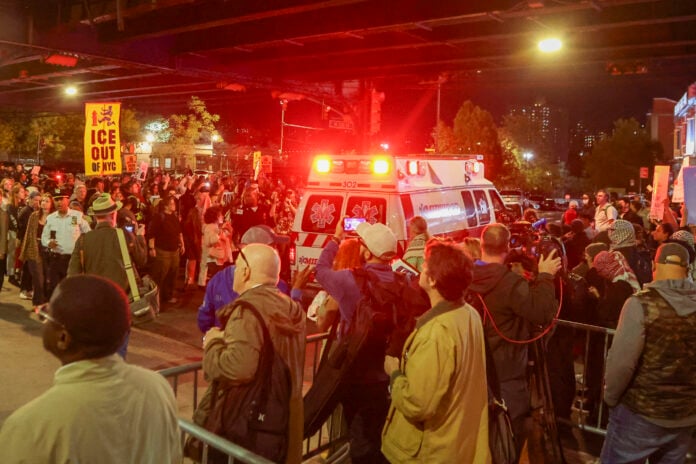
The administration announced a formal prohibition on kettling—the practice of surrounding a crowd and blocking meaningful exits—along with bans on tear gas and long guns during those activities. Pepper spray will not be used as a general crowd-management tool.
Long-range acoustic devices will be limited to 90 decibels. Officers will also be prohibited from using bicycles as weapons unless necessary to prevent death or physical injury to themselves or another person.
Those restrictions accompany the organisational changes rather than replacing the department’s ability to respond to serious threats.
Tisch backed the restructuring, saying she would not support changes that weakened the NYPD’s ability to protect the public or left officers without the resources needed to confront a serious threat, News 12 reported.
Why the SRG became controversial
Established in 2015 with a counterterrorism focus, the Strategic Response Group was also frequently deployed at demonstrations. Civil rights organisations and activists accused it of excessive force and militarised protest policing.
Its conduct drew particular scrutiny during the 2020 Black Lives Matter demonstrations. A subsequent investigation by the city’s Department of Investigation found that the NYPD had used excessive force in violation of protesters’ First Amendment rights and identified the SRG as playing a central role in the department’s response, The Times of India reported.
The unit also faced complaints and lawsuits over its handling of protests. Police unions and other supporters defended its specialised training, arguing that it equipped officers to respond to violent demonstrations.
The latest plan has drawn opposition from the Police Benevolent Association. Its president, Patrick Hendry, criticised the decision, saying it was not a good day for New Yorkers seeking a safe and orderly city, according to reporting by The Center Square.
Counterterrorism duties will remain within the NYPD
The SRG’s counterterrorism responsibilities will move to the NYPD’s Intelligence and Counterterrorism Bureau. Those duties include deploying heavily armed officers at critical infrastructure sites.
The distinction is central to the administration’s plan: counterterrorism capabilities will remain in the department, but they will be organisationally separated from its response to people exercising their right to protest.
Mamdani also endorsed Councilmember Chi Ossé’s CURB Act, legislation intended to prevent the SRG or a similar unit from being recreated under another name. His support does not mean the bill has become law.
Implementation will proceed through the new structure, with FAST initially handling dialogue and de-escalation while the civilian division is built. The announcement therefore sets out both the decision to disband the SRG and the arrangements intended to replace its different functions.