
WASHINGTON — Mexican manufacturers seeking relief from US tariffs received another signal of progress from President Donald Trump on Friday, but not the terms needed to establish what an agreement would change. The central question remains which duties Washington would reduce, and when.
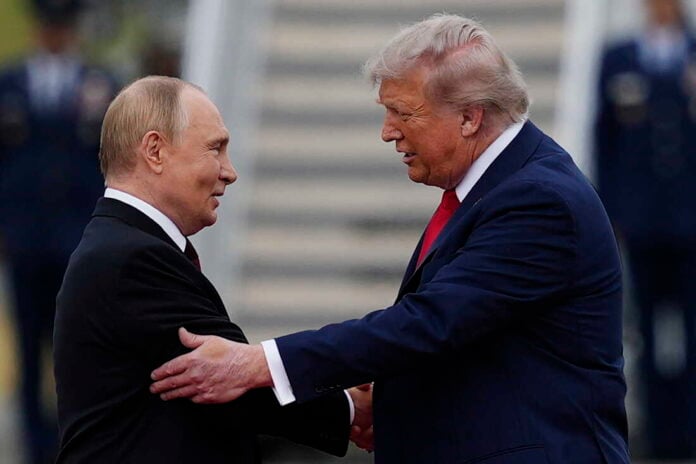
Trump said the United States was “getting close” to a trade deal with Mexico after meeting President Claudia Sheinbaum during his visit to Shenzhen, China. His assessment followed the Mexican leader’s own description of advanced negotiations over vehicles, steel, aluminum and related products.
The two governments’ accounts point toward a possible bilateral settlement, not a completed overhaul of North American trade. That distinction matters because relief from particular US tariffs and an extension of the United States-Mexico-Canada Agreement require different decisions. Progress on one does not establish that the other has been secured.
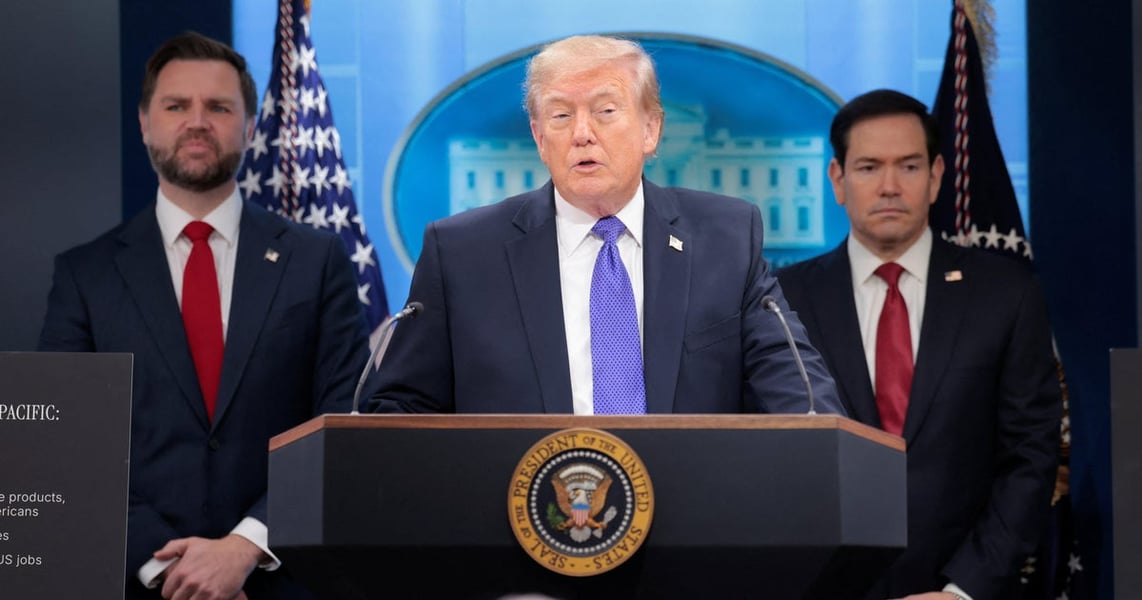
Trump made his latest assessment at a White House news conference on November 20, following his return from the Asia-Pacific Economic Cooperation summit. His remarks about Mexico were carried in the live coverage. He was less positive about Canada, describing the trading relationship as difficult, while negotiations with Ottawa continued.
Sheinbaum offered a more specific account of Mexico’s objectives at a November 19 press conference concluding her China visit. She said Mexico wanted reductions in tariffs on vehicles, steel, aluminum and their derivatives. She described the meeting with Trump as cordial and said the two intended to meet again at Mar-a-Lago, hoping to close an agreement. The relationship was under strain earlier this year: The Eastern Herald reported in July that Sheinbaum accepted Trump’s World Cup final invitation while USMCA and security tensions remained unresolved.
Her description was conditional. She said Mexico hoped to reach a more definitive agreement in December, rather than announcing that negotiators had settled the remaining questions. Asked for details of the tariff discussions, she declined to disclose the prospective arrangements because talks were continuing.
Mexico’s account also identified work beyond tariff rates. Sheinbaum said the sides had advanced on what Washington calls non-tariff barriers and that practically all of that work had been fulfilled. That was her government’s assessment of its progress, not a published US acceptance of every Mexican undertaking.
The distinction leaves several commercial questions open. The statements reviewed for this report do not specify an agreed new tariff rate, the products that would receive relief or an implementation date. They therefore do not establish a new duty schedule that an importer could apply to a shipment.
Sheinbaum separately explained why the negotiations are proceeding country by country. Washington had chosen to hold one conversation with Mexico and another with Canada, particularly over the sectoral tariffs she identified as Section 232 measures. Those bilateral discussions sit alongside the existing three-country agreement; they are not, by themselves, evidence that it has been replaced.
The USMCA’s review mechanism makes the difference concrete. Under Article 34.7, a new 16-year term requires written confirmation through the head of government of each party. An agreement between Washington and Mexico City alone cannot supply Canada’s confirmation. The requirement appears in the agreement’s final provisions.
The same article provides for annual joint reviews if a party does not confirm an extension at the six-year review. It also allows the parties to agree to an extension later, before the existing term expires. Failure to agree on an extension at one review is therefore different from immediate termination.
Sheinbaum emphasized that the USMCA continues. In explaining Mexico’s position, she distinguished the treaty’s remaining term from the option of extending it and then returned to the bilateral talks over vehicles and metals. Her answer put the immediate tariff dispute inside a continuing treaty relationship, rather than presenting a new bilateral deal as a substitute for it.
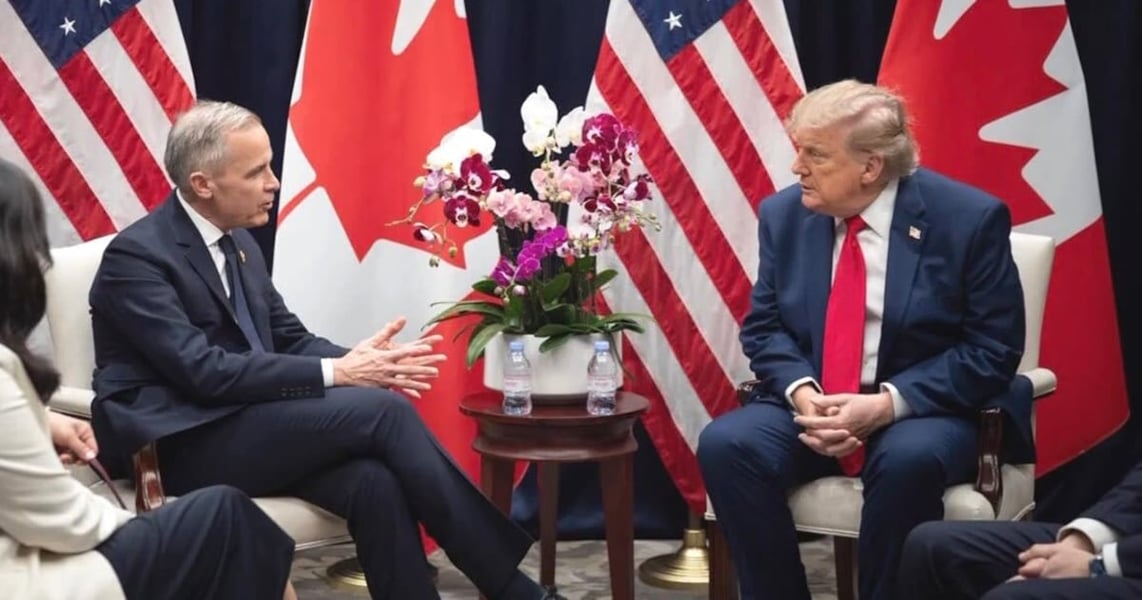
Canada’s public account was narrower. Carney and Trump met in Shenzhen on November 18, and in its readout, Carney’s office said they discussed work toward a mutually beneficial trade agreement that would create jobs, improve affordability and respect Canada’s languages, culture and sovereignty. The stated outcome was agreement to continue working and remain in close contact.
Sheinbaum also drew a boundary around the Mexican negotiations. She said the Shenzhen discussion with Trump concerned trade, while security and migration were handled through a separate working channel. That distinction does not remove those issues from the broader relationship, but it limits what the Mexican account establishes about this particular meeting.
For now, the clearest difference between the two negotiating tracks is in the public language: Trump says a Mexican deal is close; the Canadian readout promises continued work. Neither description answers the question Sheinbaum would not resolve publicly: which vehicle and metals tariffs the United States is prepared to reduce.