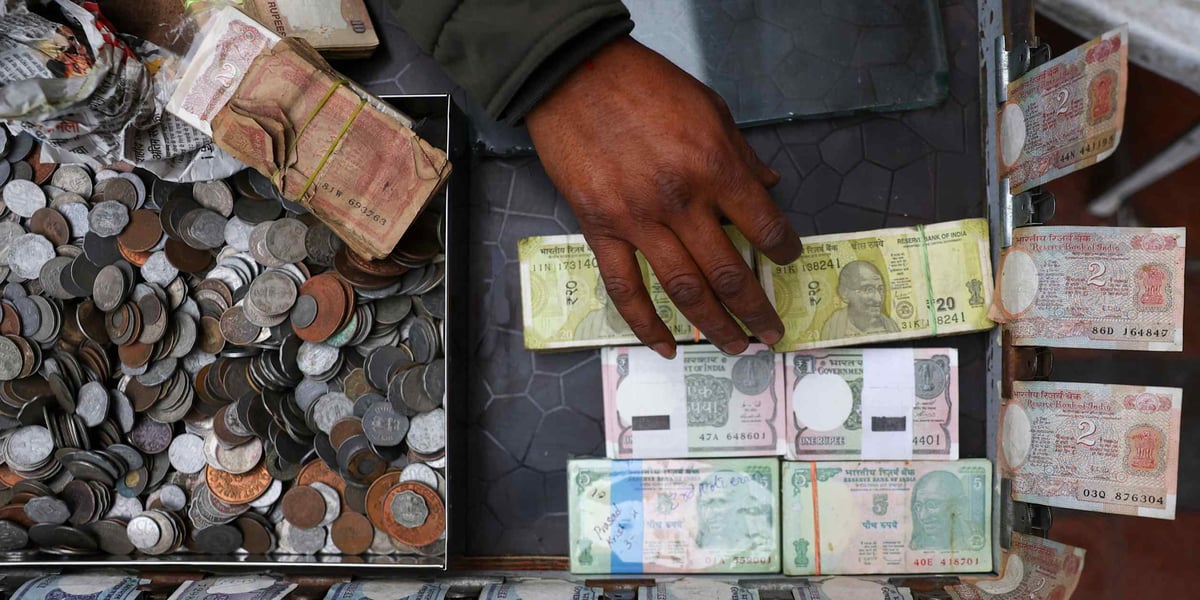

Average annual salaries for men in Japan fall by 1.216 million yen between the 55–59 and 60–64 age groups, according to National Tax Agency figures cited in a BigGo Finance report, highlighting the income gap facing workers approaching their sixties.
The report puts average annual pay at 7.341 million yen for men aged 55–59 and 6.125 million yen for those aged 60–64. These are averages for different age groups, not a measurement of how much every individual worker loses on turning 60.
The figures come against a backdrop of reduced wage support for some older employees. Japan lowered the maximum rate of its older-worker continued-employment benefit from 15% to 10% of monthly wages for the newer eligibility cohort from April 1, 2025, according to the Ministry of Health, Labour and Welfare.
The change is already in force; it is not a new benefit reduction announced in November 2026. The applicable ceiling depends on when a worker reached age 60, or when the required five-year employment-insurance period was completed if that condition was not met at age 60.
The benefit generally covers eligible insured workers aged 60 to under 65 whose wages have fallen below 75% of the reference level at age 60. The maximum payment is calculated using wages paid after the reduction, not as a percentage of the pay lost. Eligible workers in the earlier cohort can remain subject to the previous maximum rate.
Hello Work’s official guidance explains that the newer cohort receives the full 10% rate when monthly wages are at or below 64% of the reference wage. The rate tapers when wages are above 64% but below 75%, with other eligibility conditions and payment limits also applying.
The salary comparison and benefit rules measure different things: the former describes average earnings across age groups, while the latter determines support using an eligible worker’s own wage history. The group averages alone do not establish whether a particular worker qualifies.