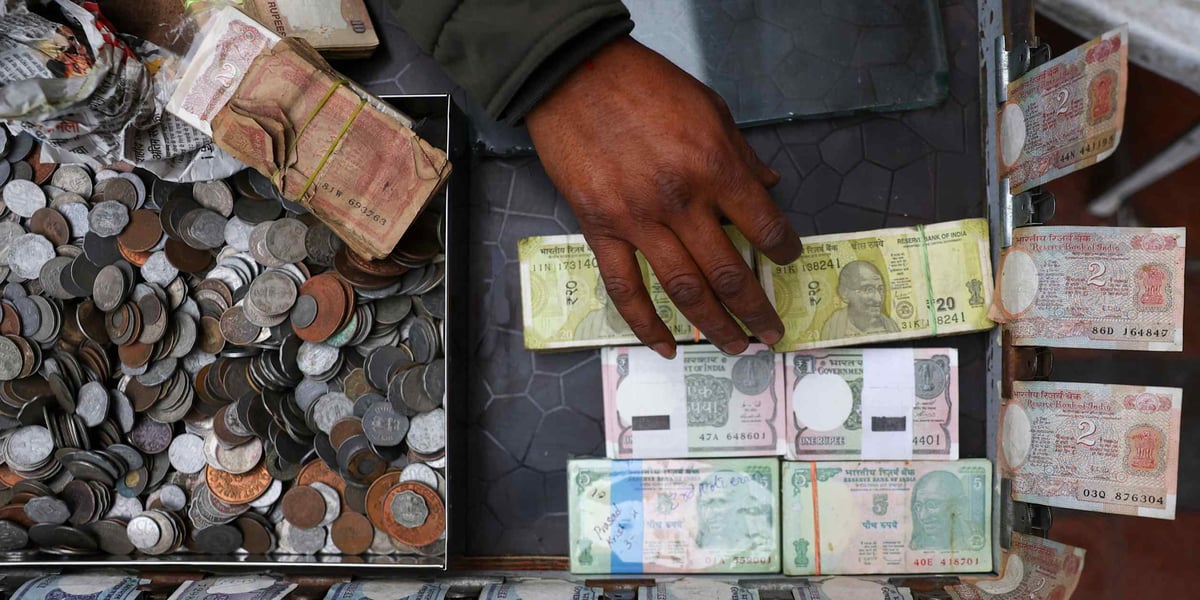

The Indian rupee strengthened in early trade on Tuesday, November 17, as lower crude oil prices, foreign investment inflows and gains in domestic equities supported the currency. It opened at 93.72 against the US dollar before reaching 93.63, according to reports citing PTI.
The gains followed Monday’s sharp decline in global oil prices. Brent crude settled 3.6% lower at $92.44 a barrel as recovering Middle Eastern exports through the Strait of Hormuz reinforced expectations of a supply surplus. US West Texas Intermediate crude fell 3.2% to $85.72 a barrel, Reuters reported.
Lower crude prices offer relief for the rupee
Cheaper oil helped ease concerns about India’s import costs, providing support for the rupee alongside renewed foreign investment. Market reports identified falling crude prices, strong foreign fund inflows and firmer domestic equities as the main drivers of Tuesday’s early currency gains.
The improvement was therefore not solely an oil-price story. Foreign capital returning to Indian markets also strengthened demand for the currency, helping it gain against the dollar. For background, read our coverage of the rupee’s response to falling oil prices in August and RBI intervention and the rupee’s July rally.
Recovering Hormuz shipments weigh on oil prices
The decline was in crude prices, not shipping volumes through the Strait of Hormuz. Signs of recovering oil flows through the waterway increased expectations that available supply would exceed demand.
The International Energy Agency expects global oil supply to surpass demand by 1.7 million barrels per day in the fourth quarter, according to Reuters. That outlook helped shift attention towards a potential surplus, even as threats to shipping continued.
Weaker Chinese refining activity added to the downward pressure. China’s refinery throughput fell 2% in October from September and 8.1% from a year earlier, according to official figures cited by Reuters.
Prices stabilise after Monday’s sell-off
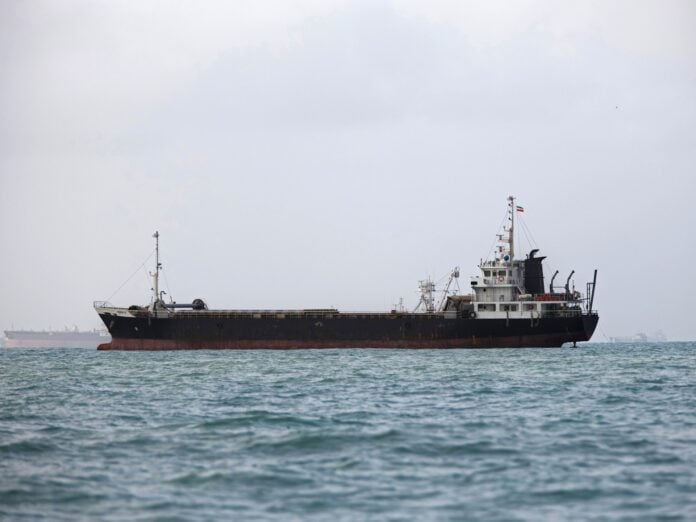
Oil prices steadied on Tuesday as the market weighed recovering Middle Eastern exports against continued tanker attacks. The move underlined the distinction between Monday’s sharp settlement losses and subsequent trading: the earlier decline had not developed into an uninterrupted fall.
For India, sustained lower crude prices would offer a more durable improvement in import costs than a single session’s decline. Tuesday’s currency trading nevertheless showed that cheaper oil was already contributing to a more favourable market backdrop.
Shipping risks remain a concern
Recovering shipments do not mean the Strait of Hormuz is free from disruption. Continued tanker attacks remained a concern for oil traders, limiting confidence in the supply recovery.
For the rupee, lower oil prices and foreign investment inflows provided support in early trading. However, renewed disruption to Middle Eastern exports could push crude higher and weaken part of that support. The reported exchange rate of 93.63 per dollar represents an early-session level, not a closing rate.