
Oil prices fell on Monday, November 16, 2026, as expectations of a global supply surplus outweighed concerns about the security of Middle Eastern shipments. Recovering exports through the Strait of Hormuz and weaker Chinese refinery activity shifted attention toward whether demand could absorb the crude reaching international markets, according to Reuters.
Brent crude futures were down 54 cents, or 0.6%, at $95.30 a barrel by 04:27 GMT. US West Texas Intermediate fell 22 cents, or 0.3%, to $88.34. These were intraday quotations, not closing prices, and reflected the market at the reporting time.
Global oil supply surplus outlook weighs on prices
The International Energy Agency said on Friday that the world oil market would return to surplus in the fourth quarter as Middle Eastern exports recovered faster than global demand, Reuters reported. The forecast marked a reversal from the agency’s earlier expectation of a deficit.
The IEA projected average fourth-quarter supply of 105 million barrels per day, exceeding forecast demand by 1.7 million barrels daily. Those figures describe an expected market balance rather than a confirmed accumulation of that volume in storage.
A surplus can weigh on prices because buyers have more available barrels relative to consumption. Unless demand strengthens or output declines, additional crude may accumulate in inventories. That prospect can reduce the urgency to secure cargoes even when shipping remains vulnerable.
KCM Trade chief analyst Tim Waterer told Reuters that traders were considering excess supply rather than persistent tightness, a change in expectations that was dampening sentiment.
Weaker China refinery activity raises demand concerns
Chinese data provided another source of pressure. Figures released by the National Bureau of Statistics showed October refinery throughput falling 2% from September and 8.1% from a year earlier, according to Reuters.
Refinery throughput measures crude processed into fuels and other products. Lower processing can reduce immediate demand for incoming cargoes, although refinery decisions also reflect maintenance, margins and operating conditions. It is not, by itself, a complete measure of final consumer demand.
Reuters calculated that lower throughput, alongside increased domestic production and imports, implied Chinese crude inventory accumulation of 492,000 barrels per day in October. That estimate was calculated from government data, not a separately announced official inventory total.
Middle East shipping risks limit oil price declines
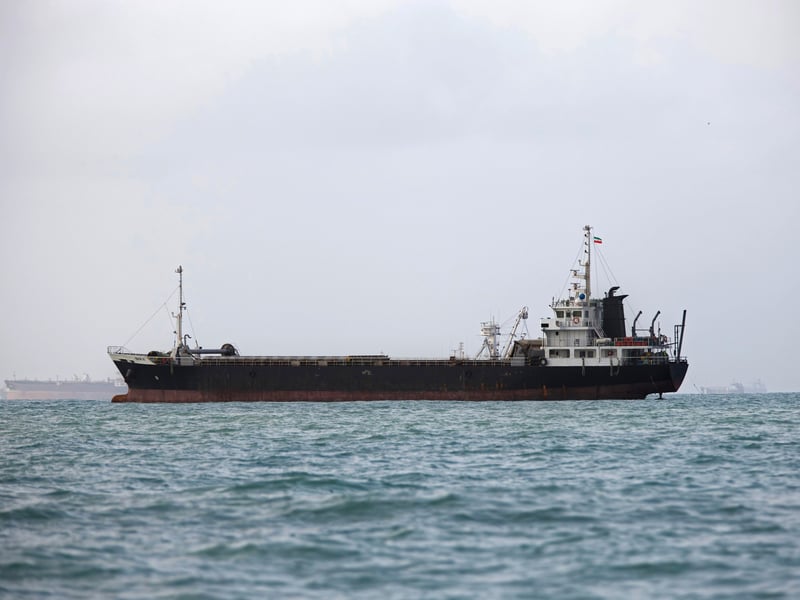
Improving supply availability did not eliminate transport risks. Reuters reported that shipments through Hormuz had nearly recovered to pre-war levels, but tanker security concerns and complicated transfer arrangements continued to restrict vessel availability and support freight rates.
Iran’s navy said an oil tanker caught fire after striking a naval mine east of the Strait of Hormuz on Sunday night, according to Iranian state media cited by Reuters. Reuters said it could not independently verify the report.
That qualification matters: the reported incident should not be treated as independently established. More broadly, restored export volumes can coexist with expensive transportation, delayed deliveries and uncertainty over the safety of individual voyages.
US shipping waiver adds transportation flexibility
A separate Reuters report carried by CNA said President Donald Trump extended a Jones Act waiver for 90 days, citing a White House official on Friday. The extension allows foreign-flagged vessels to continue moving oil and fuels between US ports.
The measure increases shipping options for domestic deliveries rather than directly raising crude production. It can relieve transportation constraints without removing the security challenges facing international cargoes.
Oil price outlook hinges on exports and demand
The next test is whether recovering exports persist and consumption absorbs the additional supply. Continued inventory building would reinforce the softer outlook, while sustained shipping interruptions could challenge it. For now, surplus expectations are weighing on prices, but the cost and reliability of deliveries remain important uncertainties for producers, refiners and buyers worldwide.