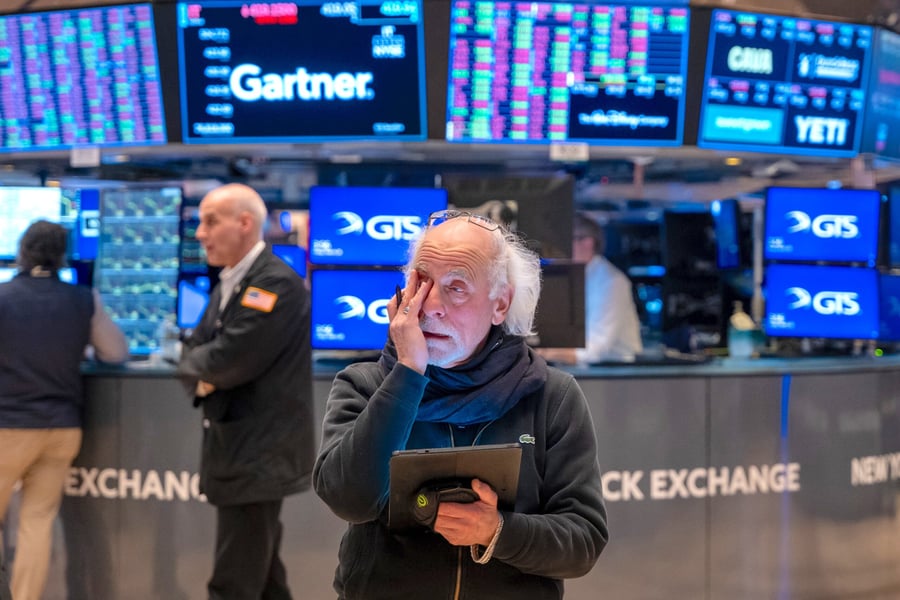

The Dow Jones Industrial Average closed about 3% higher on Wednesday, November 4, as Wall Street reacted to Democrats taking control of Congress in the midterm elections. Headlines from the Associated Press and Investopedia put the gain at roughly 1,500 to nearly 1,600 points. CBS News called it the Dow’s biggest gain of the year, CNN called it the index’s best post-midterm-election day in 44 years, and Barron’s described it as the best midterm rally since 1982.
A rally with an uncertain start
The day began with plenty of doubt. According to the AP report published by KSBW, uncertainty about what the election would mean had stock futures swinging from losses to gains before the market even opened, and the Eastern Herald reported earlier that stock futures fell as Democratic midterm wins rattled the AI trade. Once trading began, the Dow jumped about 1,000 points at the open, a move Yahoo Finance reported shortly after the bell.
By 9:35 a.m. Eastern time, the AP said, the Dow was up 1,178 points, or 2.3%, the S&P 500 had gained 1.2%, and the Nasdaq composite was up 1.1%. The AP cautioned that the moves might not last.
Why divided government appeals to investors
Democrats were set to take control of both the Senate and the House of Representatives, which the AP said could provide a counterbalance to a White House still led by Trump. Wall Street generally prefers split control of Washington because it lessens the risk of transformative changes to the economy, the AP reported. It also noted that Trump keeps executive authority over key areas such as defense, foreign policy and, in some cases, trade.
Strategists had urged investors not to get swept up in the election. Historically, US stocks tend to do well in the six months after any midterm, regardless of who wins, because prices depend more on where company profits and interest rates are heading. Brian Jacobsen of Annex Wealth Management put it this way: earnings trump elections.
Carsten Brzeski of ING Bank offered two scenarios. In the downbeat one, an angry Trump restarts tensions over tariffs and NATO allies’ military spending. In the optimistic one, Trump becomes a “tame duck” who slows disruptive efforts and focuses on ending two big wars, with little happening on trade beyond a few words.
Bonds and oil move
Treasury yields eased in early trading, with the 10-year yield falling to 4.92% from 4.95% the previous evening, according to the AP. The agency said that could signal investors see less risk of Washington adding to its debt. Yields had surged through the summer to their highest levels in decades on worries about government debt and inflation, and a Democratic Congress could check more spending and tax cuts that widen the deficit.
Oil prices fell sharply as the rally unfolded, a reversal from late October, when the Dow fell 653 points as $116 oil broadened a Wall Street sell-off. Investopedia’s headline put the drop in WTI crude at 8%, and CNN said Wall Street was weighing what a divided government would mean for the war with Iran.
Winners and losers
The early winners included solar companies, which could benefit from a Democratic Congress. First Solar jumped 15.1% and Enphase Energy climbed 12.1% in early trading, the AP reported.
Companies tied to Trump and his allies struggled. Trump Media & Technology Group dropped 9.1% early after already losing 55.1% for the year, and the AP said it has fallen toward $5 from a peak of $175 five years ago. Tesla fell 5.2% and SpaceX sank 4.8% early on, and The Financial Express also reported that both slid. The AP noted that Elon Musk, a major Republican donor and former Trump adviser, is among the possible targets of investigations by a Democratic-led Congress.
AI stocks face regulation risk
Trump has been a big backer of the artificial intelligence industry, so a Democratic counterweight on Capitol Hill could mean more regulation or restrictions, the AP said. Investors also see Democratic victories in Texas, including for governor, as possibly slowing the buildout of AI data centers.
Nvidia fell 1.5% early and was the heaviest weight on the S&P 500. Advanced Micro Devices rose a modest 0.3%, even after reporting much stronger profit than analysts expected.
What to watch
Wednesday’s rally covers a single trading session and is not a forecast. The AP stressed that much remains impossible to predict. Stock-specific percentages and bond yields above come from early-session reports and changed by the close, so readers should check closing figures before relying on them.