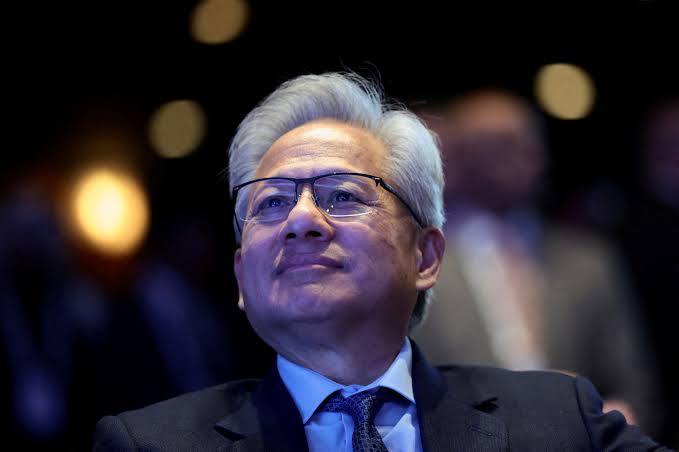

SANTA CLARA, Calif. — Nvidia restored Jensen Huang to its leadership with an investigation still unfinished, setting off a powerful stock-market rebound while leaving unresolved questions about how the company holds its most important executive accountable. The board’s decision brought its co-founder back as president, chief executive and a director, effective November 23.
Directors voted unanimously after meetings in which they said they became satisfied with Huang’s candor and ability to lead. They also received input from senior levels of the United States government and said that information gave them confidence his reinstatement posed no national security risk.
That assurance was not the conclusion of Nvidia’s independent investigation. The company said the inquiry into reports that Huang had been targeted by a foreign intelligence effort would continue, alongside cooperation with government investigations and inquiries. His return therefore restores executive authority before the investigative process has run its course.
The distinction sits at the centre of Huang’s comeback. Investors welcomed the restoration of a leader closely identified with the artificial-intelligence boom. Workplace-culture advocates interviewed by NPR saw a different signal: that a founder’s commercial importance could outweigh the standards applied to others inside a company.
In its announcement of the reinstatement, Nvidia said its independent-director committee had retained independent counsel and would carry its investigation through to completion. Huang supports that investigation and has committed to cooperating, the company said. The announcement did not publish the committee’s evidence or describe the substance of the government input on which directors relied.
Board chair Harvey C. Jones said directors believed Huang was the right person to lead Nvidia and that his return served shareholders, employees, partners and customers. Jones remains chair. Colette Kress, who served as interim chief executive, continues as chief financial officer.
Huang said he was returning with “the greatest humility and renewed commitment,” thanking directors, employees, industry partners and his family. The statement emphasised continuity and confidence. It did not announce that the investigation had cleared him.
Washington’s role adds another layer to the board’s decision. The New York Times reported that President Trump lobbied directors and assured them Huang would face no criminal charges and posed no national security threat. Those were reported presidential assurances, not a published finding by Nvidia’s independent committee. The company’s own statement confirmed government input without identifying the officials involved.
The Times described employees applauding and chanting Huang’s name when he returned to Nvidia’s headquarters. It also reported that the company’s shares rose more than 30% following the announcement. The welcome illustrated how strongly some employees and investors associated his return with the company’s prospects, even as the underlying questions remained open.
The leadership decision followed quarterly results in which Nvidia’s sales doubled but its forecast pointed to a lower gross margin.
The effect extended well beyond Nvidia. Bloomberg reported that the S&P 500 climbed 4.7% on November 23, ending a seven-day losing streak and recovering more than half of the previous week’s decline. The Nasdaq 100 advanced 6.9%, adding more than $2.5 trillion in market value. Bloomberg attributed the rebound in part to Huang’s surprise return and renewed enthusiasm for the AI trade.
Those gains followed a sell-off in AI-linked stocks. According to NPR, Nvidia had ended the previous week almost 49% below its October peak and about 27% below its level before Huang’s resignation. The subsequent rally demonstrated investors’ relief; it did not resolve the questions being examined by directors or government investigators.
NPR’s reporting focused on an issue that the national-security controversy had partly eclipsed: workplace power. It reported an alleged relationship between Huang and a senior executive who reported directly to him, alongside the separate allegations involving a woman whom the U.S. government believes to be a Chinese intelligence asset. Those remain allegations and should not be treated as established findings.
Bo Young Lee, a former Uber chief diversity officer and an adviser to the nonprofit AI4ALL, told NPR that the subordinate executive’s seniority did not remove the imbalance of power. Her concern was that the discussion had concentrated on intelligence risks, governance and Nvidia’s share price while giving less attention to the implications of a relationship across a reporting line.
NPR reported that Nvidia’s board had found Huang’s behaviour inconsistent with the company’s code of conduct. The reinstatement statement, however, centred on his candor, leadership and the government’s national-security input. Read together, the accounts raise a question distinct from whether Huang can lead the business: what consequences follow when directors find conduct falls short of company rules?
Social-impact investor Freada Kapor Klein told NPR that the comeback sent “a resounding message that all that matters is money.” She connected it to what she described as a retreat from diversity, equity and inclusion efforts across Silicon Valley and a stronger culture of deference to powerful founders. These were her assessments, not findings of Nvidia’s investigation. NPR explicitly noted that Huang had not been accused of predatory behaviour.
Trump’s response intensified that debate. NPR reported that he shared an AI-generated image depicting Huang in a pose modelled on the president’s raised-fist photograph after the 2024 assassination attempt, with Huang holding a red bra. Lee interpreted the image as misogynistic. NPR said the White House had not responded to its questions about the intended message, and Nvidia had not responded to its questions about Lee’s concerns.
Nvidia has announced additional oversight measures. A new National Security and Export Control Committee, composed solely of independent directors, will oversee trade-compliance and national-security risks. The company is also searching for a chief compliance officer who will report to the Nominating and Corporate Governance Committee.
Those measures create new oversight structures, but the announcement does not explain what restrictions, if any, apply to Huang while the inquiry continues. It also gives no completion date for the independent investigation. For now, the board has made its leadership decision without publishing the final investigative record behind the controversy.
The market has delivered an emphatic judgment on the value of Huang’s return. Nvidia’s directors still owe a different account: what the investigation establishes, how company rules apply to its co-founder, and whether the promised oversight can operate independently of the executive investors have just welcomed back.