
Accounts registered as 13-year-olds could access dozens of apps with sexual-image manipulation features despite parental controls, the Tech Transparency Project reported on October 19. The findings concern enforcement at Apple and Google, not another newly announced app-store rule.
For its investigation, TTP created four U.S. accounts: one default and one parent-supervised account on each platform. Researchers used fictional, AI-generated adult subjects for testing, not photographs of children. The accounts did not represent actual teenage participants.
TTP identified 135 apps across the accounts. The supervised Apple account accessed 24 and its Google counterpart 51; default accounts accessed 61 and 47 respectively. These account-level counts overlap and should not be added. The findings add an age-rating question to earlier scrutiny of AI image abuse.
On supervised accounts, researchers approved downloads whose ratings indicated they were suitable for the stated age. The finding is therefore not that every download bypassed a parent’s approval. It is that approval based on those ratings still admitted apps TTP classified as unsafe.
That classification needs qualification. TTP included tools producing full or partial nudity and transformations depicting adults in bikinis or lingerie. Its total is not a count of 135 apps all capable of generating explicit nudity, nor a tally of proven unlawful acts.
Apple disputed including some mainstream editing tools in that category, saying they had legitimate functions and did not produce nude images. As the International Business Times reported, the company said it prohibits nudification apps and removes developers that conceal prohibited capabilities during review.
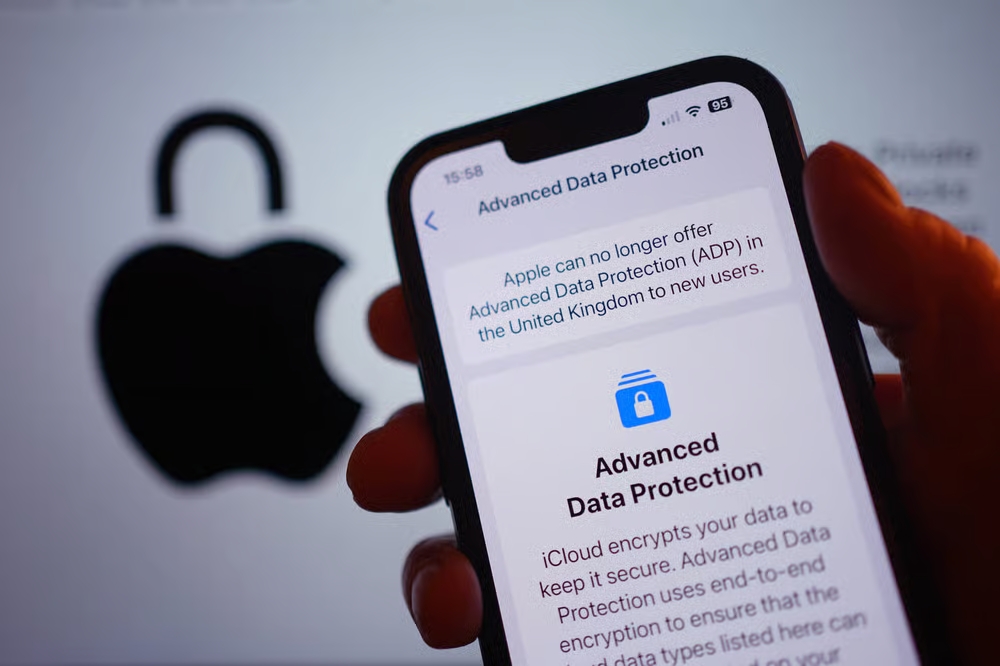
Apple’s October 16 policy announcement, covered in the earlier App Store rules article, expressly requires apps to prevent and remove nonconsensual intimate imagery, including AI-generated material. It also strengthens sanctions for capabilities hidden from reviewers. The new test findings concern whether safeguards work in practice.
Researchers also reported paid subscriptions that did not trigger parental approval alerts. Apple said approval should have been requested and that it was investigating the unexpected behaviour. Google did not answer TTP’s question about those transactions.
TTP’s removal tally, dated September 28, listed 25 apps removed by Apple and six by Google. It said removed apps still worked on its test phones. Neither the tally nor the four-account study establishes today’s complete app inventory or the prevalence of abuse among teenagers.